Diarrhea After a Food Change in Dogs and Cats: How to Transition Safely
This is one of the most common and most preventable causes of digestive upset in pets, and it comes down almost entirely to speed. A dog or cat's gut microbiome adjusts to whatever food they've been regularly eating, and abruptly switching to a new food — even a high-quality one — doesn't give that microbiome time to adapt, resulting in diarrhea, gas, or vomiting for several days.
This applies whether the switch is intentional (moving to a new brand, a prescription diet, or a different life-stage formula) or unintentional (running out of the usual food and grabbing something different, or a treat-heavy holiday throwing off the usual routine). The reaction is generally the same regardless of why the switch happened.
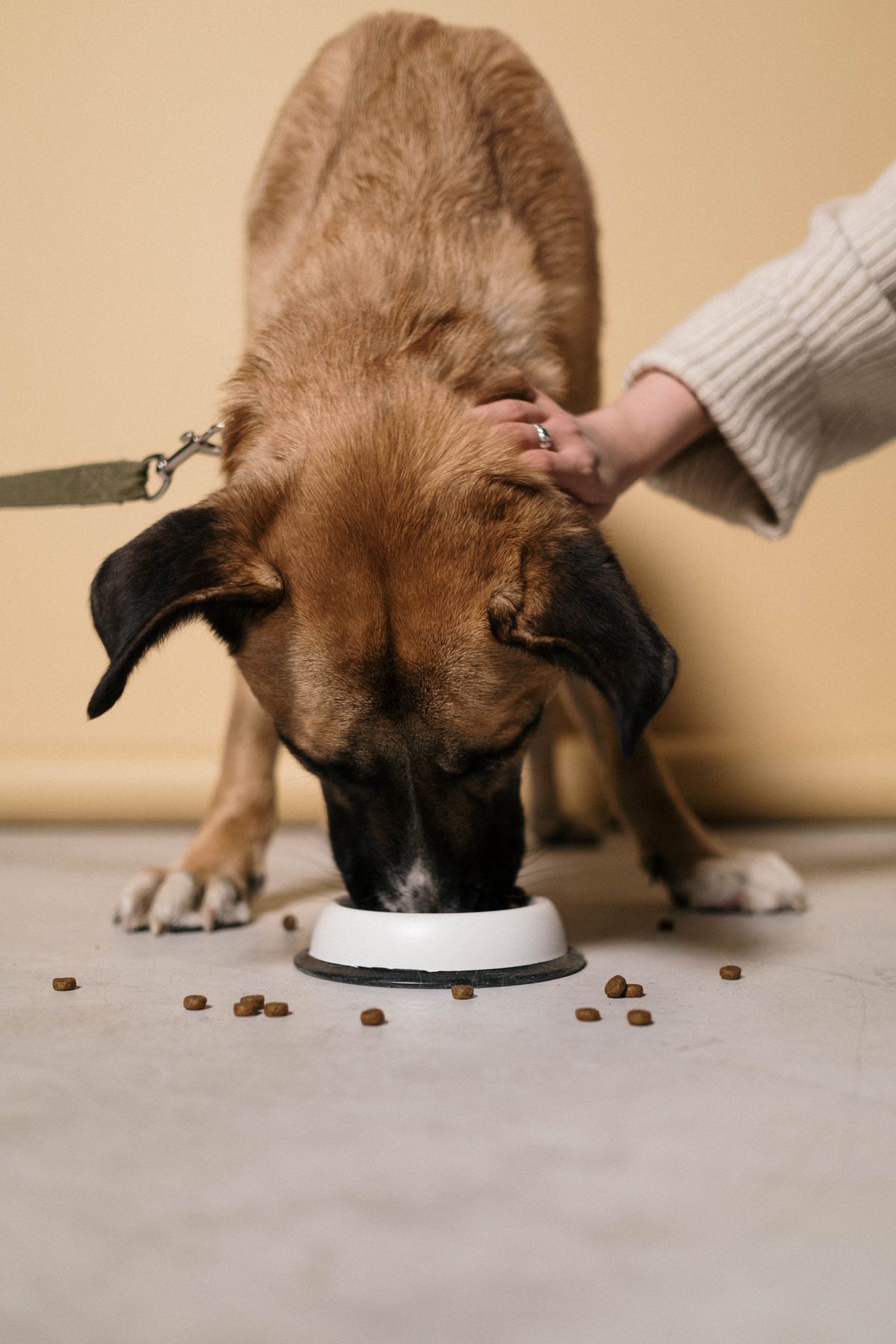
The standard recommendation is a gradual transition over 7-10 days: starting with a small proportion of new food mixed into the old, gradually increasing the new food's share each day or two until it's a full switch. Skipping this step is the single most common reason a food change results in stomach upset.
What to do: If diarrhea started shortly after a food switch, going back to the previous food and reintroducing the new one gradually is usually the fix, along with a bland diet in the meantime to let things settle. If diarrhea continues despite reverting to the old food, or if it's accompanied by other symptoms, the food change may not be the actual cause and is worth investigating further with a vet.
For guidance on what a bland diet actually looks like during this kind of digestive reset, here's a full breakdown.
Still have questions?
Don't rely on Google if your pet is showing symptoms. Get a professional opinion in minutes.
Talk to a Vet Now