Dog Seizures: Causes, What to Do During One & When to Call a Vet
Prepared by the Waggle editorial team. This article is educational, not a diagnosis or an individual veterinary review.

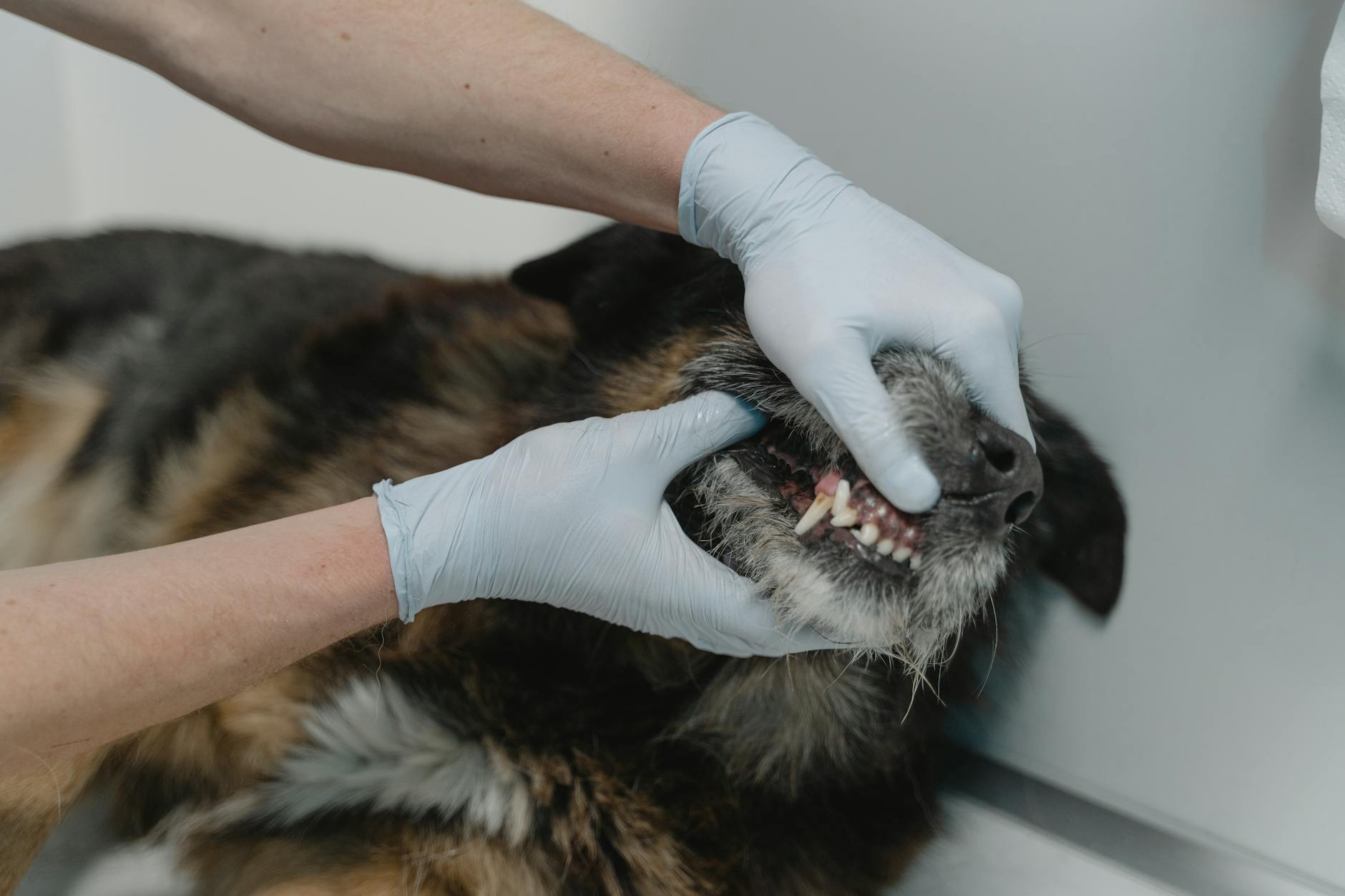
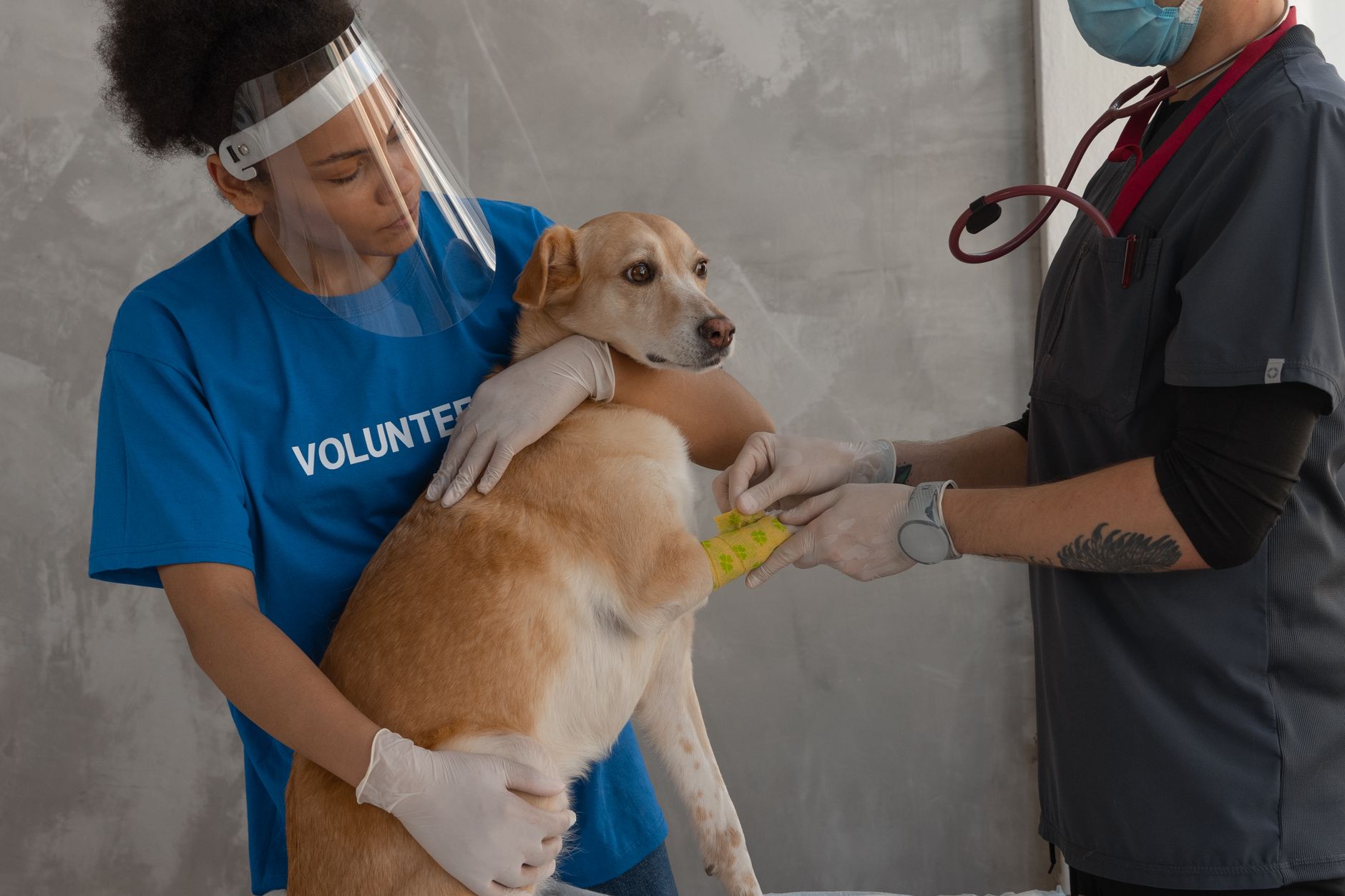
Photo by Tima Miroshnichenko on Pexels. Illustrative photo; not a patient or clinical diagnosis.
Watching your dog have a seizure is frightening. The good news is that most seizures stop on their own within a few minutes, and your calm response helps. This guide is general information and not a diagnosis.
What a seizure looks like
- Collapsing or falling to one side
- Paddling or stiffening legs
- Drooling, jaw chomping or foaming
- Loss of bladder or bowel control
- Unresponsiveness
- Some seizures are subtle, such as staring, twitching or odd behavior
What to do during a seizure
- Stay calm and note the time. Duration matters.
- Clear the area of furniture and keep your dog away from stairs and water.
- Keep your hands away from your dog's mouth. Dogs do not swallow their tongues, and you could be bitten.
- Dim the lights and lower the noise.
- Record a video if you can do so safely.
- Stay close and speak softly.
When it's an emergency
Go to an emergency clinic right away if:
- The seizure lasts more than five minutes
- Your dog has more than one seizure in 24 hours, or they come back to back
- It is your dog's first seizure
- Your dog does not return to normal afterward
- You think your dog was exposed to a toxin, or hit their head
After the seizure
Dogs may be confused, wobbly, restless, very thirsty, hungry or temporarily blind. Keep them calm and safe, and offer water once alert. Contact your vet even if the seizure is over.
Possible causes
- Idiopathic epilepsy, which often begins between about six months and six years of age
- Toxins, including certain foods, plants, medications and chemicals
- Low blood sugar
- Liver or kidney disease
- Head injury
- Brain tumors or infections
- Heatstroke
Only a vet can find the cause, which may involve bloodwork and imaging.
What to tell your vet
How long it lasted, what it looked like, what happened before and after, any toxins or medications your dog could have been exposed to, and any past episodes. A video is very helpful.
Treatment
Treatment depends on the cause. Dogs with epilepsy may be prescribed daily anti-seizure medication, and a vet will decide on a plan.
If your dog has had a seizure and you are not sure what to do next, you can chat with a licensed vet on Waggle Vet. For urgent in-person care, find a vet near me.
FAQs
Can a dog die from a seizure?
Long or repeated seizures can be dangerous, so treat them as an emergency.
Should I give my dog food or water during a seizure?
No. Wait until they are fully alert.
Do seizures hurt dogs?
Dogs are usually unaware during a seizure, but they may be confused afterward.
Check current Waggle Vet access and eligibility terms. Talk to a vet now.
Related reading
- Dog Ear Infection: Symptoms, Causes & When to Call a Vet
- Dog Diarrhea: Causes, Home Remedies & When It's an Emergency
- Why Is My Cat Coughing? Hairballs vs. Illness & When to Worry
Waggle resources
Find nearby veterinary clinics; call to confirm availability
Still have questions?
For non-emergency questions, explore Waggle Vet. Trouble breathing, collapse, suspected poisoning or other severe signs need immediate in-person emergency care—do not wait for an online chat.
Explore Waggle Vet