Heatstroke First Aid for Dogs and Cats
Prepared by the Waggle editorial team. This article is educational, not a diagnosis or an individual veterinary review.

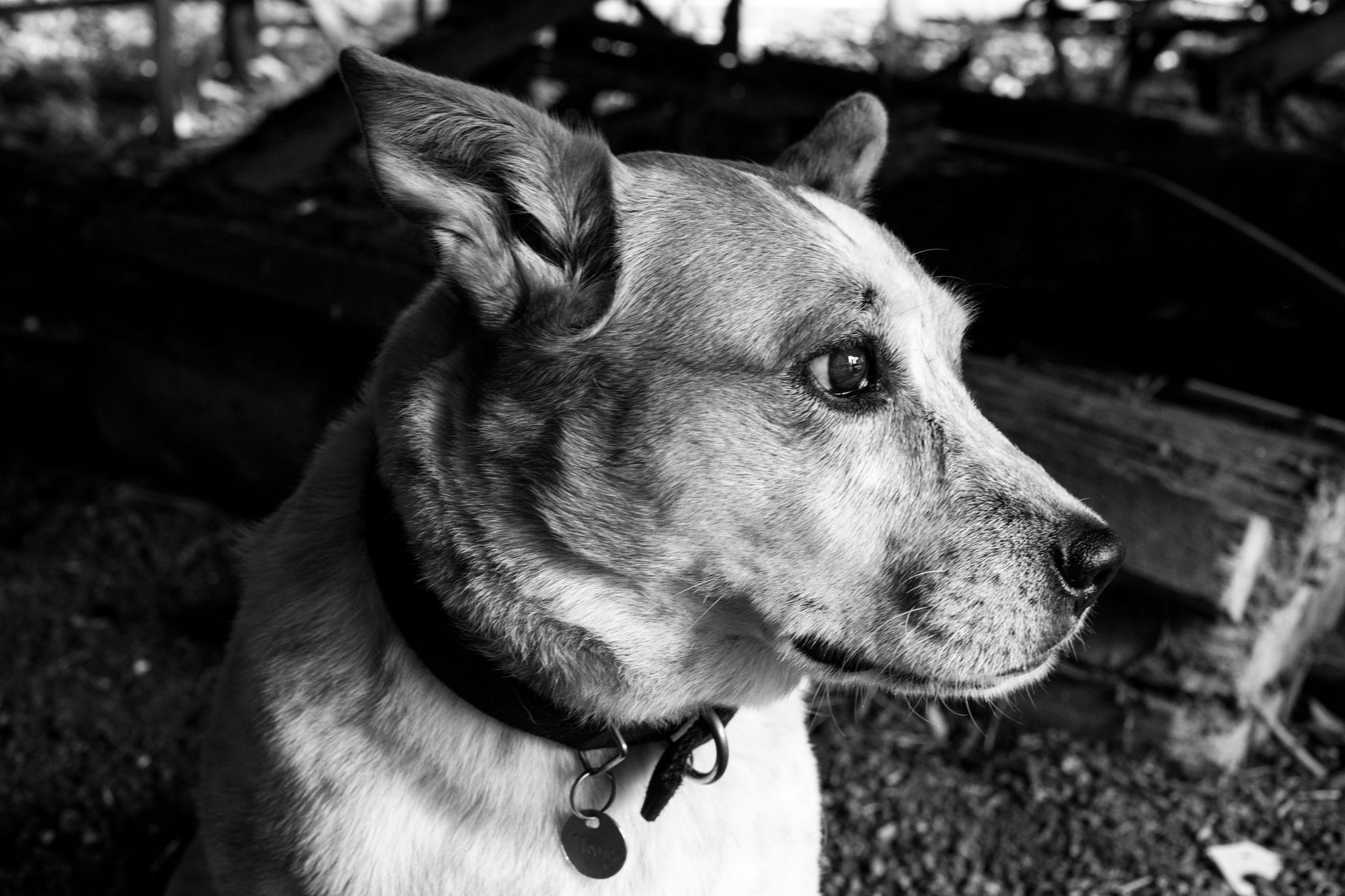
Photo by Michał Robak on Pexels. Illustrative photo; not a patient or clinical diagnosis.
Heatstroke is a medical emergency. Pets can't cool themselves as well as people, and body temperature can climb to dangerous levels quickly. First aid helps, but your pet still needs a vet.
If your pet has trouble breathing, collapses, cannot urinate, has an ongoing/repeated seizure or may have swallowed poison, call an emergency veterinary clinic immediately. Do not wait for an online consultation or for paperwork.
Signs of heatstroke
- Heavy, frantic panting or noisy breathing
- Thick drool and bright red or pale gums
- Vomiting or diarrhea
- Weakness, stumbling or collapse
- Seizures or unresponsiveness
Flat-faced breeds, puppies, seniors, overweight pets and those with heart or breathing conditions are at higher risk.
What to do right away
- Move to shade or air conditioning immediately.
- Begin cooling promptly. Wet the body with water cooler than the pet and provide airflow. Do not delay cooling because you lack a particular water temperature.
- Use a fan to help the water evaporate.
- Offer small sips of cool water if your pet is alert. Don't force it.
- Do not wrap the pet in wet towels or press ice packs against the body.
- Go to a vet immediately. Keep cooling during transport with air conditioning on.
Begin cooling immediately and arrange urgent veterinary assessment. Offer small sips only if fully alert; never force water. Do not delay care to take a rectal temperature.
Why you still need a vet
Heatstroke can damage organs even after your pet seems to recover. Treatment may involve fluids, monitoring and bloodwork. Find a vet near me now, and call ahead.
Prevention
Never leave pets in a parked car. Walk during cooler hours, provide shade and water, and watch breeds at higher risk. See our summer safety guide for more tips.
FAQs
Is panting always heatstroke?
No, but heavy panting with drooling, weakness or vomiting is a warning sign.
What if my pet seems fine after cooling?
Still get a vet check. Afterward, chat with a licensed vet on Waggle Vet for recovery questions, and store records in your pet health vault.
Related reading
- My Pet Ate Something Toxic: A Step-by-Step Action Plan
- Recognizing Bloat in Dogs: Minutes Matter
- What Belongs in Your Pet's Complete Health File
Waggle resources
Find nearby US veterinary clinics
Store pet documents with Waggle Vault
Sources and further guidance
- Merck Veterinary Manual: veterinary-reviewed pet owner resources
- Royal Veterinary College: heatstroke in dogs and cats
Sources checked October 13, 2026. These references inform the guidance; they do not mean the authors medically reviewed or endorsed this article.
Still have questions?
For non-emergency questions, explore Waggle Vet. Trouble breathing, collapse, suspected poisoning or other severe signs need immediate in-person emergency care—do not wait for an online chat.
Explore Waggle Vet