Why Is My Dog Lethargic? Causes and When to Worry
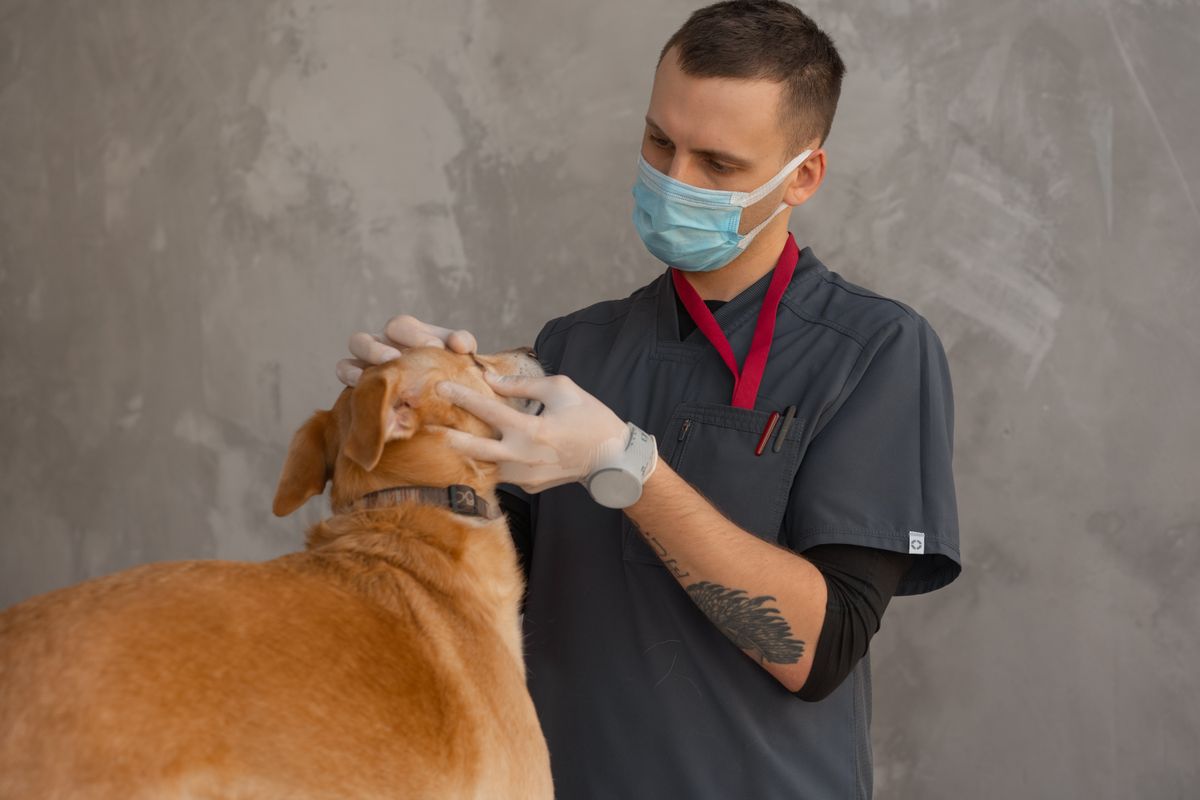
Lethargy is one of the most common signs a dog isn't feeling well. If you notice a dog lethargic state in your pet, it’s a signal to monitor closely for illness, pain, dehydration, or other changes that may need veterinary attention. Energy is a key indicator of how well your dog is coping, and even subtle shifts can point to something worth checking out.
What does dog lethargy look like? and dog lethargic
Lethargy can show up in several ways, from subtle to dramatic. Understanding the signs helps you determine when to reach out to your veterinarian.
- Sleeping more than usual or refusing to wake for meals
- Reduced interest in activities your dog normally enjoys
- Slow response to commands or visitors, and less curiosity
- Limited movement, reluctance to walk, or stiffness
- Decreased appetite or drinking less water
- Cool, pale, or dry gums; sunken eyes or dry mouth
- Soft stool or vomiting, or signs of abdominal discomfort
- Hidden behavior like retreating to a quiet corner or guarding a painful area
If your dog has any accompanying fever, trouble breathing, collapse, seizures, severe vomiting, or signs of severe pain, seek urgent veterinary care immediately. For context, persistent lethargy can also be a sign of conditions discussed in our other articles, such as dog allergies symptoms or dog nutrition concerns, so observing the whole picture matters.
Common causes of dog lethargy
Lethargy is a non-specific symptom, meaning many different things could be behind it. Here are common categories veterinarians evaluate:
- Illness or infection
- - Viral, bacterial, or parasitic infections
- - Fever and systemic illness
- Pain or injury
- - Arthritis, back pain, soft tissue injuries, or dental pain
- Dehydration or electrolyte imbalance
- - Inadequate water intake or vomiting/diarrhea
- Digestive upset
- - Gastroenteritis, pancreatitis, or food intolerance
- Endocrine and metabolic disorders
- - Diabetes, hypothyroidism, Addison’s disease
- Kidney or liver disease
- - Toxins, toxins exposure, or organ dysfunction
- Heart or lung conditions
- - Congestive heart failure, pneumonia, or other respiratory issues
- Toxins and poisoning
- - Household cleaners, plants, medications, chocolate, xylitol, rodenticides
- Age-related changes
- - Senior dogs may naturally have lower energy, especially with chronic disease
- Environmental stress or heat exhaustion
- - Prolonged heat, high humidity, or sudden changes in routine
If you see any combination of lethargy with a new cough, vomiting, diarrhea, abdominal tenderness, or signs of pain, contact your vet promptly. You can also use this moment to review topics like dog allergies symptoms or dog nutrition to see if recent changes could be influencing energy levels.
What to do if you notice lethargy
Taking a calm, structured approach helps you determine if home care is appropriate or if professional care is needed.
- Observe and document
- - Note how long the energy drop lasts, when it began, and any accompanying signs
- - Track appetite, water intake, stool, vomiting, or diarrhea
- Check basics at home
- - Offer fresh water and a small, bland meal if not vomiting
- - Check hydration by gently lifting the skin at the back of the neck; it should snap back quickly
- - Look at gums for color and moisture; pale or dry gums can be a red flag
- Reduce stress and keep your routine
- - Maintain a familiar environment and avoid strenuous exercise until you know more
- Contact your veterinarian
- - If lethargy persists beyond 24 hours, or if any red flags appear, schedule a check-up
- - Bring a diary of symptoms, recent foods, medications, and exposure to potential toxins
- Emergency signs that require immediate care
- - Collapse, severe weakness, seizures, trouble breathing, persistent vomiting or inability to keep fluids down
- - Severe abdominal pain, signs of heat stroke, or pale gums
If you’re unsure, reach out to your veterinarian for guidance. In the meantime, consider resources about related concerns such as dog kennels cough or dog nutrition to rule out other contributors to low energy.
When to seek urgent veterinary care
Urgent care is warranted if your dog shows any of the following in addition to lethargy:
- Sudden collapse or inability to stand
- Seizures or signs of severe pain
- Rapid or labored breathing, blue-tinged gums
- Signs of dehydration that do not improve with water intake
- Bloody or black stools, persistent vomiting, or refusal to drink for 24 hours
- Lethargy in a very young puppy or an elderly dog with known chronic illness
These signs call for prompt evaluation, as some conditions—such as toxin ingestion or organ failure—progress quickly. If you’re unsure, it’s better to err on the side of caution and contact your vet or an after-hours clinic.
Maintaining energy and preventing lethargy
A proactive approach helps reduce the risk of persistent lethargy and supports overall health.
- Regular veterinary checkups and preventive care
- - Vaccinations, parasite control, dental care, and weight management
- Balanced nutrition and fresh water
- - Age-appropriate, veterinarian-recommended diets; avoid overfeeding
- Consistent exercise and mental stimulation
- - Daily walks, play, and enrichment activities tailored to energy level
- Monitor medications and toxins
- - Keep medications out of reach and be mindful of household hazards
- Hydration and environmental comfort
- - Access to clean water, shade, and a cool resting place during hot weather
- Early recognition of changes
- - Track signs over time; see our article on dog allergies symptoms if you notice skin or itchiness that could affect energy
Conclusion Persistent or unexplained lethargy in a dog is a signal worth listening to, not ignoring. By observing the full range of symptoms, maintaining good hydration and nutrition, and seeking veterinary guidance when needed, you can help your canine companion regain energy and vitality. If the state lasts or worsens, trust your veterinarian to determine whether urgent testing or treatment is required. For comprehensive guidance, you can also explore related topics such as dog nutrition or dog allergies symptoms to support a well-rounded approach to your dog’s health. Remember: a thoughtful, proactive plan keeps your furry friend happy, active, and well cared for when a temporary lull in energy occurs. If you are ever unsure whether your pet's symptoms require immediate attention, understanding dog lethargic basics can help you make faster, more confident decisions.
A dog lethargic beyond normal tiredness is always worth investigating, especially when the change is sudden or accompanied by other symptoms. Prompt veterinary attention rules out serious causes and gives your dog the best chance at a fast recovery. ## Frequently Asked Questions
What does it mean if my dog is lethargic after a vaccination?
Some dogs feel a bit tired for 24–48 hours after vaccines. If lethargy lasts longer than that or is accompanied by fever, vomiting, or signs of distress, contact your vet.
How can I tell if dehydration is the cause of lethargy?
Gently pinch the skin at the back of the neck; if it returns slowly, or the gums feel dry, dehydration could be involved. Offer fresh water and contact your vet if symptoms persist.
Is lethargy always a sign of a serious problem?
Not always. Mild fatigue can occur with heat, stress, or temporary GI upset. However, persistent or worsening lethargy warrants veterinary assessment to rule out conditions such as infection, organ disease, or toxin exposure.
When should I bring my dog to the ER for lethargy?
Go to the emergency clinic if your dog shows collapse, seizure, severe difficulty breathing, persistent vomiting or diarrhea, pale gums, or if energy loss is severe and sudden.
Can diet or treats cause lethargy?
Yes. Sudden dietary changes, spoiled food, or treats with high fat or unfamiliar ingredients can upset digestion and energy. If lethargy coincides with a dietary change, discuss it with your vet and consider a gradual transition.
Still have questions?
Don't rely on Google if your pet is showing symptoms. Get a professional opinion in minutes.
Talk to a Vet Now