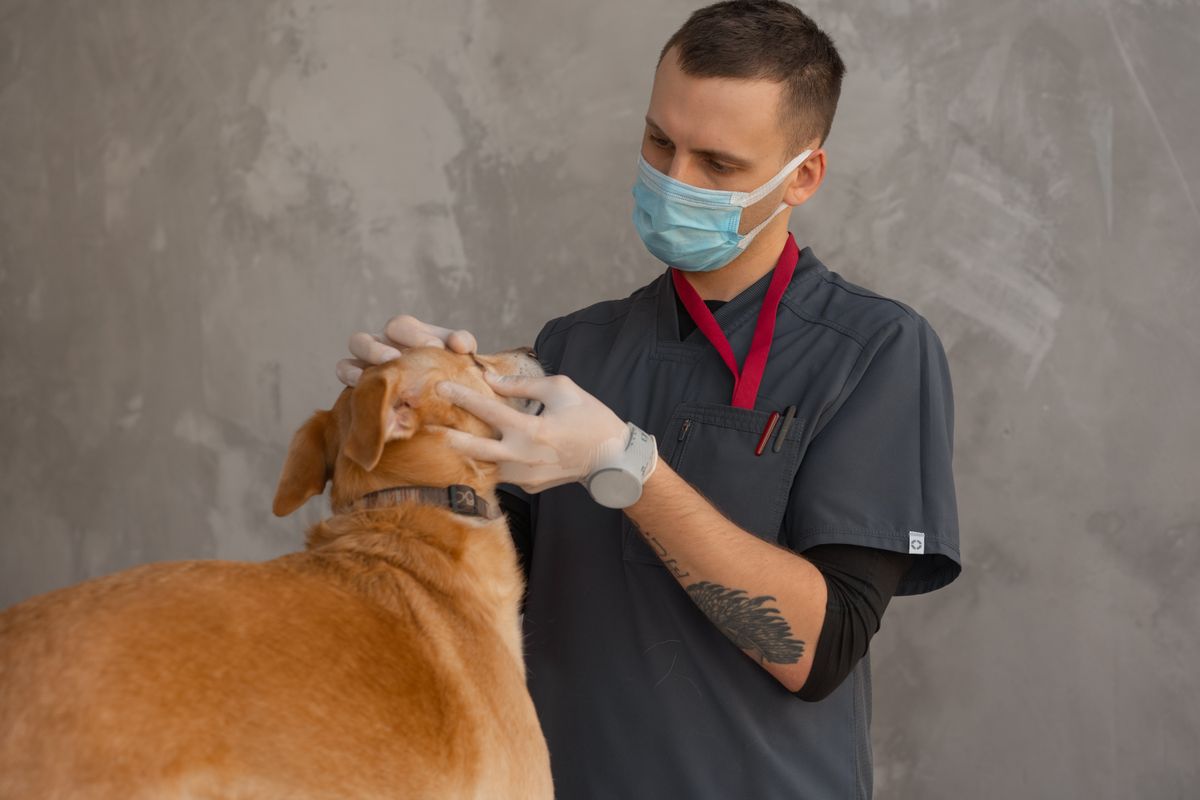
Dog Vomiting Blood: What It Means and Why It's an Emergency

Seeing blood in your dog’s vomit is alarming, but understanding what it could mean helps you respond calmly and quickly. When you notice dog vomiting blood, you’re seeing a signal that something in the upper GI tract, mouth, or even elsewhere in the body may be irritated, injured, or failing to function normally. Hematemesis can arise from simple irritation, but it can also point to serious conditions that require prompt veterinary care. This guide explains common causes, what you can do right away, and how a veterinarian approaches diagnosis and treatment.
What dog vomiting blood can indicate
Vomiting blood can stem from a range of issues that affect the lining of the stomach or esophagus, systemic disease, or injury. In many cases, early assessment leads to faster relief and fewer complications. Common underlying problems include:
- Ulcers and gastritis
- Ingestion of toxins or foreign material
- Inflammatory bowel disease or pancreatitis
- Parasites or infections
- Coagulation disorders or liver/kidney disease
- Dental disease or oral trauma involving bleeding
- Tumors in the stomach or intestines
If the blood appears as dark, coffee-ground material, or if there are other signs like melena (black, tarry stools) or persistent vomiting, the situation may be more urgent. For dogs with underlying cardiovascular or liver disease, bleeding tendencies can complicate even minor GI irritation. For more on GI-related symptoms in dogs, you may also explore related posts like dog-bloat-symptoms and dog-food-allergies to understand how different GI issues present.
Signs and symptoms that often accompany vomiting blood - Lethargy or weakness - Pale or white gums - Abdominal tenderness or bloating - Wobbly or unsteady gait - Drooling, gagging, or lip licking - Fever or signs of dehydration
If you notice these accompanying signs, seek veterinary care promptly. Do not wait to see if it improves on its own.
Immediate steps you can take at home - Do not give human medications (NSAIDs, acetaminophen) unless a veterinarian advises it. - Withhold food for 6–12 hours if your dog is actively vomiting, then reintroduce a bland diet slowly as directed by a vet. - Offer small amounts of clean water or an electrolyte solution; avoid large quantities at once. - Monitor for rapid breathing, collapse, or severe weakness; these require urgent care. - Document when the vomiting started, how much blood is present, and any other symptoms to share with your vet.
You can also note any recent exposures that might explain the bleeding, such as access to toxic plants, medications, rodenticides, or spoiled food. If you’re unsure about the cause, it’s safest to contact a veterinarian, especially if the dog is very young, very old, or has preexisting health issues. Internal bleeding or complex GI problems often need professional evaluation.
When to seek urgent care - Blood in vomit is persistent or increasing - Your dog collapses, is unconscious, or has severely pale gums - Vomiting continues for more than 12–24 hours or is accompanied by diarrhea with blood - Your dog shows signs of dehydration (dry gums, skin tenting) - There is fever, severe abdominal pain, or a painful abdomen on touch
Emergencies require a quick assessment so the vet can stabilize the patient and begin diagnostic testing.
What your veterinarian may do - Physical exam and history, focusing on GI signs, appetite, and any toxin exposure - Blood tests to evaluate red and white cell counts, organ function, clotting, and electrolyte status - Imaging such as abdominal ultrasound or radiographs to detect ulcers, foreign bodies, masses, or organ disease - Stool tests if parasites or infections are suspected - Possible endoscopy to evaluate the esophagus, stomach, and upper small intestine - Treatment may include IV fluids, anti-nausea meds, acid-suppressing therapy, nutritional support, and targeted medications for the underlying cause
Treatment plans depend on the diagnosis and may involve hospitalization for fluids and monitoring. In some cases, long-term management (diet changes, medications, or surgical intervention) is necessary.
Prevention and monitoring
While not every episode can be prevented, there are practical steps to reduce risk and improve early detection of problems.
- Keep a safe home: remove access to toxic plants, household chemicals, and human medications.
- Use veterinary-recommended medications only, and avoid giving NSAIDs or other pain meds without veterinary guidance.
- Manage dental health; oral disease can bleed and contribute to swallowing blood.
- Monitor for chronic GI issues, and work with your vet on a plan if your dog has a history of ulcers, pancreatitis, or coagulopathy.
- Provide a consistent, balanced diet and avoid abrupt changes that can irritate the stomach.
- Be mindful of possible foreign body risks in curious dogs; supervise during play and avoid small, swallowable objects.
- If your dog has known allergies or a history of GI intolerance, discuss a prevention plan with your veterinarian and consider dietary trials under supervision.
For further reading on GI concerns, you can explore related posts on dog-bloat-symptoms and dog-food-allergies to better recognize overlapping signs and triggers.
Conclusion
If you see dog vomiting blood, trust your instincts and seek veterinary guidance promptly. Early evaluation helps identify treatable causes and can prevent complications. With a clear history, diagnostic testing, and a targeted treatment plan, most dogs recover well from GI bleeding when addressed quickly and calmly.
Frequently Asked Questions
Can dog vomiting blood be caused by something minor? Some mild GI irritation from a temporary stomach upset can cause minor blood-tinged vomit, but any amount of blood warrants veterinary assessment to rule out potentially serious conditions such as ulcers, poisoning, or internal bleeding.
How quickly should I seek help after I notice blood in vomit? If any blood is present, contact your veterinarian as soon as possible, or seek urgent care if the dog is weak, dehydrated, or showing other alarming signs. Time can matter with GI issues.
What tests will the vet perform to diagnose the cause? Common tests include a physical exam, complete blood count, chemistry panel, coagulation profile, abdominal imaging (ultrasound or x-ray), and sometimes endoscopy or stool tests to check for infections or parasites.
Can this be prevented in the future? While not all events are preventable, you can reduce risk by keeping toxins out of reach, maintaining dental health, feeding a consistent diet, and avoiding NSAIDs or other risky medications without veterinary supervision. Regular veterinary checkups help detect issues early.
Should I withhold food after seeing blood in vomit? Often, patients are fasted briefly to rest the GI tract, then reintroduced with a bland diet as directed by a veterinarian. Do not make dietary changes or start a new treatment without professional guidance.
Still have questions?
Don't rely on Google if your pet is showing symptoms. Get a professional opinion in minutes.
Talk to a Vet Now