Dog Fever: Signs, Causes, and When to See a Vet
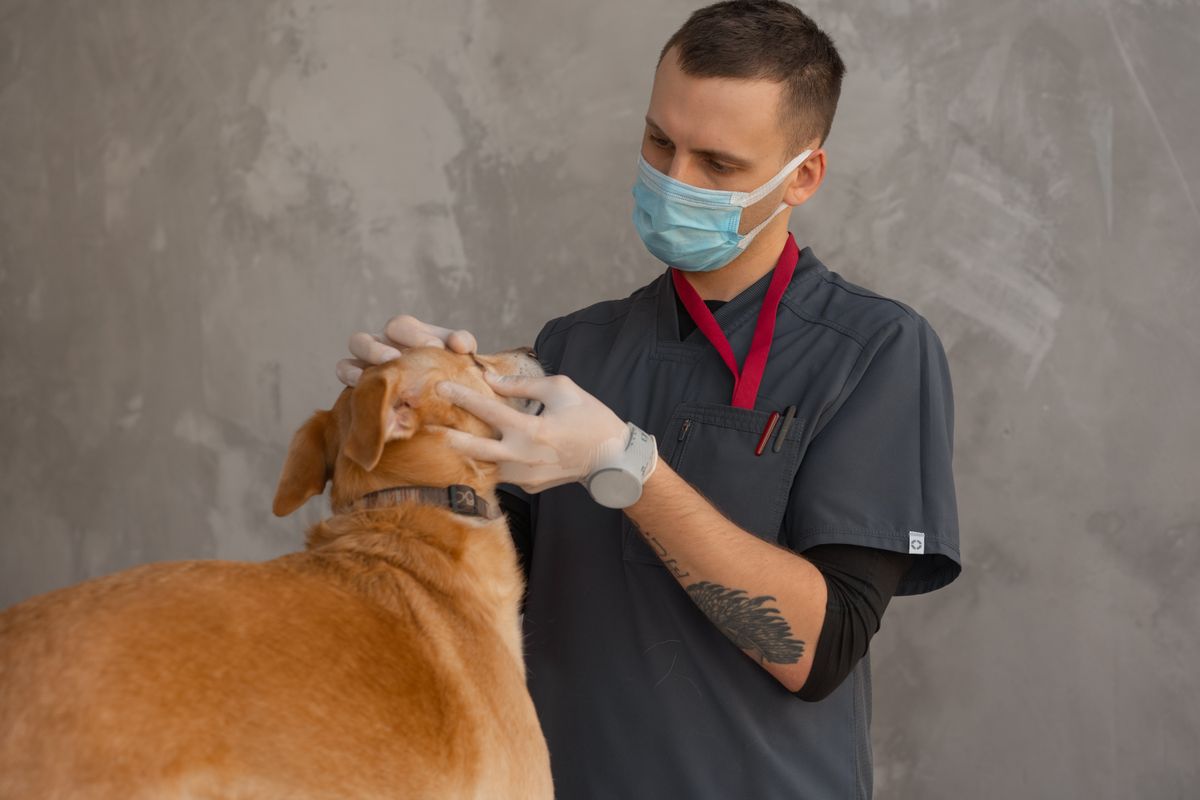
A dog fever is a common sign that your dog is fighting an illness, infection, or inflammatory condition. A healthy dog's normal body temperature usually sits between 101 and 102.5°F (38.3–39.2°C). When the temperature rises above this range, many dogs develop a dog fever that can accompany symptoms such as lethargy, shivering, or loss of appetite. Understanding what to watch for helps you decide when to seek professional care.
What is dog fever?
Dog fever means the body's thermostat is telling the body to fight off a problem. A fever is typically defined as a rectal temperature above about 103°F (39.4°C) in dogs, though individual dogs may run hotter or cooler. Fevers aren’t a disease themselves; they signal an underlying issue such as infection (viral, bacterial, or parasitic), inflammation, immune-mediated disease, or response to heat stress. If you’re unsure how to measure temperature at home, your veterinarian can guide you or perform an in-clinic temperature check.
Recognizing signs and symptoms
Fever often comes with other clues that something isn’t right. Keep an eye on:
- Lethargy or decreased activity
- Loss of appetite or thirst changes
- Shivering or warm to the touch
- Rapid or shallow breathing
- Warm ears or paws
- Decreased energy, reluctance to move, or hiding
- Vomiting or diarrhea (in some cases)
- Dehydration signs, such as dry gums or sunken eyes
If your dog has a fever, you may notice these accompanying signals that help your veterinarian diagnose the cause. For dog owners, tracking changes in behavior alongside temperature helps distinguish a short-lived fever from a more concerning pattern.
Common causes of fever in dogs
- Infections: viral, bacterial, or fungal
- Inflammatory conditions: immune-mediated diseases, pancreatitis, or other organ inflammation
- Tissue injury or trauma
- Vaccination reactions or recent medical procedures
- Heat-related illness or dehydration (heat stroke can elevate body temperature)
- Neoplasia or cancer-related processes (less common but possible)
Certain breeds and ages may be more prone to specific triggers. If you’ve recently introduced new foods, medications, or environmental exposures, discuss these with your veterinarian as part of an assessment.
When to seek veterinary care (red flags)
Most fevers warrant at least a prompt veterinary evaluation, especially if they’re persistent, high, or accompanied by concerning signs. Call or text your vet sooner if you notice:
- A fever above 104°F (40°C) or a fever that lasts more than 24–48 hours
- Vomiting blood, dark stool, or signs of abdominal distress
- Severe lethargy, collapse, trouble breathing, or unresponsiveness
- Stiffness, severe pain, or inability to stand
- Signs of dehydration (dry gums, skin tenting, sunken eyes)
- Any fever in a very young puppy, senior dog, or an dog with a compromised immune system
For suspected fever, your veterinarian may guide you on home monitoring or request an in-clinic exam. When in doubt, it’s safer to seek advice early. If you’ve seen a rapid change in behavior or temperature, don’t delay.
How veterinarians diagnose fever and underlying illness
- Physical exam and history: Core assessment to identify obvious causes and risk factors.
- Temperature measurement: Rectal thermometry is the standard. Oral thermometers are less accurate in dogs.
- Blood work: Complete blood count (CBC) and chemistry to look for infection, organ function, and inflammation.
- Urinalysis: Evaluates kidneys and urinary tract; can reveal infections or dehydration.
- Imaging: X-rays or ultrasound if an internal issue like pneumonia, abdominal disease, or trauma is suspected.
- Specific tests: Cultures, electrolytes, or infectious disease panels if indicated.
Treatment depends on the root cause. Mild viral illnesses may resolve with supportive care, while bacterial infections often require antibiotics. Never use human medications such as acetaminophen, ibuprofen, or aspirin without veterinary guidance; some can be dangerous to dogs.
Home care: safe steps and limitations
- Ensure fresh water is available and encourage small, frequent sips to prevent dehydration.
- Offer easily digestible meals when appetite returns; do not force food if nausea is present.
- Keep your dog in a cool, comfortable environment; avoid overheating.
- Monitor temperature and behavior using a thermometer if you’re comfortable doing so, but seek care if the fever persists.
- Do not administer over-the-counter human meds unless instructed by your vet.
- Track energy level, appetite, urination patterns, and any new symptoms to share during a visit.
If symptoms worsen or do not improve within 24–48 hours, contact your veterinarian. For additional guidance on fever management and related signs, you can explore related posts such as how-to-tell-if-dog-has-fever and dog-vomiting-blood.
Prevention and staying ahead
- Keep up with routine vaccines and regular wellness checks to reduce the risk of preventable infections.
- Practice tick, flea, and parasite prevention to minimize disease exposure.
- Maintain a balanced diet and fresh water, and monitor for any adverse reactions when introducing new foods.
- Seek routine dental and overall health care; underlying dental disease or systemic infection can contribute to fever.
For more on prevention, see tick-prevention-for-dogs and other wellness resources. A proactive approach helps you catch problems early and protect your dog’s comfort and health.
Conclusion
Timely attention to fever and its potential causes is a core part of responsible pet care. If you notice signs of fever or behavioral changes, contact your veterinarian for guidance. Early assessment leads to clearer answers, better outcomes, and less worry for you and your dog. Remember: dog fever is your signal to check in with care, not a diagnosis in itself.
Frequently Asked Questions
What temperature counts as a fever in dogs?
A fever in dogs is commonly defined as a rectal temperature above 103°F (39.4°C). Temperatures can vary by individual, so any persistent elevation or worsening symptoms should be evaluated by a vet.
Should I try home remedies for fever?
Rest, hydration, and a cool environment can help with mild, short-lived fevers. Do not give human medications or attempt home antibiotics. If fever persists or is high, contact your veterinarian promptly.
How can I tell if my dog is dehydrated during a fever?
Signs of dehydration include dry gums, tacky mouth, sunken eyes, lethargy, and skin that tents when gently pulled. If you notice these, seek veterinary care, especially alongside fever.
Can a fever be a sign of something life-threatening?
Yes. Fever can accompany serious conditions such as pneumonia, severe infection, or organ dysfunction. If you observe sudden weakness, collapse, severe difficulty breathing, or persistent bleeding, seek emergency care immediately.
How is fever handled in puppies or senior dogs?
Young puppies and senior dogs may be more vulnerable to rapid changes and dehydration. They often require more urgent evaluation and tailored care. If you’re unsure, contact your veterinarian for guidance based on age and overall health.
Still have questions?
Don't rely on Google if your pet is showing symptoms. Get a professional opinion in minutes.
Talk to a Vet Now