Tick Prevention for Dogs: The Best Ways to Protect Your Pet

Tick prevention for dogs is a practical, year‑round plan that combines veterinarian‑approved preventives, regular tick checks, and good yard hygiene to keep your pet safe and comfortable. By staying ahead of tick exposure, you reduce the risk of bites, skin irritation, and the potential spread of tick‑borne diseases to your best buddy.
Why tick prevention for dogs matters
Ticks are more than a nuisance. They bite and feed on your dog’s blood and can transmit several diseases that impact joints, organs, and overall wellness. Even if your dog seems healthy, a tick‑borne infection can sneak in and cause subtle signs before you notice a change.
- Regular protection reduces the chance of tick bites and disease transmission
- Some tick‑borne illnesses can be serious if untreated, especially in puppies, seniors, or dogs with other health issues
- Early detection and consistent prevention are easier and more cost‑effective than treating advanced disease
If you’re curious about fever signs that can accompany illness, check our guides on how-to-tell-if-dog-has-fever and dog-fever for thoughtful, dog‑specific guidance. For anxious or stressed pets, you can also explore how-to-calm-an-anxious-dog to support overall well‑being during prevention routines.
How ticks threaten dogs
Ticks can carry several pathogens, and transmission can occur quickly after the tick attaches. Not every bite leads to illness, but the risk exists and varies by geography and season.
- Lyme disease (Borrelia burgdorferi): can cause intermittent lameness, fever, and swollen joints
- Anaplasmosis and Ehrlichiosis: may trigger fever, limping, lethargy, and reduced appetite
- Babesiosis: can cause pale gums, weakness, and dark urine in severe cases
- Tick‑borne rickettsial diseases (e.g., Rocky Mountain spotted fever in some regions): symptoms vary and may include fever and rash
- Tick paralysis (rare): caused by toxins in some tick species and can affect walking ability
Understanding these risks helps you tailor prevention to your dog’s lifestyle and where you live or vacation.
Best methods for tick prevention for dogs
A robust plan uses a combination of products, environmental care, and everyday checks. Always follow your veterinarian’s recommendations and start prevention before tick activity is high in your area.
- Choose veterinarian‑recommended preventives
- - Topical spot‑on treatments applied monthly
- - Oral chewables that kill ticks after they bite
- - Tick collars with effective active ingredients
- - Spot‑on and oral options vary by weight, age, and health status
- Safety first
- - Do not use pet products that are formulated for humans or for cats on dogs
- - Never use dog‑specific products containing permethrin on cats or on households with cats
- - Avoid essential oils and home remedies not supported by veterinary guidance
- Environmental management
- - Keep lawns mowed and remove leaf litter and brush where ticks hide
- - Create a tick‑safe play area away from wood lines and tall grass
- - Treat yards with veterinarian‑recommended repellents or discuss integrated approaches
- Tick checks and grooming
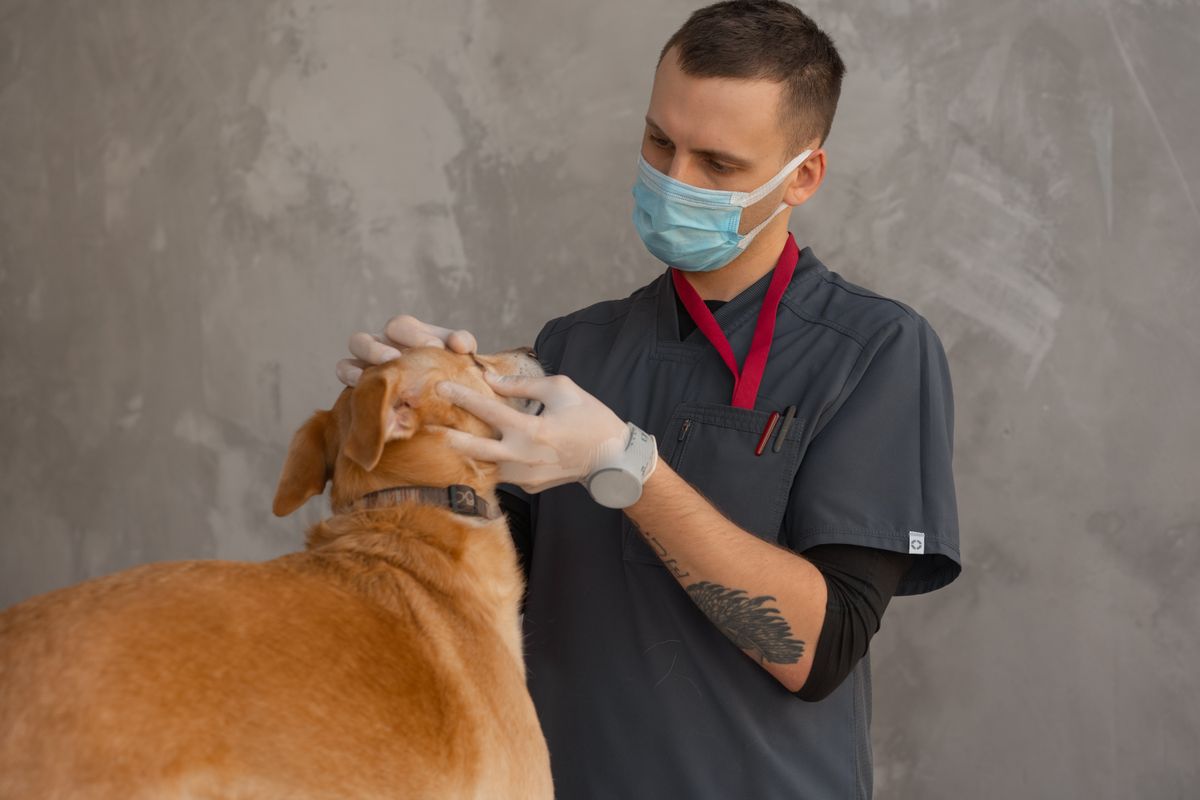
- - Examine your dog after outdoor adventures for any ticks or irritated skin
- - Pay attention to ears, face, neck, armpits, between toes, and the base of the tail
- - Brush your dog regularly to catch hitchhikers early
- Handling ticks and when to seek care
- - If you find a tick, remove it promptly with clean tweezers or a tick removal tool
- - Save the specimen in a sealed container if you notice unusual symptoms and contact your vet
- - Contact your vet if a bite area becomes red, swollen, or warm, or if your dog develops fever or reluctance to move
- Vaccination and ongoing care
- - Lyme vaccination may be considered in areas with high risk; discuss benefits and limitations with your veterinarian
- - Regular vet visits help ensure your prevention plan stays appropriate as your dog ages or as risks change
If you want structured, personalized guidance for your dog’s risk level and environment, Waggle Vet’s online vet consultations can be a helpful resource to discuss product choices and a tailored plan.
Putting it into practice
Create a simple, repeatable routine that fits your daily life and your dog’s needs.
- Pick a prevention approach that fits your dog (topical, oral, or collar) and apply on schedule
- Do a quick tick check after every outdoor outing, especially after hikes, camping, or time in tall grass
- Maintain your yard and outdoor spaces to reduce tick habitats
- Keep up with regular grooming and bathe your dog as advised by your vet, using products that won’t irritate the skin
- Stay alert for subtle changes in behavior or energy, and schedule a check‑in with your veterinarian if you notice anything concerning
Conclusion: tick prevention for dogs is a practical, ongoing commitment that pays off with a healthier, happier companion. It’s about prevention, vigilance, and partnership with your veterinarian to keep your dog comfortable in every season.
If you’d like professional guidance tailored to your dog today, Waggle Vet offers easy online vet consultations to help you choose the right preventive products and build a plan that fits your routine and your pet’s needs.
Frequently asked questions
Frequently Asked Questions
How often should I apply tick preventive products? Most monthly options are designed for regular use throughout the year, but some products may have different labeling or seasonal recommendations. Always follow the product instructions and your veterinarian’s advice, and adjust for your geographic area and your dog’s lifestyle.
Are tick preventives safe for dogs? When used as directed and chosen based on your dog’s age, weight, and health, tick preventives are generally safe. Side effects can occur, most often mild and transient, such as itching at the application site or temporary digestive upset. If you notice any concerning symptoms, contact your veterinarian promptly.
Can dogs still get tick-borne diseases even with preventives? The risk is reduced but not eliminated. No preventive is 100% foolproof, and ticks can sometimes bite before a preventive takes full effect. Regular checks, prompt tick removal, and vet‑guided adjustments to your plan help minimize risk.
Should I check my dog for ticks every day? A quick daily or post‑outing check is a good habit, especially after outdoor adventures in tick‑endemic areas. Focus on the ears, neck, armpits, between toes, and the base of the tail.
Can tick prevention help cats too? Cats require different products, and many dog products are unsafe for cats. Talk with your vet about cat‑specific tick prevention options if you share your home with a cat, and never use dog products on cats.
Still have questions?
Don't rely on Google if your pet is showing symptoms. Get a professional opinion in minutes.
Talk to a Vet Now