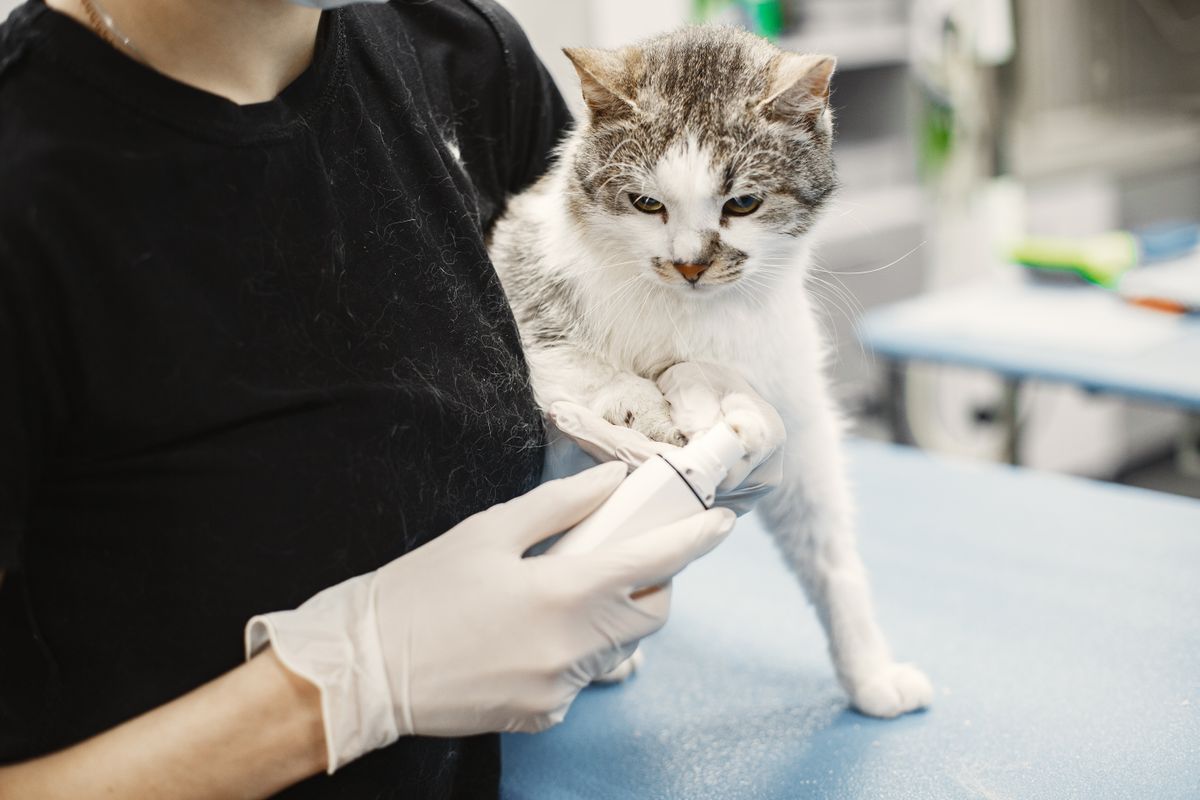
Cat Anxiety: Signs, Triggers, and How to Help

Cat anxiety is a common, treatable condition that can show up as changes in behavior, mood, and daily routines. Recognizing these shifts early helps you provide calm, consistent care and seek veterinary guidance when needed. With patience, enrichment, and a solid plan, most cats regain confidence and resume their usual activities.
Signs of cat anxiety
Noticeable signs fall into emotional, behavioral, and physical categories. Look for patterns that persist over days or weeks rather than a single tense moment.
- Hiding or withdrawal from people and other pets
- Increased vocalization (more meowing or yowling than usual)
- Sudden aggression or irritability toward people or other animals
- Restlessness, pacing, or inability to settle in one spot
- Trembling, dilated pupils, flattened ears, or tail flicking
- Excessive grooming, fur pulling, or self-soothing behaviors
- Changes in appetite or weight, including decreased interest in food
- Inappropriate urination or defecation, or litter box avoidance
If you notice these signs for several weeks, it’s a good idea to discuss them with your veterinarian. Many cases improve with changes at home, and some benefit from professional behavior guidance.
Causes and triggers of cat anxiety
Understanding what starts or worsens anxiety helps you reduce exposure and support your cat more effectively.
- Environmental changes: moving homes, new furniture, guests, or altered daily routines
- New pets or family members, or the loss of a familiar routine
- Loud noises and sudden stimuli: fireworks, thunderstorms, vacuum cleaners, or construction
- Medical illness or pain: dental disease, arthritis, hyperthyroidism, urinary issues
- Past trauma or chronic stressors, including previous inescapable confinement or neglect
- Inadequate enrichment or a lack of safe spaces to retreat and decompress
Note: medical conditions can masquerade as anxiety. A veterinary check is important if symptoms appear abruptly, worsen quickly, or are paired with weight loss, vomiting, or lethargy.
How to help your cat manage cat anxiety
A calm, proactive plan often reduces anxiety and improves quality of life. Start with gentle steps and adjust as your cat’s comfort grows.
Create a safe, quiet space - Provide a dedicated retreat with a cozy bed, low traffic, and vertical perch options - Ensure easy access to a litter box, water, and a few favorite toys - Use a consistent, soothing routine around feeding, play, and sleep times
Maintain routine and enrichment - Keep feeding times predictable and offer puzzle feeders for mental engagement - Schedule short, frequent play sessions to burn excess energy and build confidence - Introduce gradual, non-threatening exposures to common triggers (e.g., guests, new objects) over weeks
Pheromones and calming aids - Consider feline pheromone products (diffusers, sprays) as part of a broader plan - Use soothing music or white noise to mask sudden sounds during stressful moments - Avoid harsh punishments; instead, reward calm behaviors
Behavioral strategies - Desensitization and counterconditioning can help a cat tolerate triggers over time - Track patterns in a simple behavior diary to identify you can tailor interventions - Seek guidance from a veterinarian or board-certified veterinary behaviorist for personalized plans
Medical evaluation and proactive care - Rule out pain or illness with a full exam and appropriate tests (e.g., dental work, thyroid function) - Discuss pain management or joint health if arthritis or chronic discomfort is suspected - Review medications or dietary changes that could support mood or energy levels
When medications may help - For some cats with moderate to severe anxiety, short-term or ongoing pharmacologic therapy may be appropriate - Any medication should be prescribed and monitored by a veterinarian, with careful consideration of potential side effects and interactions - Behavioral strategies and enrichment remain essential even if medications are used
Red flags and when to seek urgent help - Sudden collapse, inability to walk, or severe distress - Self-harm attempts or injuries that don’t heal - Severe dehydration or inability to eat or drink for more than 24–48 hours - Rapid, uncontrolled weight loss or persistent vomiting
If you’re ever unsure, a quick check-in with your veterinarian can clarify whether symptoms are anxiety-related or due to another underlying condition.
If you’re juggling multiple pets, you may find value in related resources on Waggle Vet, such as new-puppy-checklist for home readiness or dog-focused topics like dog-vomiting-blood and dog-bloat-symptoms. These can provide broader context for how household changes affect animal behavior.
Putting it all together
Managing cat anxiety requires patience, empathy, and a structured plan. Small, consistent steps—plus timely veterinary input when needed—often yield meaningful improvements. By strengthening comfort, routine, and enrichment, you create an environment where your cat can feel secure and confident again. And remember, you’re not alone: your veterinarian is a trusted partner in tailoring a plan that fits your cat’s personality and home life. The goal is steady progress, not perfection, with cat anxiety becoming a manageable aspect of your cat’s well-being.
Frequently Asked Questions
What is cat anxiety? Cat anxiety is excessive stress or fear in felines that affects behavior, mood, and daily routines. It can stem from environmental changes, medical issues, or past experiences and is often manageable with a combination of environment tweaks, enrichment, behavior strategies, and veterinary guidance.
How can I tell if my cat's behavior is anxiety or something else? Consider whether the behavior persists for days to weeks, occurs in multiple contexts, and is accompanied by other signs such as hiding, vocal changes, or appetite shifts. A veterinary exam can help rule out medical causes and determine if anxiety is the primary driver.
Can cat anxiety be cured? Many cats improve with a combination of environmental adjustments, enrichment, and behavioral strategies. In some cases, veterinary-prescribed medications may help. Ongoing management is often needed, but long-term improvements are common with a steady plan.
Do pheromones help with cat anxiety? Pheromone-based products can support a calming environment when used as part of a broader plan. They’re not a standalone cure, but many cats respond with reduced signs of stress when combined with enrichment and routine care.
When should I see a veterinarian? If anxiety signs are new, severe, or lasting more than a few weeks, or if you notice weight loss, vomiting, lethargy, or trouble eating or drinking, seek veterinary care. Medical conditions can masquerade as anxiety, and a clinician can guide safe, effective treatment.
Still have questions?
Don't rely on Google if your pet is showing symptoms. Get a professional opinion in minutes.
Talk to a Vet Now