Brachycephalic Breathing Problems: Why Flat-Faced Breeds Struggle
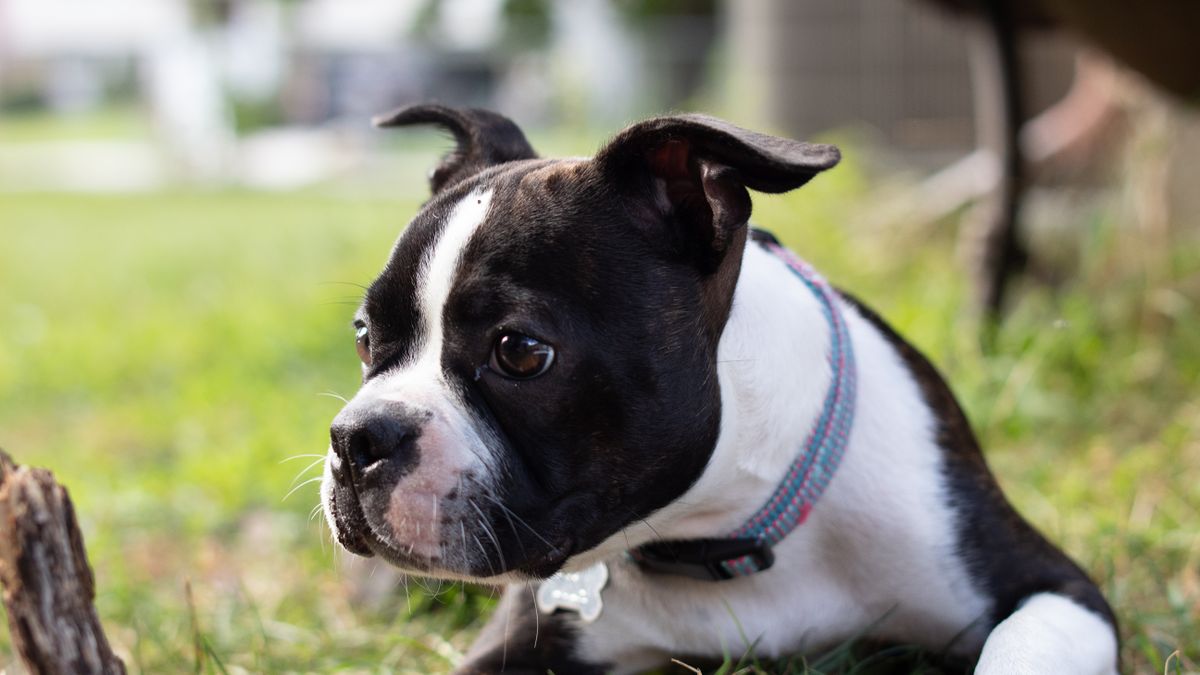
Brachycephalic breeds — Bulldogs, Pugs, French Bulldogs, Boston Terriers, Pekingese, and similar flat-faced dogs (plus Persian and Himalayan cats to a lesser degree) — have skull structures that result in genuinely narrowed airways from birth, a set of anatomical features collectively referred to as brachycephalic airway syndrome. This isn't a disease that develops later; it's baked into how these breeds are built, in varying degrees of severity from dog to dog.
This means some amount of snorting, snoring, and labored-sounding breathing is baseline normal for these breeds in a way it isn't for other dogs, which creates a genuine challenge for owners trying to figure out when something has crossed from "normal for my breed" into "needs attention." Heat, exercise, excitement, and obesity all worsen the underlying anatomical narrowing and can push a brachycephalic dog into real respiratory distress faster and at lower thresholds than other breeds.
Signs that cross into true distress, beyond the everyday snorting and snoring, include blue or pale gums, collapse, extreme reluctance to move, inability to cool down after mild exertion, or breathing that sounds significantly different or more labored than the dog's own established baseline.
What to do: Know your specific dog's normal breathing sounds well enough to notice deviation. Keep brachycephalic pets cool, avoid exercise during heat, manage weight carefully given how much extra weight worsens airway compression, and treat any of the distress signs above as an emergency requiring immediate care — these breeds have a much smaller safety margin than others, particularly around heat.
Heat specifically is one of the biggest risk factors for this group — here's a real account of a heatstroke scare and what changed afterward.
Still have questions?
Don't rely on Google if your pet is showing symptoms. Get a professional opinion in minutes.
Talk to a Vet Now