Dog Breathing Through Mouth Instead of Nose: What This Means
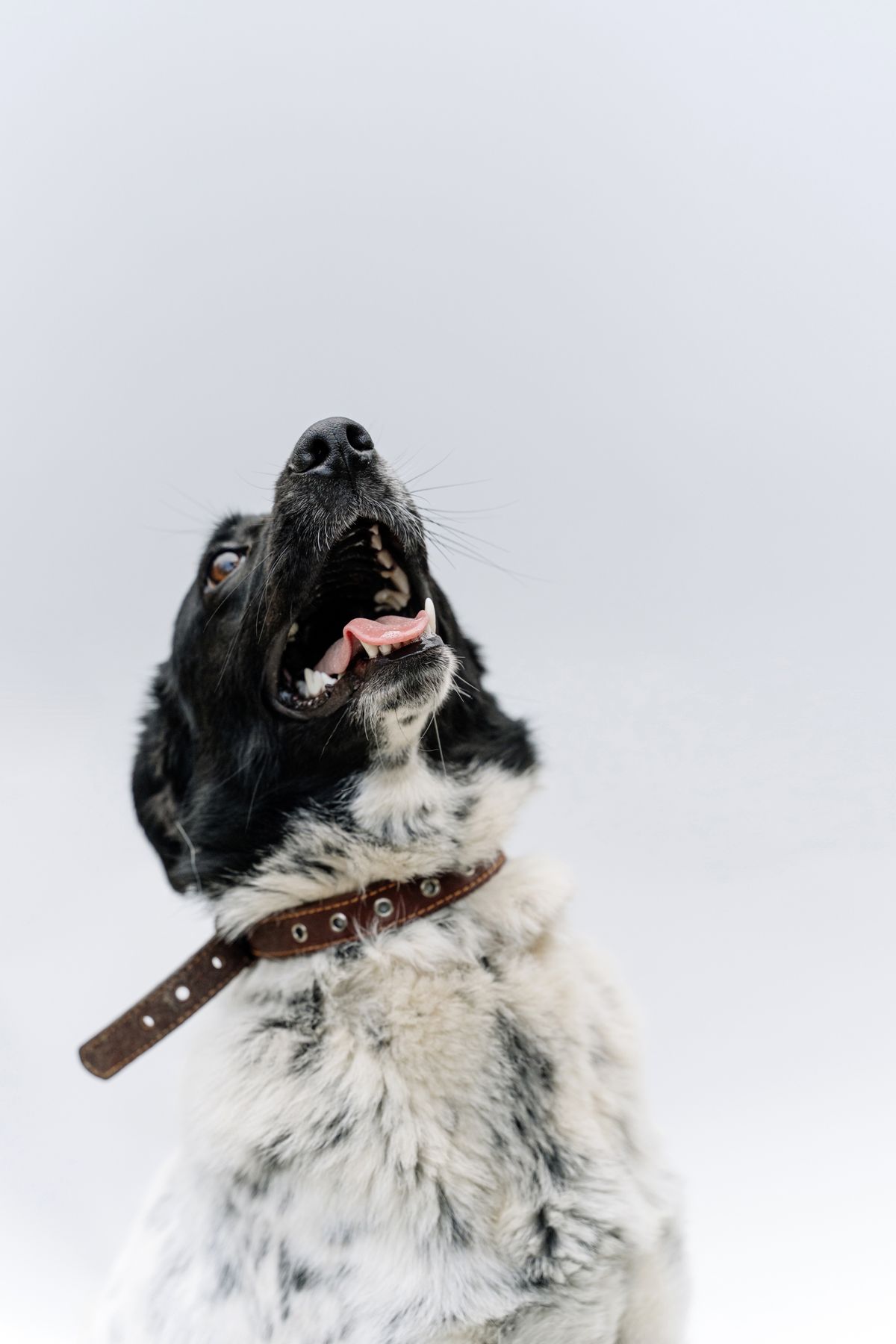
Dogs, unlike cats, breathe through an open mouth for plenty of completely normal reasons — panting to cool down, excitement, exertion, and simply resting comfortably with a relaxed, slightly open mouth are all unremarkable. This is a meaningful difference from cats, where open-mouth breathing is a much stronger warning sign in most circumstances.
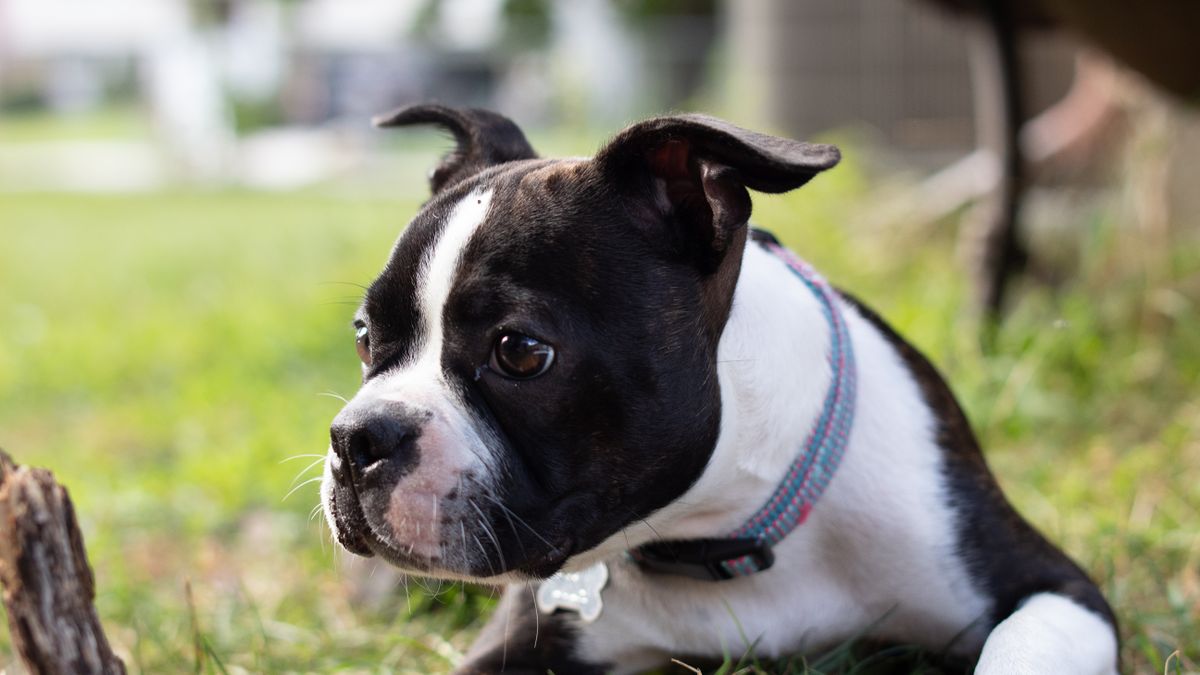
That said, a dog who's shifted to consistently breathing through their mouth at true rest, when they didn't used to, particularly without an obvious trigger like heat or recent activity, is worth paying attention to. This shift sometimes indicates nasal obstruction significant enough that breathing through the nose has become genuinely difficult — from severe congestion, a foreign object, nasal polyps, or in brachycephalic breeds, a worsening of their underlying anatomical narrowing, sometimes related to weight gain or age.
The distinguishing factor is really about baseline and trigger: occasional mouth breathing tied to normal activity, heat, or excitement isn't concerning. A new, persistent pattern of mouth breathing at rest, especially combined with snoring, congestion, or nasal discharge, suggests the nose itself has become obstructed enough to matter.
What to do: For dogs who mouth-breathe occasionally in normal contexts (after exercise, when it's warm, when excited), no action is needed. For a new, persistent shift to resting mouth breathing without an obvious trigger, especially alongside nasal discharge or congestion, a vet visit is worth it to check for a nasal obstruction or significant congestion that's making nose breathing genuinely difficult.
If congestion seems like the likely culprit, here's more on nasal congestion causes and care, and for brachycephalic breeds specifically, here's how their baseline breathing differs from other dogs.
Still have questions?
Don't rely on Google if your pet is showing symptoms. Get a professional opinion in minutes.
Talk to a Vet Now