Labored Breathing in Dogs: Signs of Real Distress
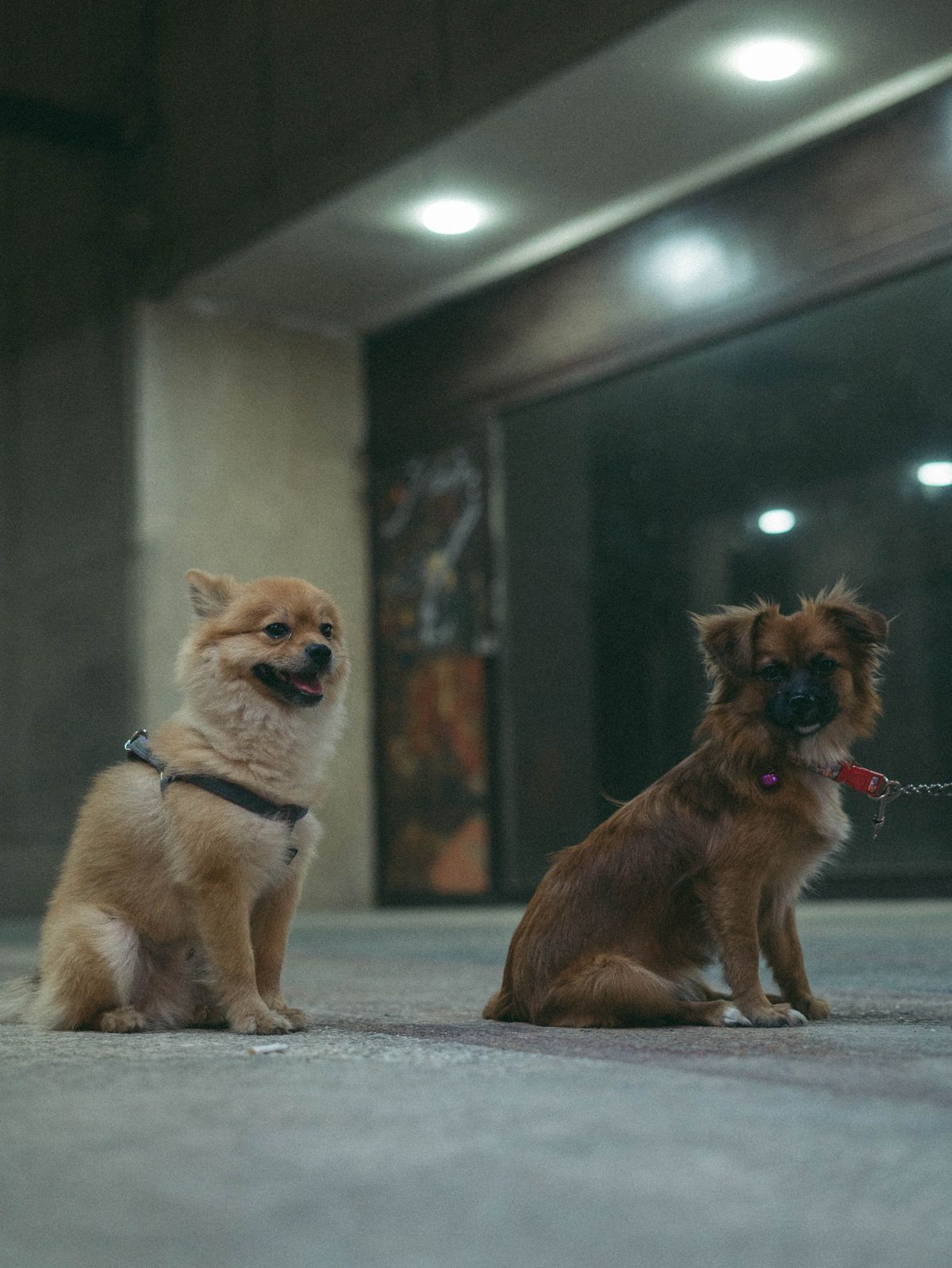
Labored breathing, sometimes called respiratory distress, looks distinctly different from normal panting or heavy breathing after exercise, and learning to spot the difference matters because this symptom often indicates something requiring immediate attention rather than something to monitor at home.
Key signs of true labored breathing include exaggerated movement of the chest and abdomen with each breath, breathing with an open mouth even at rest (in dogs who don't normally pant much at rest), flaring nostrils, extending the neck and head forward to try to open the airway more, and reluctance to lie down, since some dogs in respiratory distress find it easier to breathe sitting or standing. This is different from normal post-exercise panting, which resolves within a reasonable amount of time and doesn't involve this level of visible effort or distressed body positioning.
Causes range widely and include heart failure with fluid buildup around the lungs, an airway obstruction, severe allergic reaction affecting the airway, trauma, heatstroke, or significant lung disease. The underlying cause matters less in the moment than recognizing that labored breathing itself is always worth treating as urgent.
What to do: Labored breathing, regardless of the suspected cause, warrants immediate veterinary attention — this is not a symptom to wait out or manage at home. Keep your dog as calm and still as possible while getting to help, since stress and exertion can worsen respiratory distress. If gums appear blue or pale alongside labored breathing, this signals oxygen isn't being delivered adequately and needs the fastest possible response.
For that specific warning sign, here's what blue or pale gums indicate and why they matter so much.
Still have questions?
Don't rely on Google if your pet is showing symptoms. Get a professional opinion in minutes.
Talk to a Vet Now