The Heatstroke Scare That Changed How We Travel With Our Dog
We know better now. I want to say that up front, because this story is genuinely embarrassing in hindsight, and I'm writing it partly so someone else doesn't make the same mistake.
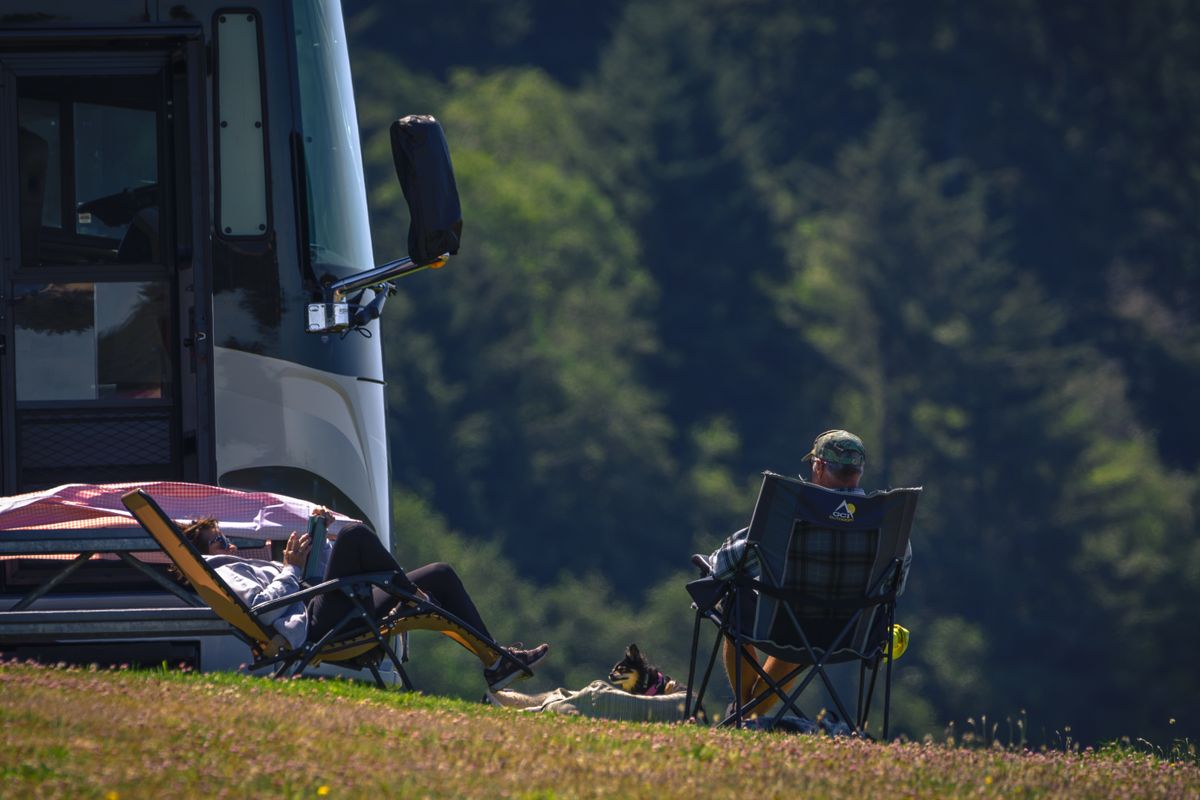
We were driving through Arizona in July, RV parked at a rest stop, and ran inside for what we thought would be a five-minute bathroom break. Cracked windows, shaded parking spot, our husky Koda left inside for what turned into closer to twenty-five minutes because the line was longer than expected. Twenty-five minutes doesn't sound like much. In a parked vehicle in July heat, it's plenty.
When we got back, Koda was panting heavily, drooling excessively, and seemed disoriented, stumbling slightly when he tried to stand. Huskies are also just genetically not built for heat the way some other breeds are, which we knew intellectually but hadn't fully respected in practice until that moment.
We got him out immediately, into shade, and I opened the Waggle app while my husband started getting water on his paw pads and belly — cooling from the inside out with ice water can actually cause shock, which the vet told us within the first minute of the call, so I'm glad we hadn't already done that out of panic. She had us check his gum color and asked about his breathing rate, talked us through a slow, controlled cooling approach with room-temperature (not ice-cold) water on specific areas, and was very clear about the line: if he stopped responding to us, had bloody diarrhea or vomiting, or his temperature didn't start coming down within the timeframe she gave us, we needed to get to an emergency vet immediately, no more monitoring.
He started improving within about fifteen minutes of the cooling approach — panting slowed, he could stand steadily, gum color improved. She had us stay on a follow-up text check-in for the next few hours just to be safe, and by evening he was back to normal.
We now have a strict rule: nobody stays in the RV alone in heat, period, even "just for a few minutes," and we run the AC on a generator or shore power any time we're not driving during summer months. The vet also told us something that stuck — heatstroke damage can continue internally even after the dog seems to recover, which is part of why that follow-up monitoring mattered.
If you're newer to traveling with pets in hot climates, here's the fuller picture of what we've learned about vet access on the road. And a completely different kind of scare, but similarly fast-moving, is what a suspected snake bite looks like and what NOT to do about it.
Koda's fine now, back to his usual business of ignoring us on walks. But that twenty-five minutes changed how we think about every stop we make.
Still have questions?
Don't rely on Google if your pet is showing symptoms. Get a professional opinion in minutes.
Talk to a Vet Now