Six Months Full-Time RVing With Two Dogs: What I Learned About Vet Access
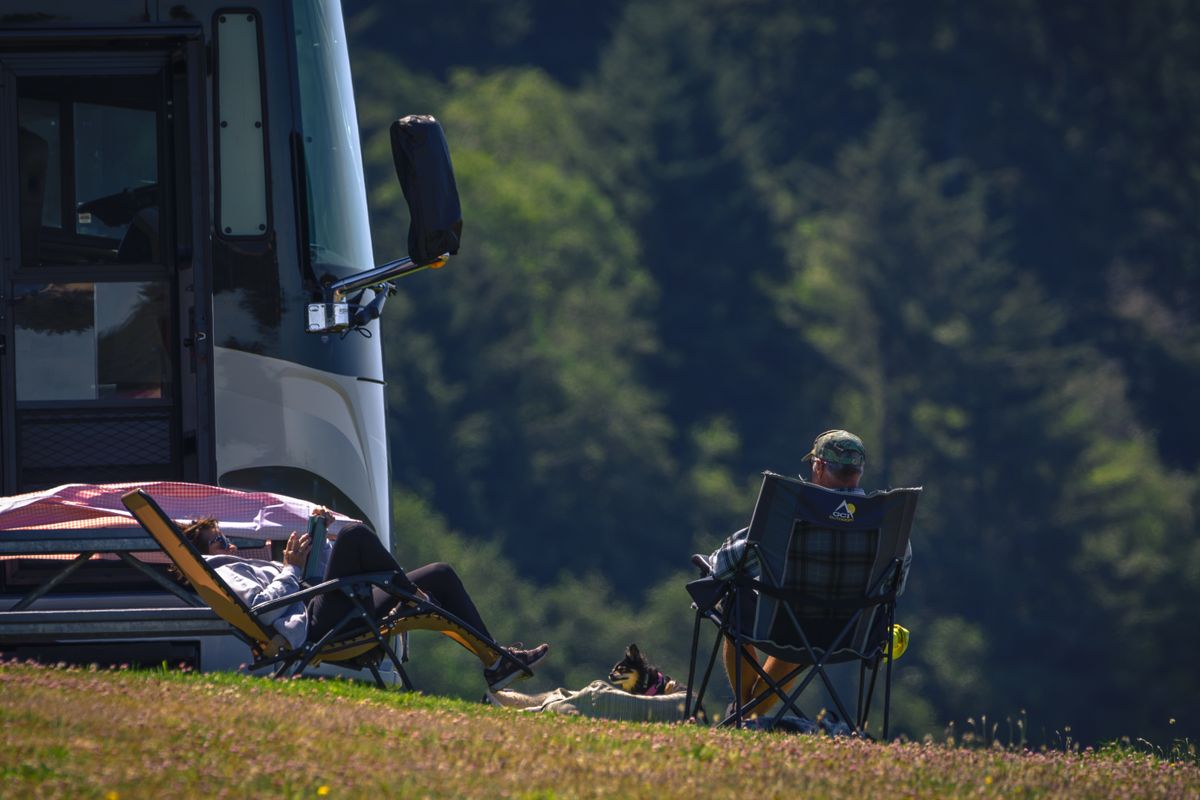
We sold our house in March and have been full-time RVing since, with our two dogs, Scout and Millie, along for every mile of it. Six months in, I've written a few of the individual scary moments elsewhere on this site — the puppy seizure in Nevada, the snake bite scare in Utah — but I wanted to write something more general about what this actually looks like day to day, because the individual emergencies aren't really the hardest part.
The hardest part is the constant low-level uncertainty of not having a "regular vet" anymore. When you live in one place, you build a relationship with a vet who knows your dog's history, your dog's quirks, what's normal for them specifically. On the road, every town is a potential new vet with zero history, and a lot of small towns simply don't have same-day availability, sometimes not even same-week.
We learned early that the actual danger isn't usually the dramatic emergency — those tend to sort themselves out because you know it's serious and you find a way to get help, whatever it costs or however far you have to drive. The danger is the in-between stuff: the limp that might be nothing, the weird stool, the scratch that might need attention, all the situations where in a normal life you'd just call your vet's office and ask, and on the road you have no one to call.
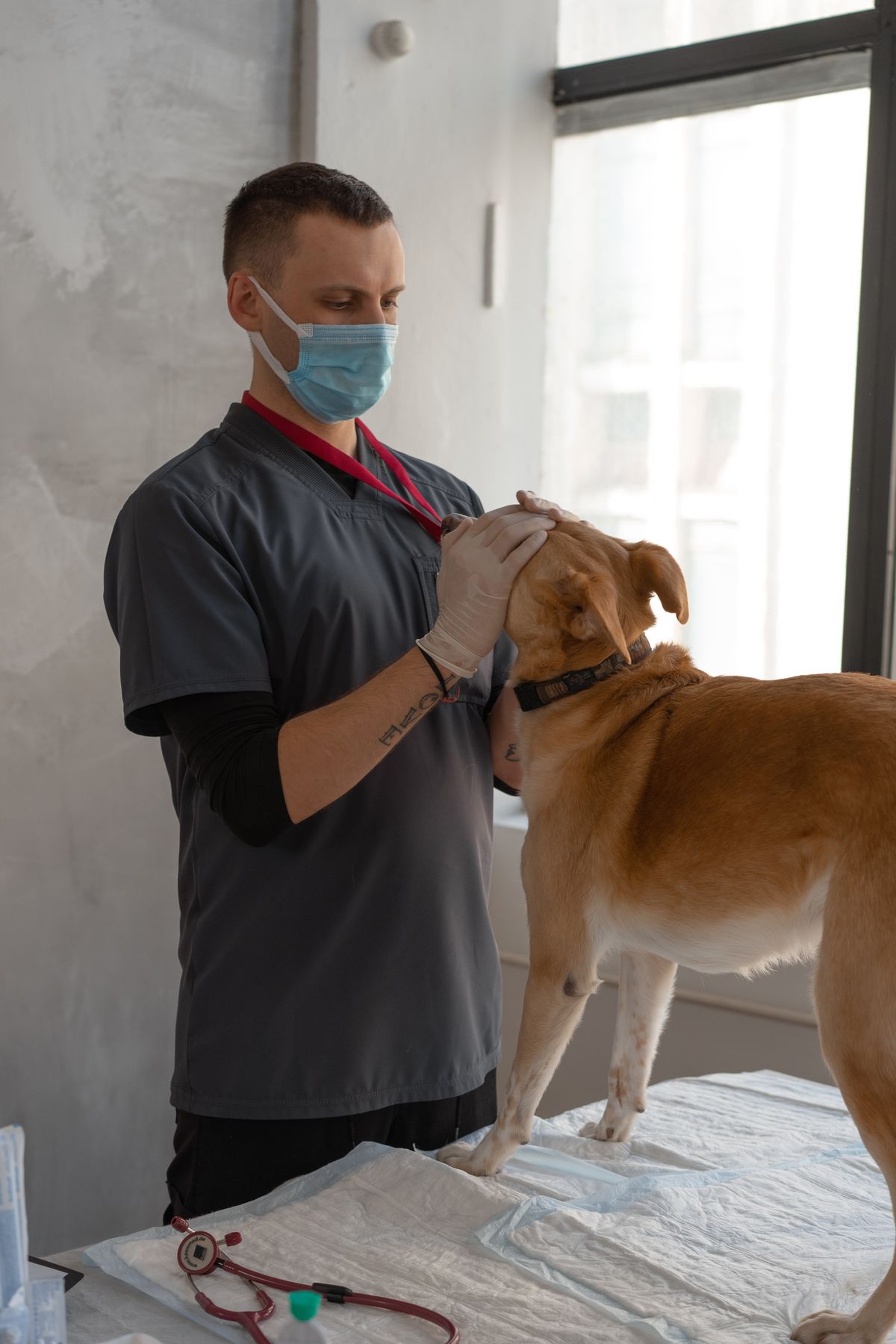
Having video vet access changed that specific problem more than anything else we did to prepare for this life. Not because it replaces in-person care — every single story I've written about our travels ends with either "it resolved on its own" or "we got to an in-person vet," never with telehealth as the entire solution for anything serious. What it replaced was the guessing. The having-no-one-to-ask part.
A few practical things we've learned the hard way: cell signal is the actual limiting factor more than anything else, so we now check any reservation or dispersed camping spot for signal reports before committing if either dog has any ongoing issue. We keep a physical first aid kit stocked specifically for what a vet might walk us through over video — hydrogen peroxide, saline, a proper thermometer, benadryl at the right formulation, gauze. And we've learned to trust our own read on "something's off" faster than we used to, because on the road, catching something early matters more when your backup options are thinner.
If you're earlier in your own transition to this lifestyle, the individual stories are probably more useful than this reflection — the puppy seizure in the middle of nowhere, the heatstroke scare that changed how we handle every stop we make now, and the snake bite that taught us what not to do all cover specific situations in more useful detail than general advice can.
Six months in, we wouldn't go back to a house. But we also wouldn't do it again without figuring out vet access before we left, the way we did the second time.
Still have questions?
Don't rely on Google if your pet is showing symptoms. Get a professional opinion in minutes.
Talk to a Vet Now