Puppy Diarrhea: Normal Adjustment or Something Else?
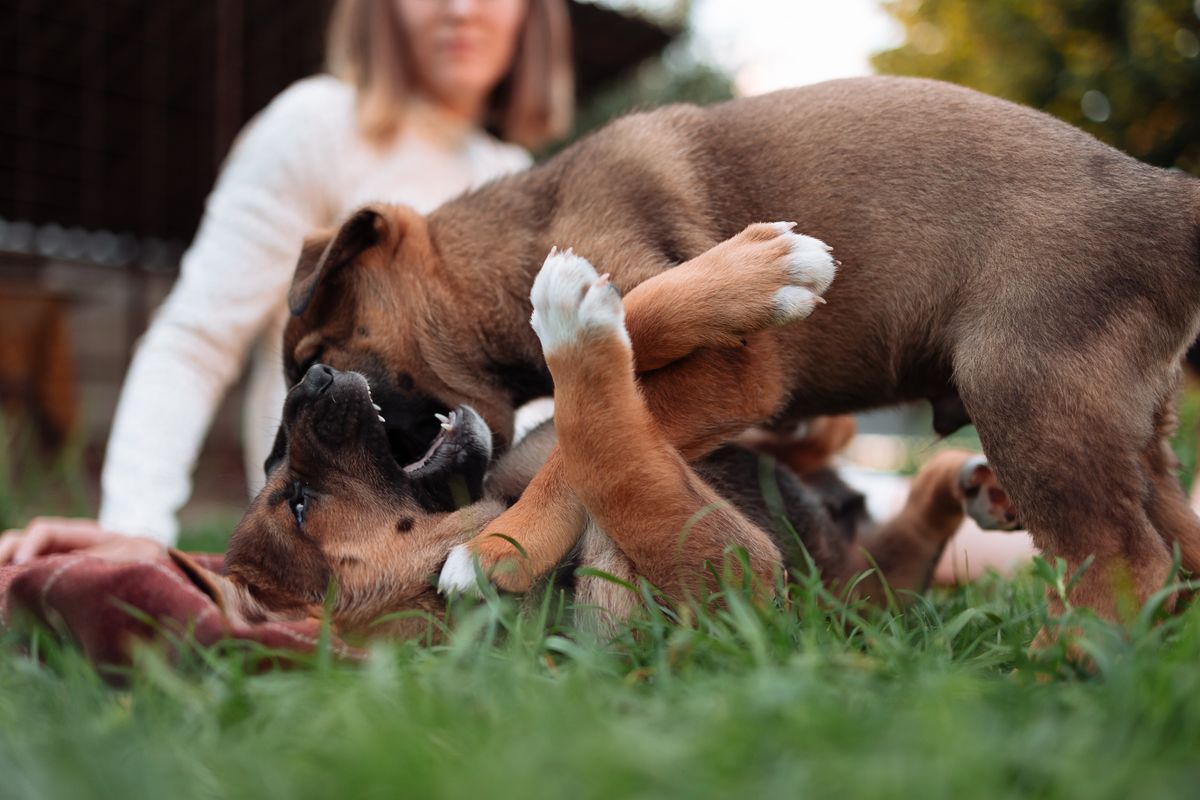
New puppy owners deal with diarrhea often enough that it's practically a rite of passage, and a lot of the time it really is just adjustment — a new home, a new food, new water source, and general stress of a huge life transition can all cause temporary loose stool in an otherwise healthy puppy, usually resolving within a few days.
The harder part is that this same age group is also at genuinely higher risk for causes that need real treatment: intestinal parasites (extremely common, especially in puppies from shelters, rescues, or breeders with less rigorous deworming protocols), and viral illnesses like parvovirus, which is more serious in puppies whose vaccine series isn't yet complete. Because the "probably just adjustment" and "this needs treatment" categories can look identical in the first day, this is a symptom worth taking seriously in young puppies rather than assuming the best.
Red flags specific to puppies: diarrhea combined with vomiting, lethargy, not wanting to play, loss of appetite, or a distended abdomen — especially before their vaccine series is complete. Blood in the stool at any age warrants attention, but especially so in a young puppy given how fast dehydration progresses.
What to do: For mild, short-term loose stool with a puppy who's otherwise playful, eating, and drinking normally, monitoring for a couple of days with a bland diet is reasonable. Any red flags above, or diarrhea that doesn't improve within 48 hours, warrants a same-day vet consultation rather than waiting it out further, given how quickly puppies can decline.
For a real account of a first-time owner working through a puppy diarrhea scare at 2am, here's how that night actually went.
Still have questions?
Don't rely on Google if your pet is showing symptoms. Get a professional opinion in minutes.
Talk to a Vet Now