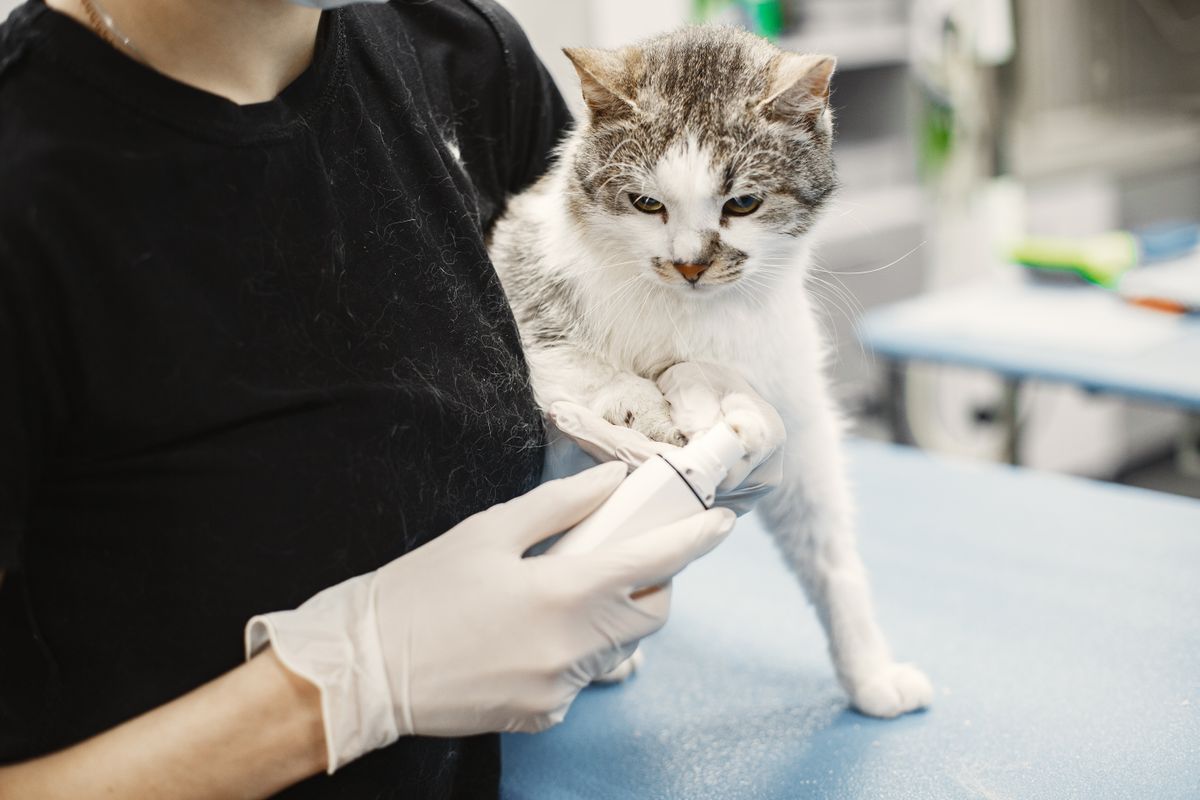
Hyperthyroidism in Cats: Symptoms, Diagnosis, and Treatment Options

Hyperthyroidism in cats is a common endocrine disorder in aging felines, caused by overproduction of thyroid hormones by the thyroid glands. Most often arising from benign nodules in the thyroid, this condition speeds up metabolism and can affect multiple organ systems. Recognizing the signs early and working with a veterinarian can help maintain quality of life and long-term health.
What is hyperthyroidism in cats?
Hyperthyroidism in cats occurs when the thyroid gland produces too much thyroxine (T4) and often triiodothyronine (T3). In most cases, nodules on thyroid tissue secrete excess hormones, accelerating body processes that influence heart rate, energy use, and appetite. The condition typically appears in middle-aged to older cats, though it can occur in younger animals on rare occasions. Secondary effects can involve the heart, kidneys, liver, and eyes, underscoring why a full veterinary evaluation is important when symptoms arise.
Signs and symptoms to watch for
- Weight loss with preserved or increased appetite
- Increased hunger or food-seeking behavior
- Rapid, irregular, or pounding heartbeat; panting or trouble breathing in some cases
- Restlessness, irritability, or heightened activity levels
- Poor coat condition, shedding, or greasy fur
- Tremors, muscle weakness, or fatigue
- Vomiting or diarrhea
- Increased thirst and urination
- Mouth breathing or higher respiratory effort during rest
- Elevated blood pressure or vision changes in advanced cases
If you notice any combination of these signs, especially in an older cat, arrange a veterinary check promptly. Early detection supports more options for management and a better quality of life.
How veterinarians diagnose hyperthyroidism in cats
- Thorough physical examination and history, including appetite, weight changes, and activity
- Blood tests to measure thyroid hormones, primarily total T4; if T4 is equivocal or borderline, a free T4 by equilibrium dialysis may be recommended
- Kidney function tests (BUN and creatinine) and liver enzymes to assess organ health
- Urinalysis to evaluate kidney filtering and overall health
- Blood pressure measurement and cardiac evaluation (electrocardiogram or echocardiogram) if indicated
- Imaging or specialized tests (thyroid scan or ultrasound) in select cases to confirm the source of excess hormone production
- Differential diagnosis to rule out stress-related or other endocrine conditions
These steps help distinguish hyperthyroidism in cats from other conditions that can mimic it, such as kidney disease or gastrointestinal disorders, and guide treatment decisions.
Treatment options and what to expect
The goal of treatment is to reduce or normalize thyroid hormone levels while protecting the heart and kidneys. Choices depend on the cat’s overall health, age, kidney function, lifestyle, and the owner’s ability to follow a treatment plan. The main options are:
Methimazole (antithyroid medication)
- How it works: Inhibits thyroid hormone production, lowering T4/T3 levels.
- Pros: Non-invasive; can be started quickly; adjustable dosing; many cats tolerate it well.
- Cons: Requires daily dosing; potential side effects include vomiting, loss of appetite, lethargy, and rare blood disorders; some cats become resistant over time.
- Monitoring: Regular blood work to monitor thyroid levels and organ health, plus watch for adverse effects.
Radioactive iodine therapy (I-131)
- How it works: A single radioisotope dose selectively targets thyroid tissue, often curing hyperthyroidism.
- Pros: High cure rate; usually eliminates the need for ongoing medication; minimal long-term treatment requirements.
- Cons: Requires referral to a veterinary nuclear medicine facility; cats are treated as an outpatient or short hospital stay and must be isolated briefly; not suitable for pregnant or very ill cats; facility-specific costs and scheduling.
- Monitoring: Follow-up thyroid testing and renal assessment after therapy to adjust ongoing care.
Thyroid surgery (thyroidectomy)
- How it works: Removal of hyperactive thyroid tissue.
- Pros: Potentially curative in some cases; no ongoing medication required.
- Cons: Surgical risks, including anesthesia in older cats; potential for residual thyroid tissue requiring additional treatment; possible scarring and healing considerations.
- Monitoring: Postoperative thyroid tests and kidney function checks, with attention to wound healing and appetite.
Low-iodine diet (dietary therapy)
- How it works: A prescription diet restricted in iodine to limit thyroid hormone production.
- Pros: Non-invasive and easy to administer; some cats do well as a long-term management strategy.
- Cons: Not suitable for all cats, especially those with concurrent diseases; may require strict feeding and caloric control; efficacy can vary.
- Monitoring: Regular thyroid testing to ensure control, plus standard kidney and liver monitoring.
Choosing a treatment plan involves weighing the benefits and risks of each option, along with the cat’s other health issues, especially kidney function. Your veterinarian can help tailor a plan that fits your cat and your family’s needs.
Monitoring and long-term care
- Schedule regular rechecks to monitor thyroid hormone levels and kidney function
- Monitor weight, appetite, activity, and coat appearance between visits
- Have blood pressure checked periodically, especially in older cats
- Keep a consistent dosing schedule if on medication and report any side effects quickly
- Ensure vaccinations and preventive care continue as recommended
- Reassess treatment choice if health status changes or if new issues arise
Effective management hinges on ongoing communication with your veterinarian and timely adjustments to therapy as needed.
Special considerations for older cats and kidney disease
Hyperthyroidism can complicate kidney disease detection because excess thyroid hormone often masks kidney dysfunction by increasing kidney perfusion. Once hyperthyroidism is controlled, kidney function may reveal itself as a limiting factor for treatment and overall health. If your cat has concurrent kidney disease, your vet may adjust targets for thyroid control, prioritize therapies with gentler cardiovascular effects, or implement closer monitoring.
Conclusion
Understanding hyperthyroidism in cats helps you partner with your veterinarian to protect heart health, kidney function, and overall well-being. With thoughtful treatment choices, regular monitoring, and attention to your cat’s comfort, most cats maintain a good quality of life well into their senior years.
Frequently Asked Questions
What are the most common signs of hyperthyroidism in cats? Weight loss with increased appetite, restlessness, a rapid or irregular heartbeat, and a noticeably improved or altered coat are among the hallmark signs to discuss with your veterinarian.
How is hyperthyroidism in cats diagnosed? Diagnosis typically starts with a blood test to measure thyroid hormone levels (T4), followed by additional tests to assess kidney function, liver health, and cardiovascular status as needed.
What treatment options exist, and how do I choose the best one? Treatment options include methimazole, radioactive iodine therapy, thyroid surgery, and a low-iodine diet. The best choice depends on your cat’s health, age, kidney function, and your ability to commit to monitoring. Your veterinarian will help tailor a plan.
Can hyperthyroidism in cats affect kidney function? Yes. Hyperthyroidism can mask kidney disease; controlling thyroid hormones may reveal or alter kidney function, so regular monitoring is essential.
Is radioactive iodine therapy safe for my cat and others in the home? Radioactive iodine is generally safe for the cat and household members when proper facility guidelines are followed. Most cats recover quickly, and the therapy offers a high cure rate, but it requires specialized care and timing coordinated with a nuclear medicine facility.
Still have questions?
Don't rely on Google if your pet is showing symptoms. Get a professional opinion in minutes.
Talk to a Vet Now