Senior Cat Vomiting: When It's More Than a Hairball
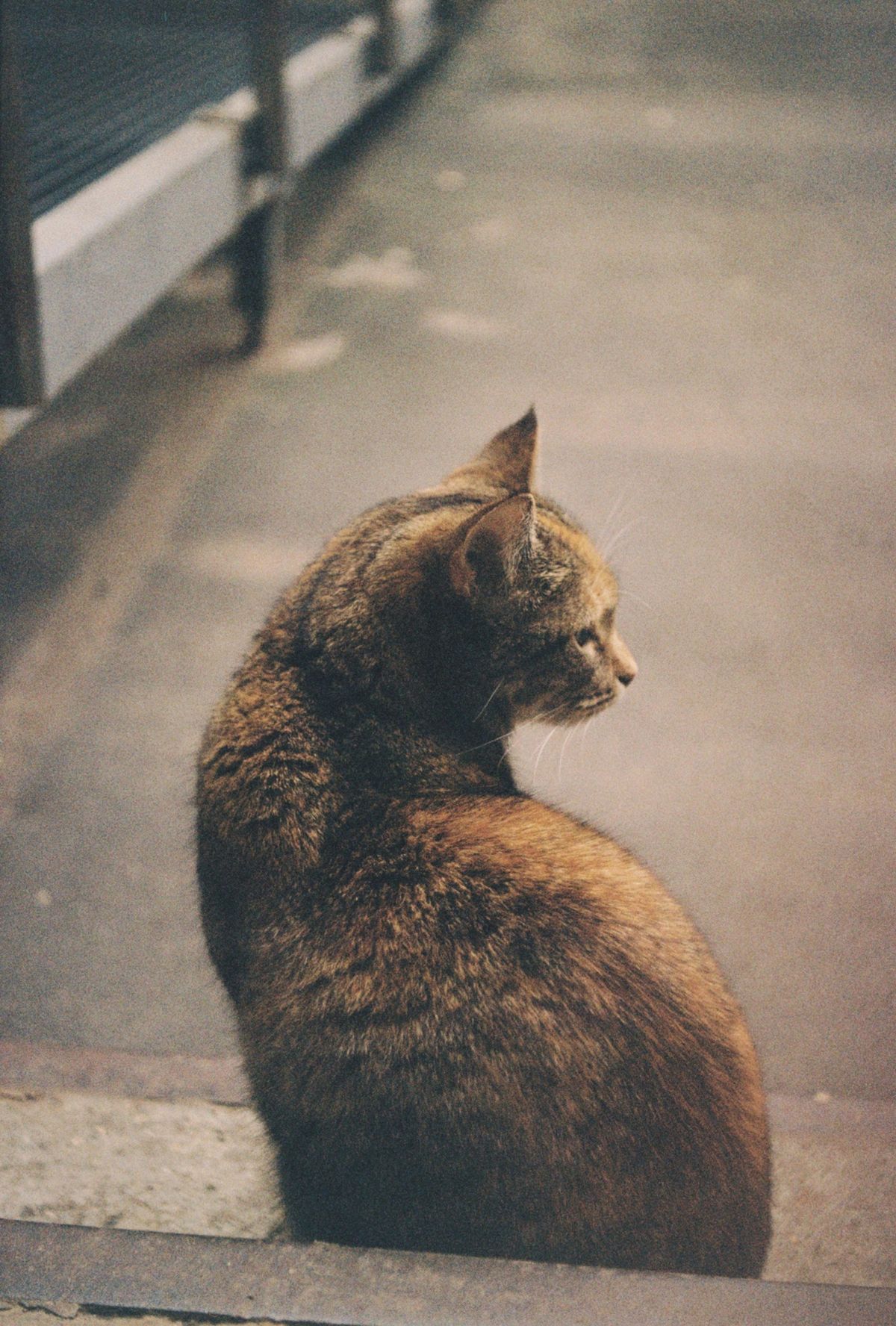
Older cats carry the same "cats vomit sometimes" baseline as younger cats, plus a specific set of age-related conditions that make chronic or recurring vomiting worth genuinely investigating rather than continuing to write off as hairballs. Hyperthyroidism, kidney disease, inflammatory bowel disease, and in some cases early-stage cancers all commonly present with vomiting as one of the first noticeable symptoms in senior cats.
The tricky part is that these conditions often develop gradually, and vomiting that increases slowly in frequency over months can be easy to normalize, especially if the cat otherwise seems fine day to day. By the time weight loss becomes visually obvious, a fair amount of time may have already passed with an untreated underlying condition.
Watch for vomiting that's become more frequent than it used to be, vomiting alongside weight loss (even if appetite seems normal or even increased, which is a classic hyperthyroidism pattern), increased thirst, or changes in coat quality.
What to do: If your senior cat has been vomiting more than the occasional hairball, or you've noticed any weight change, increased thirst, or appetite changes alongside it, this is worth a proper vet visit with bloodwork rather than continued at-home monitoring — many of the underlying causes are very manageable once identified, but they need to actually be identified first.
If appetite loss is the more prominent symptom in your situation, here's a full account of what a sudden appetite change in a senior cat turned out to mean.
Still have questions?
Don't rely on Google if your pet is showing symptoms. Get a professional opinion in minutes.
Talk to a Vet Now