Senior Cat Not Eating: Why This Needs Fast Attention
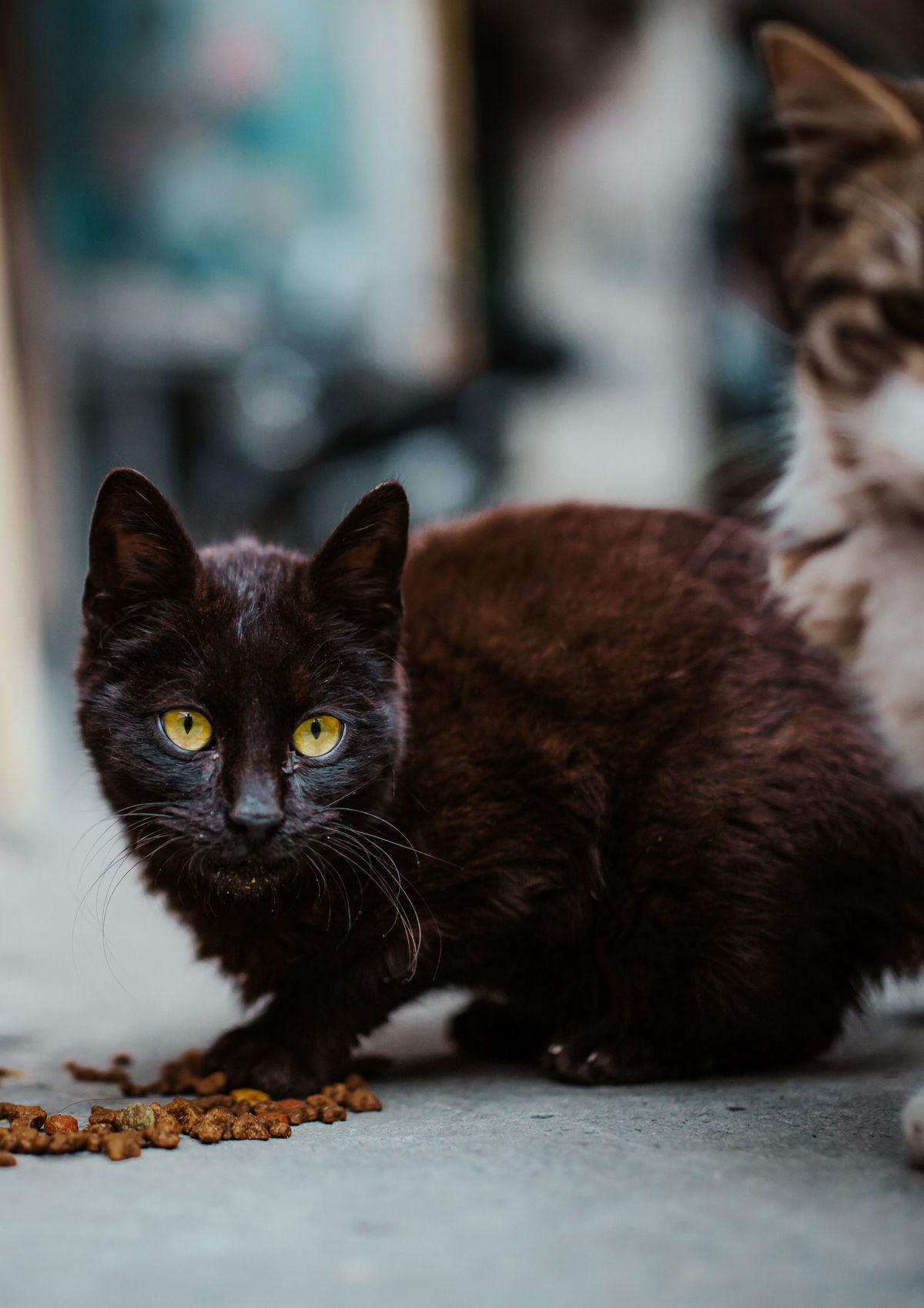
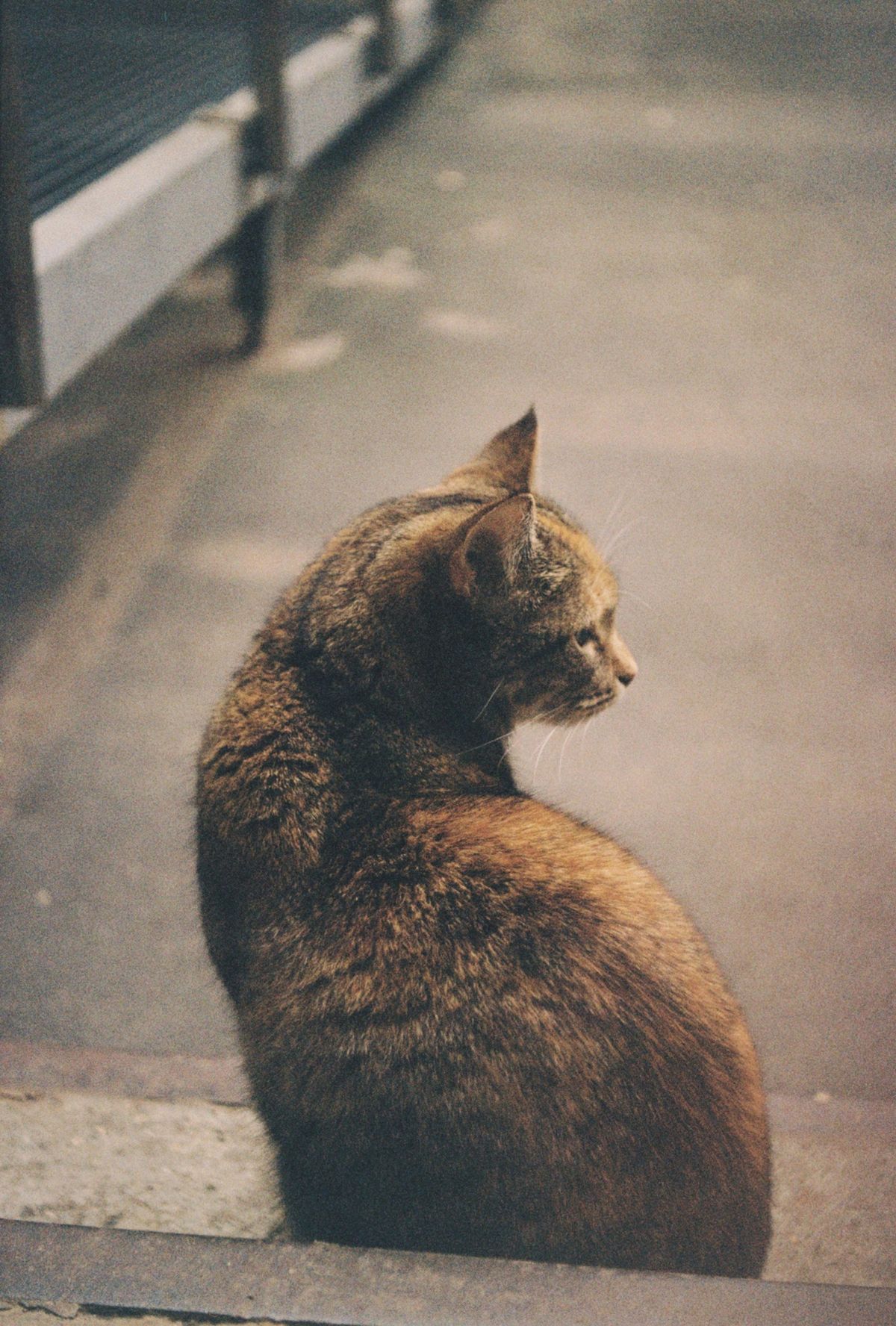
The general risk that applies to any cat not eating — hepatic lipidosis developing within roughly 24-48 hours of inadequate food intake — combines with a wider range of age-related conditions in senior cats specifically, making appetite loss at this life stage worth taking seriously right away rather than waiting to see how the weekend goes.
Kidney disease is extremely common in older cats and frequently presents with reduced appetite as an early symptom, sometimes alongside increased thirst that owners notice separately without connecting the two. Dental disease, hyperthyroidism (which can paradoxically cause both increased and, less commonly, decreased appetite depending on the stage), and a range of other conditions round out the more common causes.
Because senior cats often have some combination of chronic conditions rather than a single clear diagnosis, appetite loss at this age is genuinely one of the more valuable symptoms to bring to a vet's attention quickly — it can be an early signal of something that's very manageable if caught in time, or a sign that an existing known condition needs a treatment adjustment.
What to do: Any senior cat not eating for more than 24 hours warrants same-day veterinary attention, and even a smaller decrease in normal eating over several days is worth mentioning to a vet rather than waiting for a scheduled annual visit. Given how much more manageable most underlying causes are when caught early, the value of checking in quickly is genuinely high at this life stage.
For a full account of what a real weekend appetite change in a senior cat turned out to mean, here's the complete story.
Still have questions?
Don't rely on Google if your pet is showing symptoms. Get a professional opinion in minutes.
Talk to a Vet Now