Cat Throwing Up Food? Here's Why and How to Help
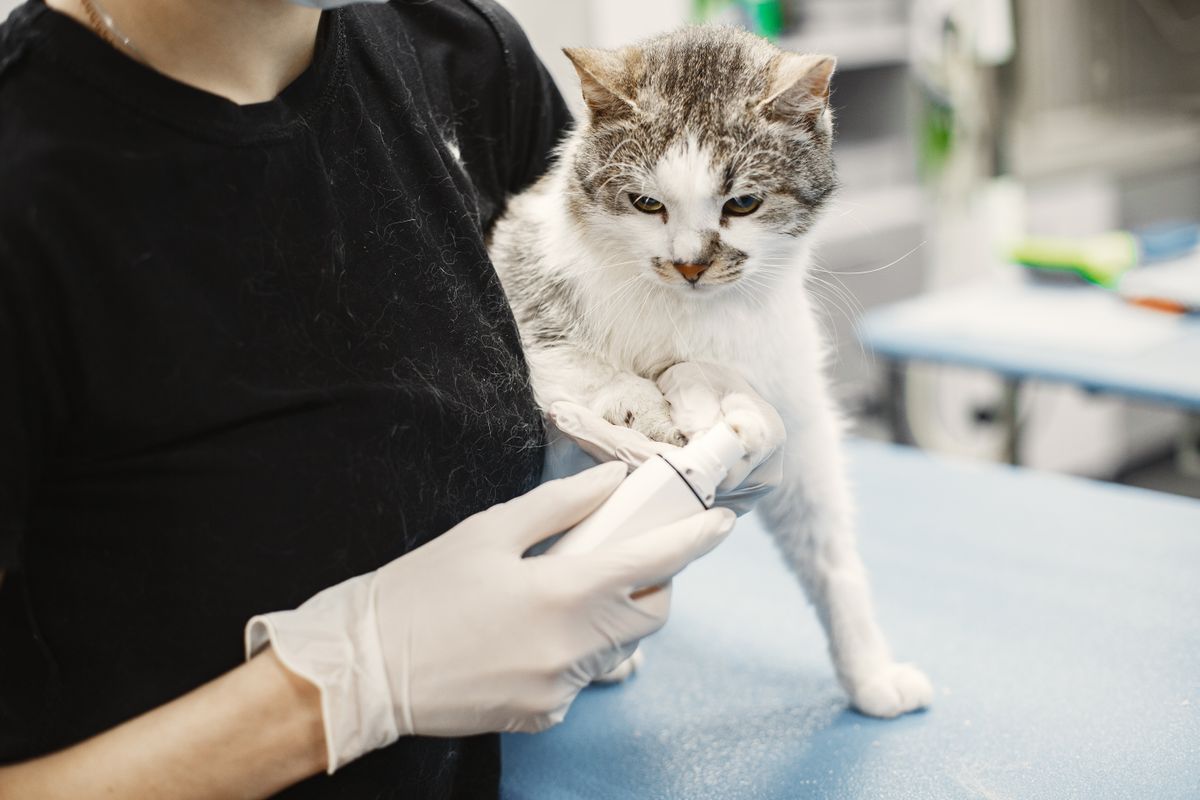
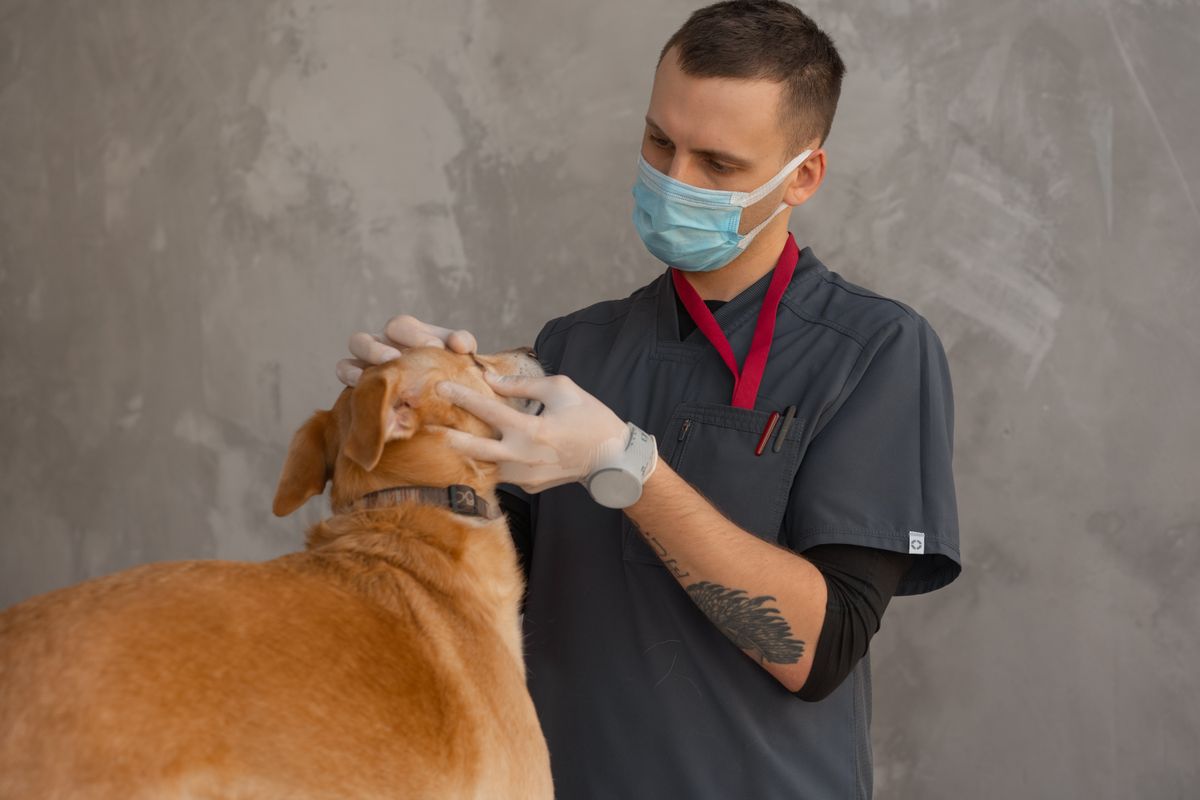
Experiencing cat throwing up food can be alarming, but it’s often manageable with careful observation and guidance from a vet. Vomiting in cats has many possible triggers—from hairballs to dietary changes or infections—so distinguishing the likely cause helps you decide when to seek care.
Common causes of cat throwing up food
- Hairballs and grooming-related ingestion
- Eating too quickly or overeating
- Sudden dietary changes or intolerance to a new food
- Gastrointestinal inflammation or infection (gastritis, enteritis)
- Pancreatitis, kidney disease, liver disease, or thyroid disorders
- Ingestion of toxins or risky houseplants
- Stress, heavy shedding, or dehydration
Understanding these factors can help you track patterns, such as whether vomiting happens after meals, during episodes of stress, or in relation to hair shedding seasons.
When to worry: signs that require veterinary care
- Vomiting more than once in 24–48 hours or persistent vomiting
- Vomit contains blood or a bile-like color
- Inability to keep fluids down, extreme lethargy, or dehydration
- Weight loss, poor appetite, or muscle wasting
- Swollen abdomen, pain on touching the belly, or signs of collapse
- Diarrhea, pale gums, or signs of toxin exposure (you see a chemical, plant, or medication exposure)
If you notice any of these red flags, especially in kittens, seniors, or cats with known health problems, contact a veterinarian promptly. Even if symptoms seem mild, a check-in can rule out serious issues.
How vets diagnose the cause
Physical exam and history A veterinarian will listen to your cat’s heart and lungs, palpate the abdomen, and review recent meals, textures, and any potential toxin exposure.
Laboratory tests - Blood work to assess organ function (kidneys, liver, thyroid) and electrolyte balance - Urinalysis to evaluate kidney health and hydration - sometimes stool tests if infection is suspected
Imaging and endoscopy - Abdominal ultrasound or X-rays to look for blockages, organ problems, or masses - Endoscopy may be used to examine the upper GI tract or obtain biopsies if inflammation is suspected
Targeted tests for suspected conditions In certain cases, your vet may pursue specific tests for pancreatitis, inflammatory bowel disease, or infectious agents, depending on the overall picture, age, and risk factors.
Practical steps you can take at home
- Feed smaller, more frequent meals
- Use easily digestible, high-quality foods; consider rotating protein sources slowly
- Increase moisture intake with wet food or broth (no salt or onions) to support hydration
- Groom your cat regularly during shedding seasons to reduce hair ingestion
- Keep a consistent feeding routine and a calm eating environment
- Offer a clean water source and fresh water daily
- Avoid sudden dietary shifts; transition gradually over 7–10 days
- Monitor for patterns (after meals, during stress, after kibble changes) and note them for your vet
If you choose to try a dietary change, do so under your veterinarian’s guidance, especially if your cat has a history of kidney disease, diabetes, or food allergies.
Treatment options and long-term management
Treatment depends on the underlying cause and may include: - Symptomatic care: antiemetics to control vomiting, fluids to treat dehydration, and small, bland meals during recovery - Dietary management: hypoallergenic or easily digestible diets for sensitive stomachs; high-fiber options to aid digestion and reduce hairball buildup - Hairball control: regular brushing, specialized hairball diets, or approved lubricants as advised by your vet - Management of chronic conditions: addressing kidney disease, liver disease, thyroid disorders, or inflammatory bowel disease with medications and dietary plans - Addressing infections or toxins: antibiotics if a bacterial infection is present or removal of toxin exposure - In urgent cases: surgery for mechanical blockages or severe obstruction, which requires prompt veterinary intervention
If your cat has a history of chronic vomiting, a veterinary follow-up plan and a home-monitoring checklist can help you spot changes early and adjust treatment as needed.
Conclusion
Cat throwing up food is not uncommon, but it’s your job to separate a simple, occasional upset from a signal that something more needs attention. By observing patterns, seeking timely veterinary guidance, and implementing gentle dietary and environmental changes, you can support your cat’s digestion and comfort while reducing unnecessary worry. If you notice ongoing or concerning vomiting, reach out to your veterinarian to determine the right next steps.
Frequently Asked Questions
Why does my cat keep vomiting after meals? Persistent post-meal vomiting can be due to dietary intolerance, hairball buildup, or GI issues such as gastritis or inflammatory bowel disease. A vet can assess for dehydration, electrolyte imbalance, and underlying conditions.
Can hairballs cause vomiting in cats? Yes. Hairballs form when grooming causes hair to accumulate in the stomach. Mild occurrences are common, but frequent hairball vomiting may indicate excess shedding, dehydration, or a need for dietary adjustments and regular brushing.
Should I change my cat’s food if they vomit? A sudden change can upset a cat’s stomach. If vomiting occurs, introduce any new food gradually over 7–10 days and consult your vet to choose a formula tailored to your cat’s needs, especially if there are known allergies or chronic conditions.
When is vomiting an emergency? Seek urgent care if vomiting is accompanied by collapse, severe lethargy, persistent diarrhea, dehydration signs, vomiting blood, or your cat cannot keep fluids down. Young kittens and older cats may deteriorate quickly, so err on the side of caution.
Are there at-home remedies for cat vomiting? Gentle measures include offering small, bland meals and ensuring access to fresh water. Do not give medications, oils, or human foods without veterinary instructions. If vomiting persists, a vet visit is essential to identify and treat the underlying cause.
Still have questions?
Don't rely on Google if your pet is showing symptoms. Get a professional opinion in minutes.
Talk to a Vet Now