Cat Seizures: Causes, Symptoms, and What to Do
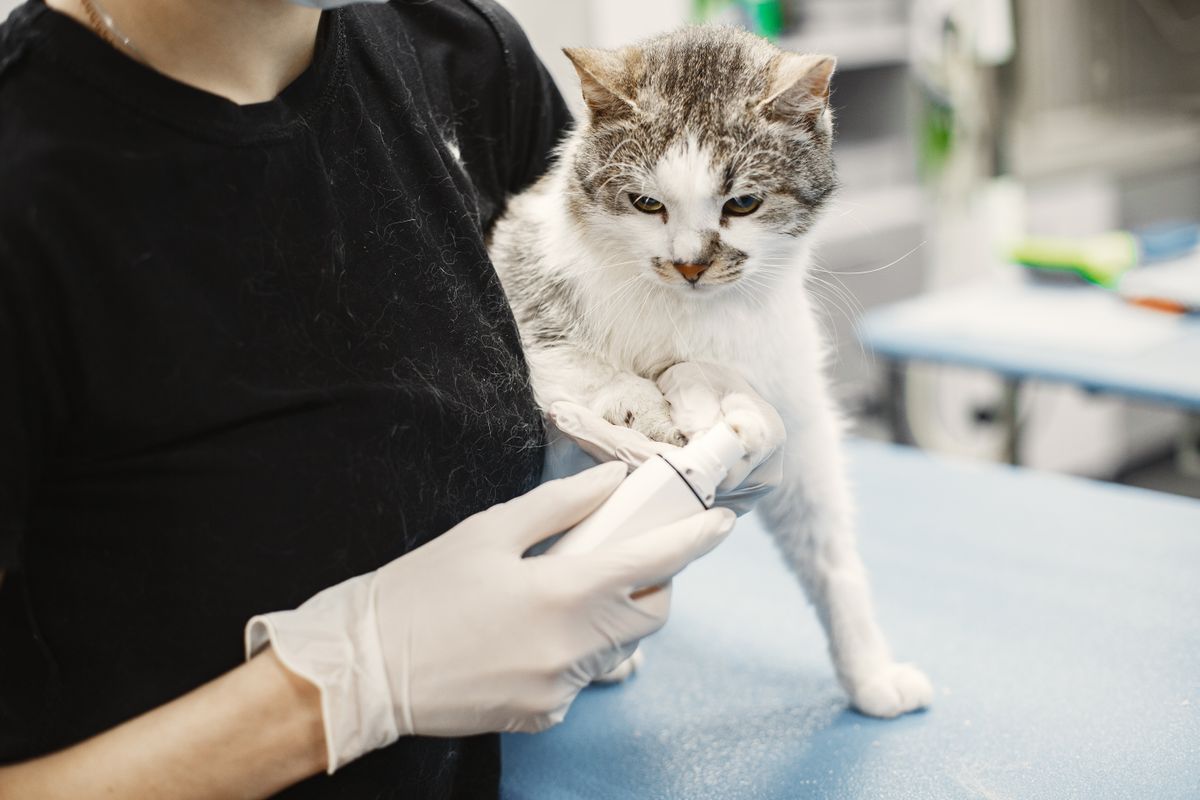
A cat seizure can be alarming, but understanding the signs and what to do helps you respond calmly. Seizures are episodes of abnormal brain activity that can look dramatic, yet many are manageable with prompt veterinary care and routine monitoring. In most cases, a single episode is not a sign of something life-threatening, but repeated events or seizures lasting longer than a few minutes require urgent assessment. By knowing how to respond and what to expect from diagnosis and treatment, you can support your cat’s health and reduce the risk of injury during episodes.
Understanding cat seizure: what it means
A cat seizure is a temporary burst of abnormal electrical activity in the brain. Seizures can manifest differently from one cat to another, but most involve a loss of control with altered awareness or movement. Some cats stare blankly, others fall or twitch, and a few vocalize or salivate excessively. Distinguishing a seizure from fainting (syncope) or a simple tremor is important, because the underlying causes and the urgency of care differ.
- Seizures may be isolated or part of a broader neurological condition.
- Epilepsy in cats is less common than in dogs, but it does occur and often requires ongoing management.
- Quick veterinary assessment helps determine if the event is due to a treatable metabolic issue, a structural brain problem, or an idiopathic (unknown) cause.
If you’re curious about broader pet health topics, you might also explore related posts on heartworm-in-dogs, cat-throwing-up-food, arthritis-in-dogs, and dog-hot-spots to understand how systemic health can impact behavior and well-being.
Common causes of cat seizure
Seizures arise from disturbances in brain function, which can stem from several sources. Understanding these categories helps you describe episodes clearly to your veterinarian.
- Idiopathic epilepsy: In some age ranges, cats have recurrent seizures with no detectable brain lesion or systemic illness.
- Structural brain disease: Brain tumors, abscesses, vascular events, or trauma can trigger seizures.
- Metabolic and systemic disorders: Hypoglycemia, liver disease (hepatic encephalopathy), kidney failure, electrolyte imbalances, or rarely severe fever.
- Toxins and poisons: Chocolate, lilies, xylitol-containing products, certain plants, pesticides, and antifreeze are classic triggers.
- Infections and inflammatory conditions: Meningoencephalitis, toxoplasmosis, or other infectious/inflammatory diseases can provoke seizures.
- Age-related or concurrent disease: Conditions such as hyperthyroidism in older cats may contribute to seizure risk indirectly through systemic stress.
- Fever-related seizures: Especially in kittens, high fever can precipitate short episodes.
Recognizing symptoms and immediate steps
Symptoms vary, but being prepared can reduce danger during an episode. Some cats have a brief, subtle event, while others experience more dramatic signs.
- Common signs during a seizure:
- - Stiffness or collapse (tonic phase)
- - Jerking, paddling, or tremors (clonic phase)
- - Drooling, foaming at the mouth, or facial twitching
- - Glassy or unfocused stare, altered awareness
- - Involuntary urination or defecation
- After the seizure:
- - Confusion or disorientation for several minutes
- - Temporary weakness or sleepiness
- - Slow, lazy behavior as the brain recovers
What to do during an episode: - Stay calm and protect your cat, but do not restrain or place your fingers in the mouth. - Time the seizure from start to finish; note the sequence and any triggers you observed. - Move hazards away (stairs, sharp objects, heavy furniture) and cushion their head with a folded blanket. - Do not attempt to give food, water, or medicine until the cat is fully awake. - If the seizure lasts longer than 5 minutes, or if another seizure starts soon after, seek urgent veterinary care. - If your cat has a known chronic condition, contact your veterinarian promptly after the episode for guidance.
When to seek urgent care: - Seizures lasting more than 5 minutes. - Multiple seizures without a full recovery between episodes. - Seizures accompanied by vomiting, collapse, trouble breathing, or a suspected head injury. - A first-ever seizure in an older cat or a cat with known brain disease.
Diagnosis and treatment options
Diagnosis is tailored to the individual and begins with a thorough history and physical examination. Your veterinarian will want to know how often seizures occur, how long they last, and whether there are warning signs or triggers.
- Diagnostic steps:
- - Comprehensive blood work to assess liver and kidney function, electrolytes, glucose, and thyroid status.
- - Blood pressure measurement and urinalysis.
- - Neuro exam to localize where in the nervous system the issue may originate.
- - Brain imaging (MRI or CT) if a structural problem is suspected.
- - Cerebrospinal fluid (CSF) analysis in specific cases to check for infection or inflammatory disease.
- - Infectious disease testing (as indicated by age, breed, or exposure).
- Treatment approaches:
- - Emergency management for active seizures (in a hospital setting): benzodiazepines such as diazepam or midazolam are commonly used to abort the episode.
- - Long-term anti-seizure medications: cats may be treated with drugs such as levetiracetam (Keppra), phenobarbital, zonisamide, or, in some cases, potassium bromide. Dosing is individualized, and regular blood tests help monitor for side effects.
- - Address underlying conditions: treatment depends on the root cause, whether it’s liver or kidney disease, thyroid issues, infections, or exposure to toxins.
- - Regular follow-up: many cats require ongoing evaluation and adjustment of medications to balance seizure control with quality of life and side effects.
- What to expect:
- - Some cats respond well to one medication; others require combination therapy or a change in management plan.
- - Mild side effects—such as sedation or changes in appetite—are common and typically monitored by your vet.
- - In cases where seizures are due to a reversible condition, addressing the underlying disease can reduce or stop seizure activity.
Prevention and daily care
- Minimize toxins at home: keep lilies, chocolate, xylitol products, and harmful plants out of reach.
- Manage chronic illnesses: consistent treatment for liver, kidney, thyroid, or infectious diseases can reduce seizure risk.
- Safety-first home environment: use cat-safe furniture, secure wires, and remove hazards that could cause injury during a seizure.
- Routine monitoring: track seizure frequency, duration, and any potential triggers in a simple diary.
- Regular veterinary care: annual or more frequent checkups help catch changes early and adjust treatment as needed.
- Nutrition and enrichment: a balanced diet, weight management, and mental stimulation can support overall brain health.
- If your cat has a known seizure disorder, discuss long-term planning and emergency actions with your veterinarian. For broader pet health context, consider resources like cat-throwing-up-food for GI concerns or dog-hot-spots for skin-related care, which share practical care principles.
A brief note on prognosis: the outlook depends on cause, response to treatment, and overall health. Many cats with epilepsy or other seizure disorders live comfortable, active lives with appropriate management and veterinary supervision.
Conclusion
With careful observation, timely veterinary care, and a thoughtful treatment plan, many cats with seizures maintain good quality of life. Understanding the signs, knowing how to respond in the moment, and working closely with your veterinarian are your best tools when a cat seizure occurs. If you ever have questions about an event you’ve witnessed, your Waggle Vet team is here to help interpret symptoms and guide next steps in a compassionate, informed way.
Frequently Asked Questions
What is the first thing I should do if my cat has a seizure? Remain calm, protect your cat from injury, time the episode, and move hazards away. Do not restrain or place fingers in the mouth. After the seizure stops, contact your veterinarian for guidance, especially if it lasts more than a few minutes or recurs.
How long do cat seizures usually last? Most seizures in cats last from a few seconds to a couple of minutes. Prolonged events (longer than 5 minutes) or repeated seizures without recovery between them require urgent veterinary care.
Are seizures in cats an emergency every time? Not every seizure is an emergency, but a first-ever seizure, very long events, or any seizure with trauma, breathing difficulty, or loss of consciousness warrants prompt veterinary assessment or emergency care.
Can seizures in cats be prevented? Prevention focuses on managing underlying conditions, avoiding toxins, and keeping up with regular veterinary care. Some cats need ongoing anti-seizure medication to control episodes, while others may have seizures due to a reversible illness.
Are there home remedies for cat seizures? There are no proven home remedies to stop seizures. If a seizure occurs, focus on safety, time, and seeking veterinary care. Do not attempt to treat seizures with home medications unless advised by a veterinarian.
Still have questions?
Don't rely on Google if your pet is showing symptoms. Get a professional opinion in minutes.
Talk to a Vet Now