Cat Purring vs. Labored Breathing: How to Tell Them Apart
This distinction occasionally trips up newer cat owners because both purring and labored breathing can produce a rhythmic, somewhat vibrating sound coming from the chest area, and in a cat who's lying still, the two can momentarily seem similar if you're not looking at the full picture.
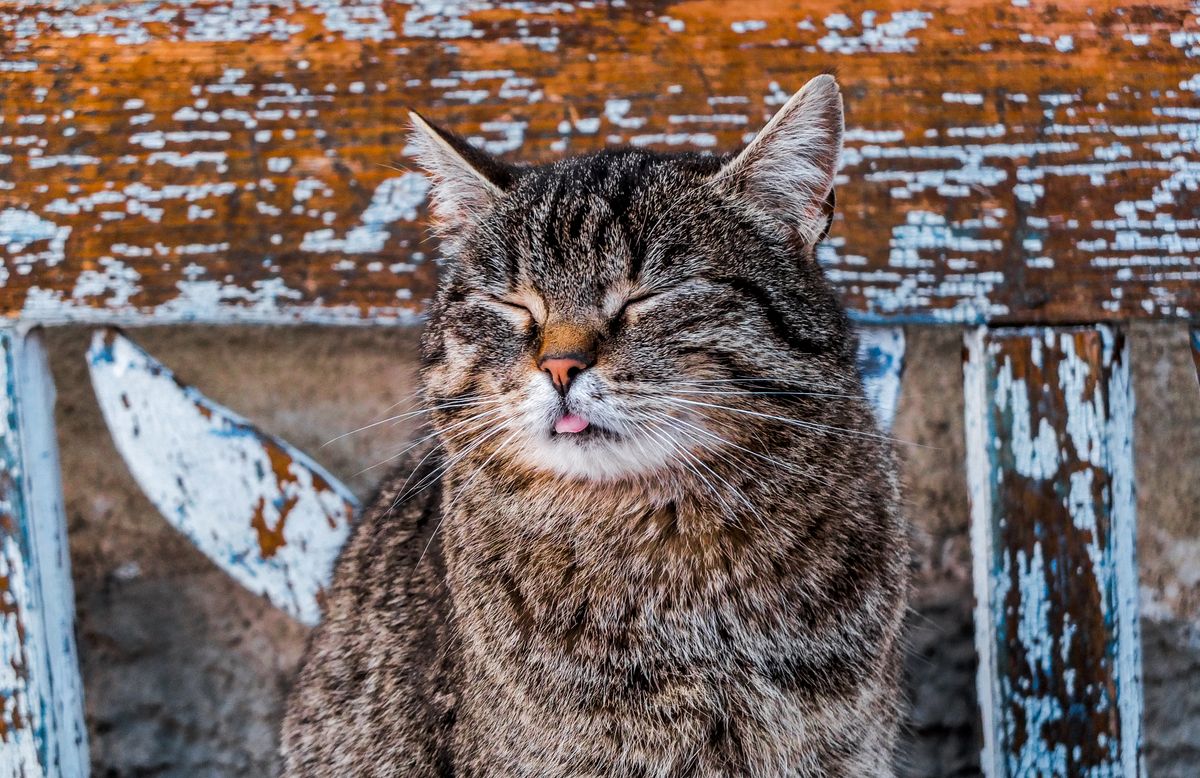
Context and body language make the difference clear once you know what to look for. A purring cat is typically relaxed — soft or half-closed eyes, a loose, comfortable body posture, often kneading, nuzzling, or otherwise showing contentment behaviors alongside the purr. The sound itself is smooth and continuous, without visible major effort in the chest or abdomen.
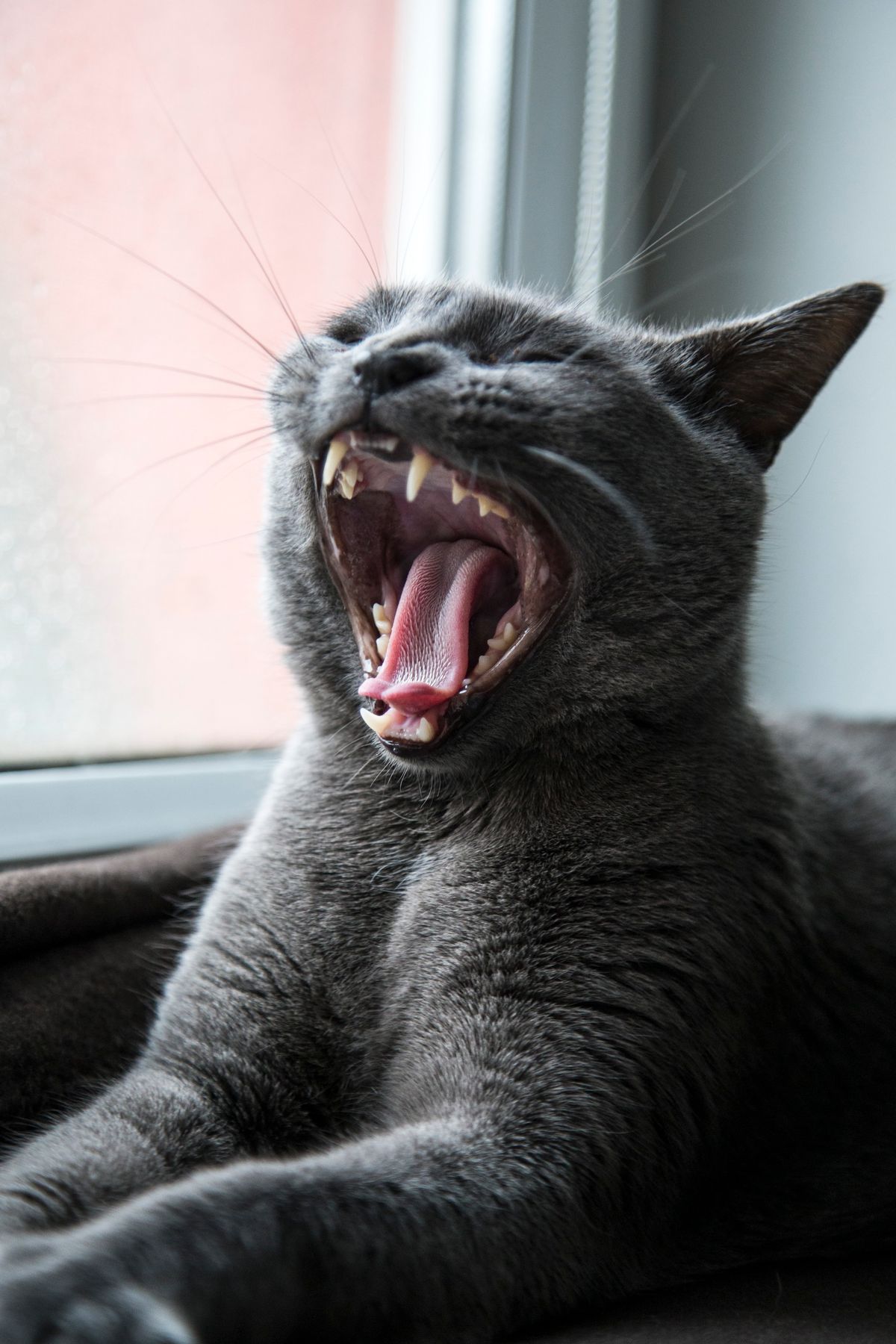
A cat in respiratory distress shows the opposite body language: a tense, often crouched posture, elbows out from the body to maximize chest space, wide or dilated pupils, and visible, often exaggerated movement of the chest and abdomen with each breath. The cat generally does not appear relaxed or content in any way, and other behaviors like kneading or nuzzling are absent.
What to do: If your cat is showing relaxed body language, soft eyes, and typical content behaviors alongside the sound, this is very likely a normal purr. If the posture is tense, crouched, or distressed, and especially if the mouth is open or breathing looks visibly effortful, treat this as a potential respiratory emergency rather than assuming it's a purr — when in doubt, the overall body language is the more reliable signal than the sound alone.
For the fuller picture on what true respiratory distress looks like in cats, here's a complete breakdown.
Still have questions?
Don't rely on Google if your pet is showing symptoms. Get a professional opinion in minutes.
Talk to a Vet Now