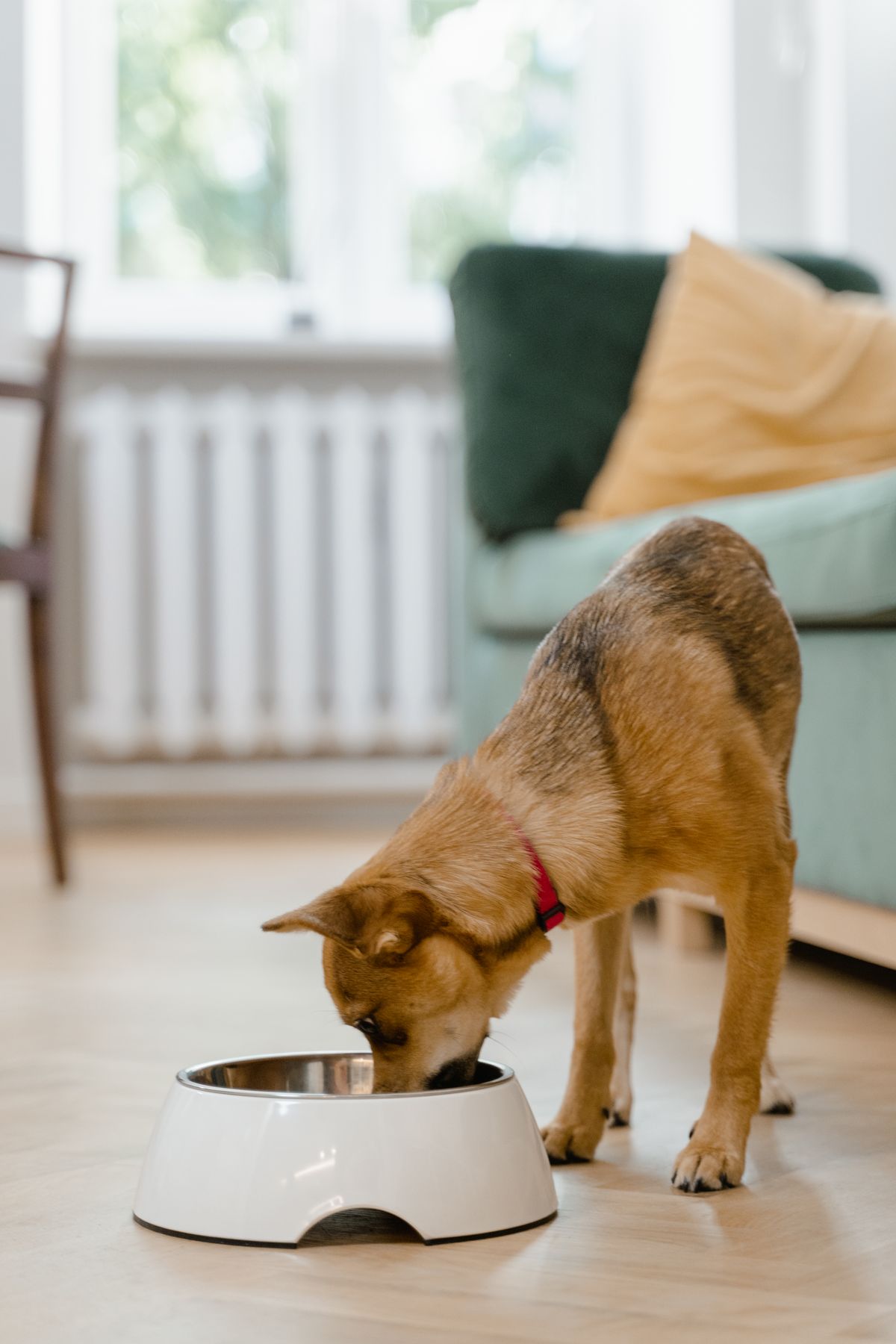
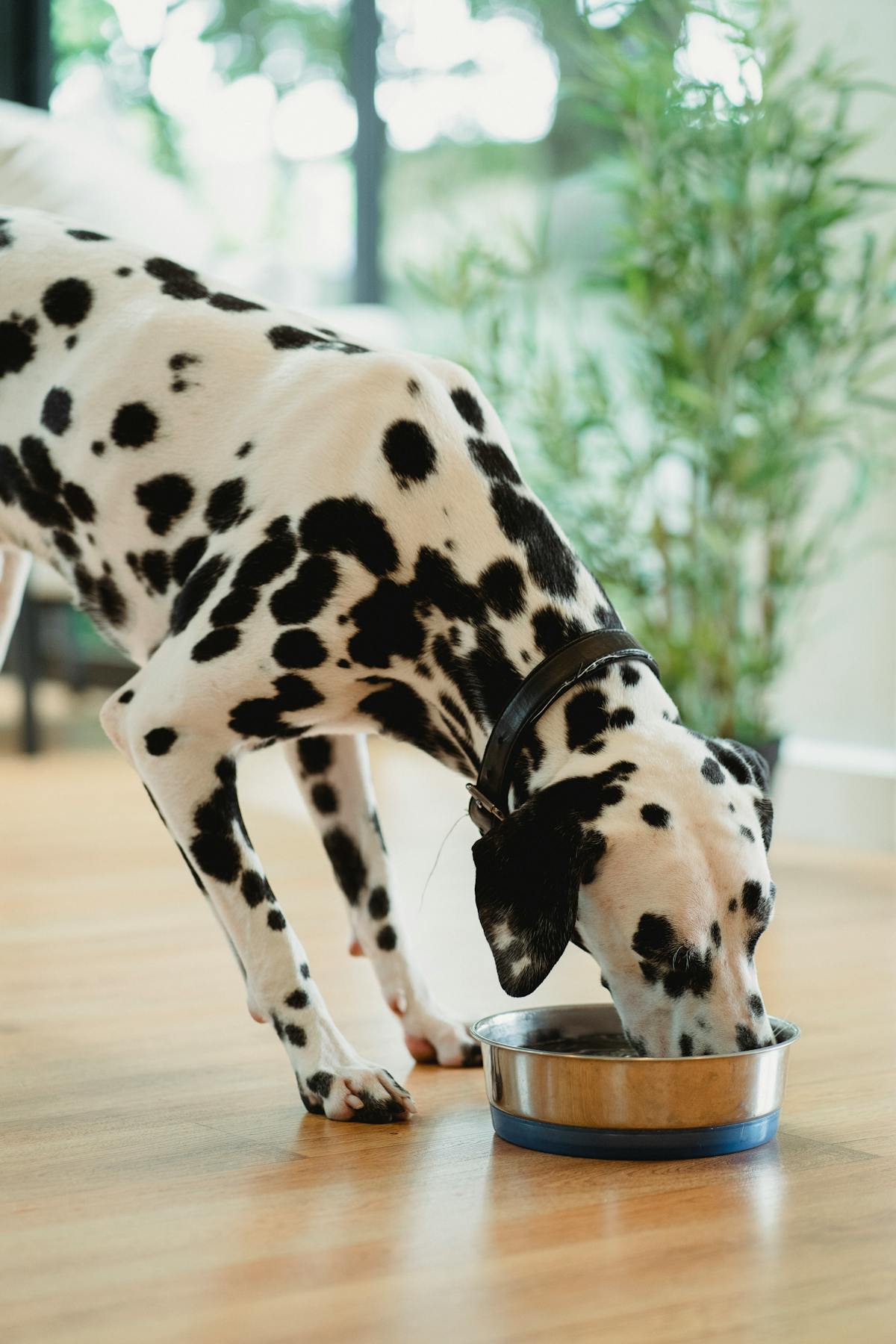
Dog Vomiting Right After Eating: Common Causes
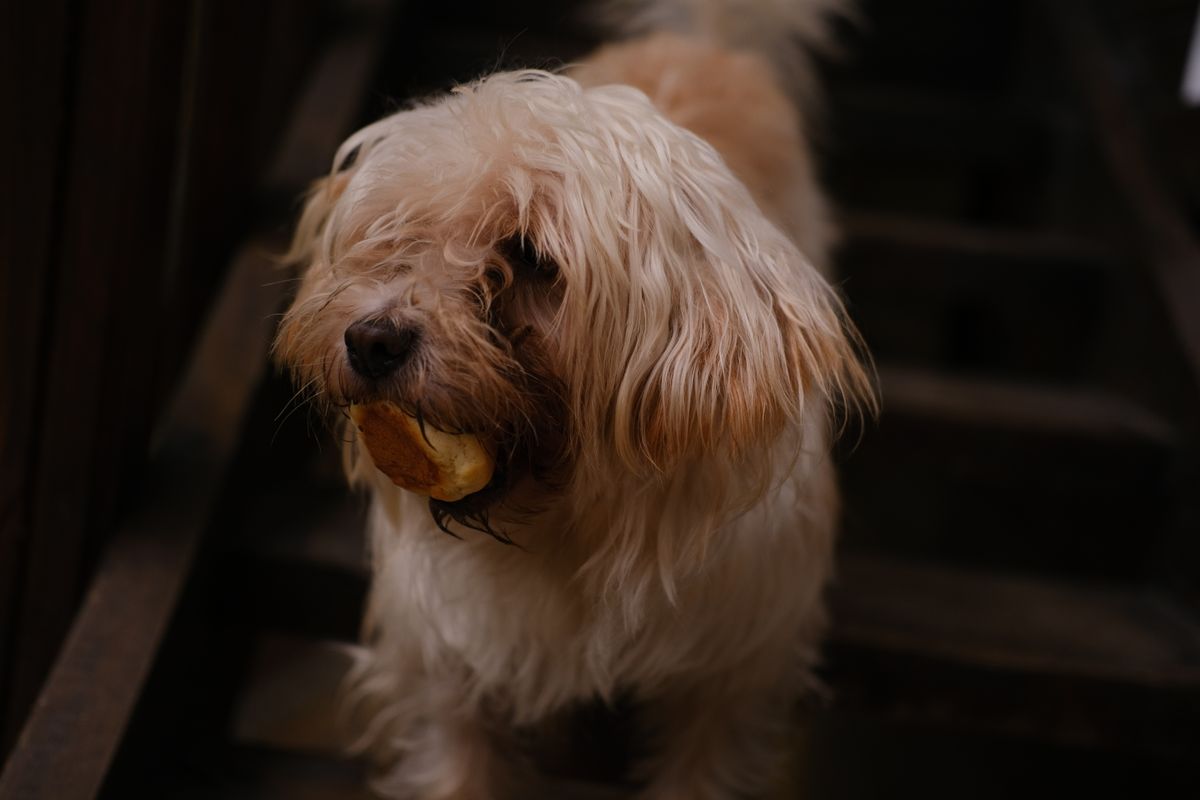
Bringing up undigested food within minutes to an hour of eating is a distinct pattern from vomiting hours later, and it points toward a different set of causes. The most common explanation, especially in food-motivated breeds, is simply eating too fast — the food goes down without being properly chewed, and the stomach essentially rejects the large, poorly-processed volume shortly after.
This is different from regurgitation, which is worth distinguishing: regurgitation is a passive process where undigested food comes back up with little effort or retching, often still shaped like a tube from the esophagus, and can indicate an esophageal issue rather than a stomach problem. True vomiting involves abdominal heaving and effort. Owners sometimes use the terms interchangeably, but the distinction actually matters for figuring out the cause.
Other causes of post-meal vomiting include food intolerances or sensitivities, sudden diet changes, and less commonly, a partial obstruction that allows some food through but causes vomiting once the stomach tries to process a full meal.
What to do: If this happens occasionally and seems tied to fast eating, slow-feeder bowls or puzzle feeders that force a slower pace often resolve the issue entirely — this is genuinely one of the more fixable causes of chronic vomiting. If it happens with every meal despite slowing down eating, or if you notice the regurgitation pattern described above (effortless, tube-shaped, undigested), it's worth a vet visit to look further.
If a swallowed object is a possibility given recent chewing habits, here's what that can look like and how it's typically handled.
Still have questions?
Don't rely on Google if your pet is showing symptoms. Get a professional opinion in minutes.
Talk to a Vet Now