Senior Dog Diarrhea: Extra Things to Watch For

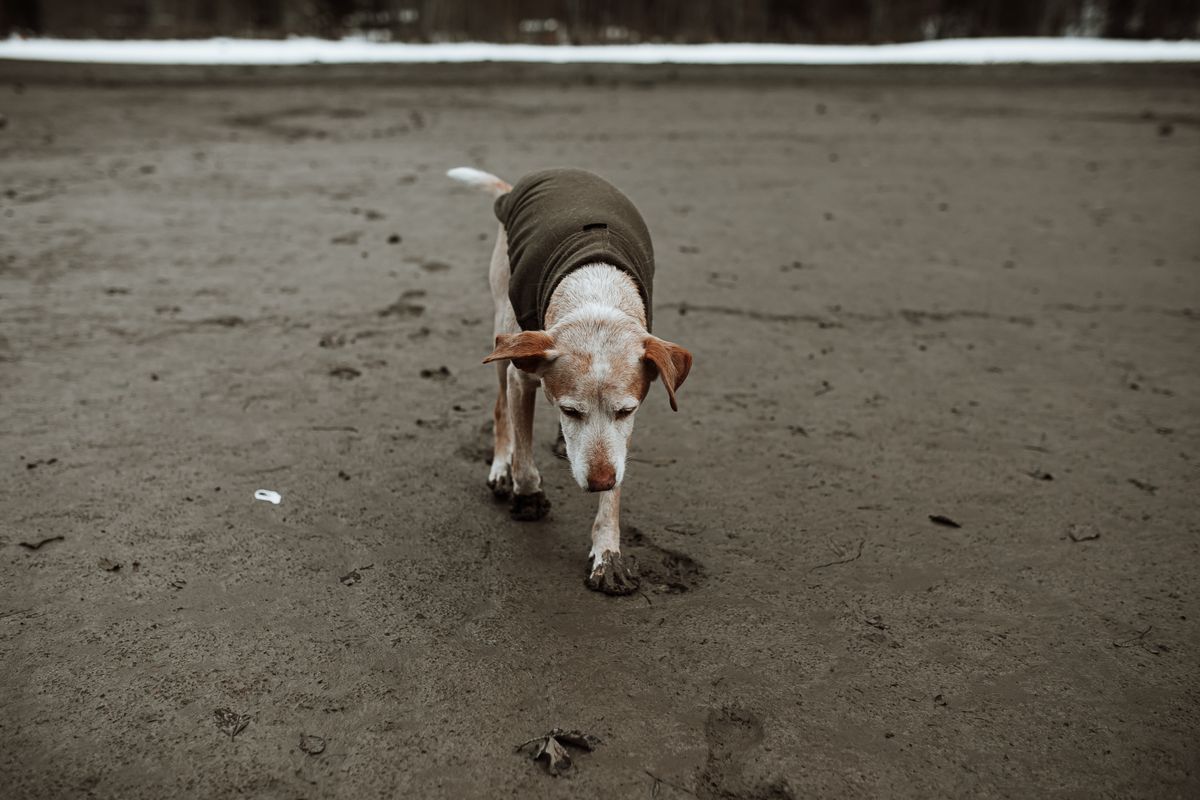
Older dogs get diarrhea for many of the same reasons younger dogs do — dietary indiscretion, stress, a food change — but the list of contributing factors expands with age. Medications commonly prescribed for senior dogs, particularly NSAIDs for arthritis and certain other long-term prescriptions, can affect the digestive tract and contribute to loose stool. Age-related conditions affecting the pancreas, liver, or kidneys can also present with diarrhea as one of several symptoms.
Senior dogs are sometimes managing more than one health issue simultaneously, which makes it harder to attribute a new symptom to a single clear cause without actually checking in with a vet — what looks like simple diarrhea could be connected to a medication adjustment that's needed, or could be entirely unrelated and just a passing stomach bug.
Watch for diarrhea combined with weight loss, changes in thirst or urination, decreased appetite, or reduced energy — any of these alongside diarrhea in a senior dog points toward something worth a full check-in rather than at-home monitoring alone.
What to do: A single, mild episode in an otherwise well senior dog can often be watched for a day with a bland diet, similar to a younger dog. But given the wider range of underlying possibilities at this age, a lower threshold for checking in with a vet is reasonable, especially if your dog is on regular medication or diarrhea persists beyond a day or two.
For a related look at how age changes the risk calculus with a different GI symptom, here's more on vomiting specifically in senior dogs.
Still have questions?
Don't rely on Google if your pet is showing symptoms. Get a professional opinion in minutes.
Talk to a Vet Now