Dog Breathing Fast While Sleeping: Normal or Not?
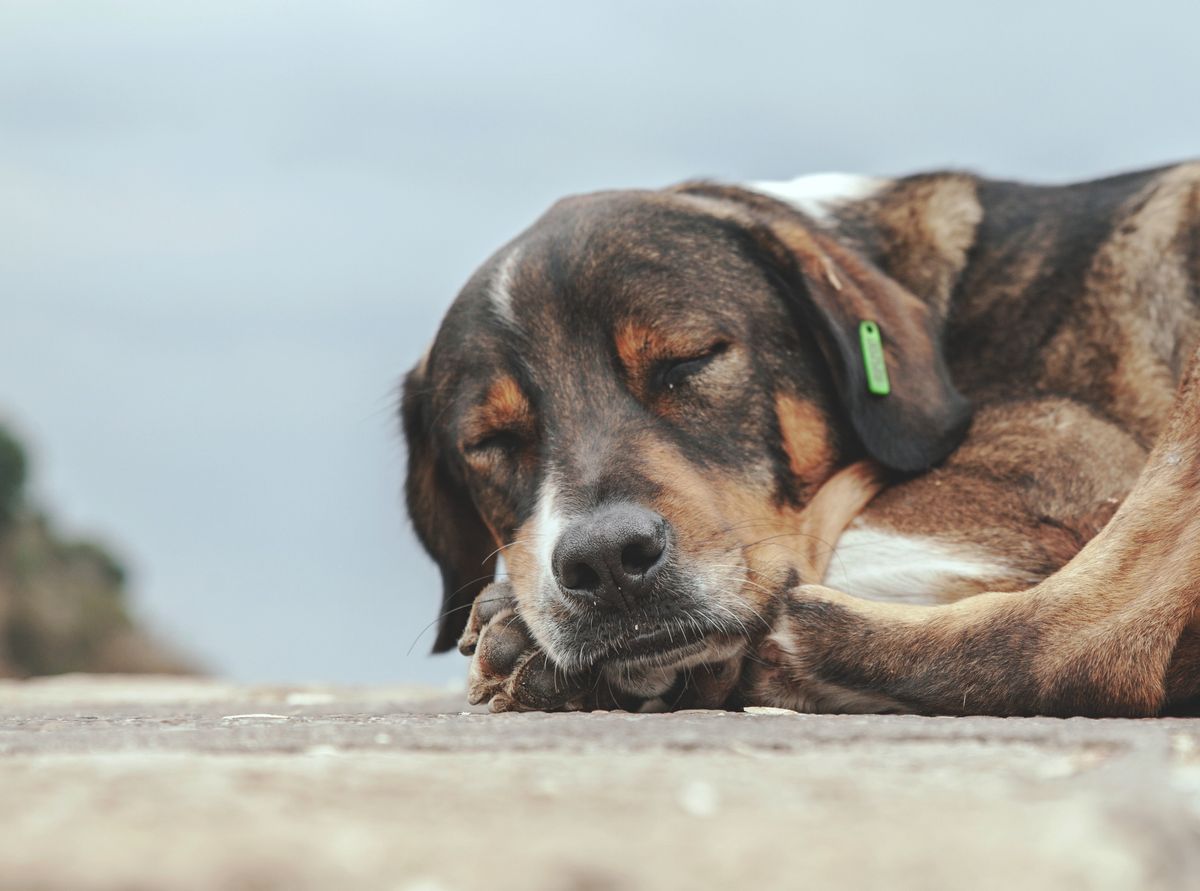
Brief episodes of faster breathing, twitching, or soft vocalizing during sleep are normal and generally associated with dreaming — dogs cycle through sleep stages similarly to humans, and REM-stage dreaming can produce these temporary changes without anything being wrong. These episodes are typically short and the dog returns to normal, slower breathing shortly after.
What's different, and worth tracking, is a sleeping respiratory rate that's consistently elevated over an extended period, not just brief, isolated episodes tied to obvious dreaming. Vets often specifically recommend checking a dog's sleeping respiratory rate, particularly for dogs being monitored for or at risk of heart disease, because sleep is when the body is most at rest and any elevation is most likely to reflect a true underlying issue rather than excitement, temperature, or recent activity.
A normal sleeping respiratory rate is generally similar to or slightly lower than a normal resting-awake rate, often in the range of 10-30 breaths per minute depending on the individual dog. A consistent rate above roughly 30-35 during sleep, or a rate that's clearly increased from what's normal for your specific dog, is the pattern worth flagging.
What to do: If you notice occasional brief fast breathing tied to obvious dreaming (twitching paws, soft vocalizing) that resolves quickly, this is normal. If your dog's sleeping respiratory rate seems consistently elevated over days or weeks, especially in a dog with any heart disease risk factors, count and track it a few times and bring the information to a vet — this specific data point is genuinely useful for catching developing heart issues early.
For the broader picture on tracking resting respiratory rate, here's more detail on how and why.
Still have questions?
Don't rely on Google if your pet is showing symptoms. Get a professional opinion in minutes.
Talk to a Vet Now