Breathing Changes During Heatstroke: A Critical Sign

Breathing changes are one of the earliest and most trackable signs as heatstroke develops and progresses, making them genuinely useful to watch closely if you suspect your dog is overheating, whether from being left in a hot vehicle, exercising in high heat, or simply struggling in warm weather without adequate cooling.
Early heatstroke typically shows as heavy, rapid panting beyond what would be expected for the activity or temperature level — noticeably more intense than a dog's normal cooling response. As heatstroke progresses and the body's core temperature continues climbing, breathing often becomes visibly more labored and distressed rather than simply fast — deeper, more effortful breaths, sometimes with an open, wide mouth and extended tongue, and eventually, in severe cases, breathing can become irregular or the dog may show signs of respiratory distress alongside collapse, disorientation, or vomiting.
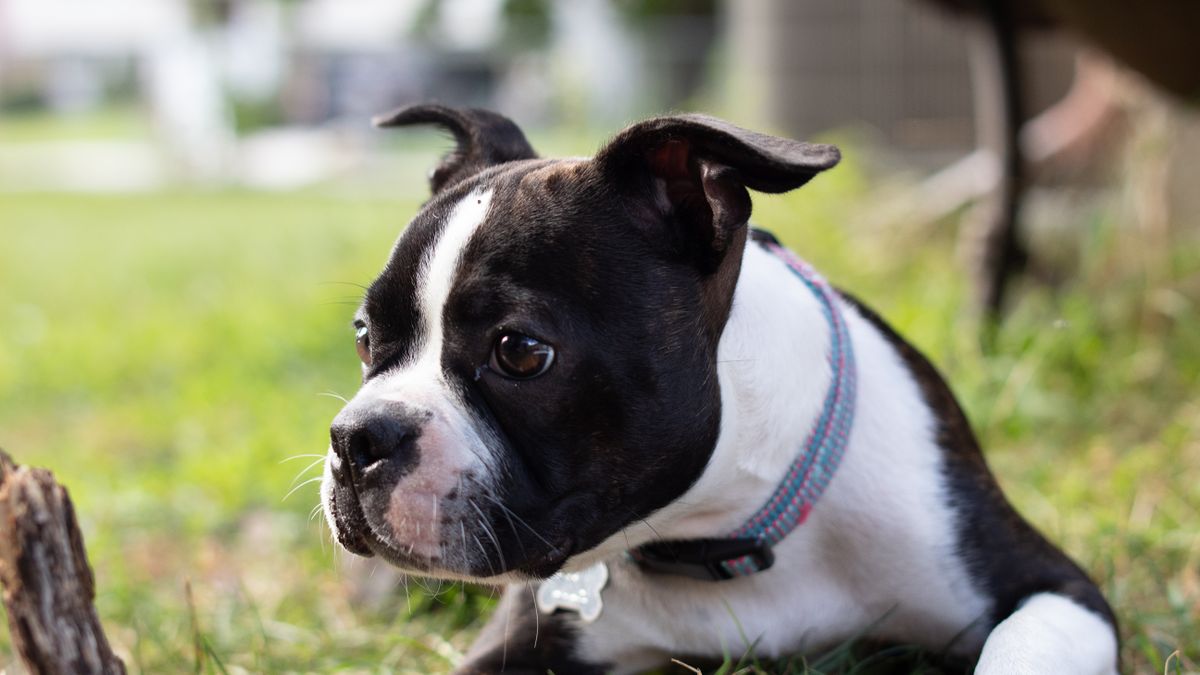
Brachycephalic breeds are at significantly elevated risk given their already-compromised airways, and heatstroke can progress faster and more severely in these breeds than in others facing the same temperature and exertion level.
What to do: If you notice breathing that's shifted from heavy panting to something more labored, distressed, or irregular in a dog you suspect is overheating, treat this as a critical emergency sign — begin cooling with room-temperature (not ice-cold) water while getting to a vet immediately, since heatstroke damage continues internally even as external cooling begins. Blue or pale gums alongside these breathing changes signal the situation has become critical.
For a full real account of how a heatstroke emergency unfolded and was managed, here's the complete story.
Still have questions?
Don't rely on Google if your pet is showing symptoms. Get a professional opinion in minutes.
Talk to a Vet Now