Tick Removal for Dogs: Step-by-Step Safe Instructions
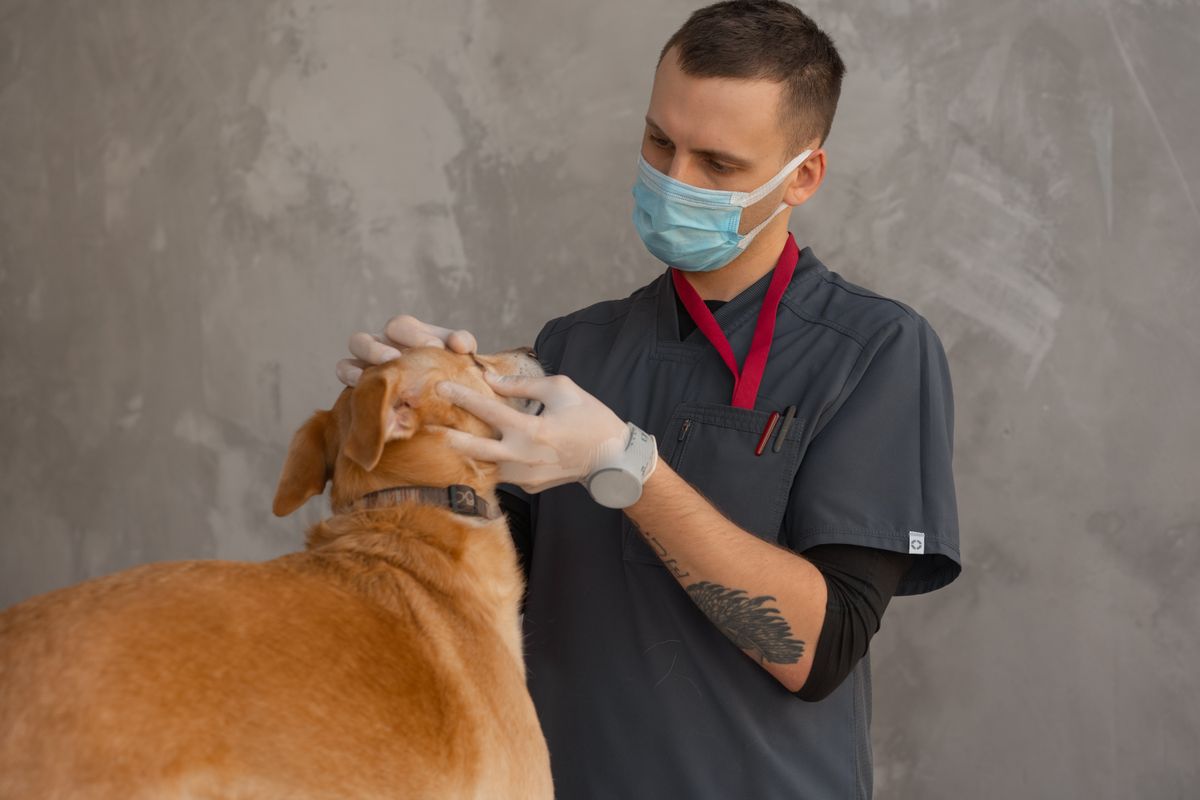
Tick bites are a common risk for dogs, and knowing how to perform tick removal dog safely can prevent infection and complications. Being prepared with the right tools and a calm plan helps you act quickly and confidently, reducing stress for you and your pup.
Why tick removal dog safety matters
Ticks can carry bacteria and parasites that cause illnesses such as Lyme disease, anaplasmosis, and tick-borne ehrlichiosis. Safe removal minimizes the chance of mouthparts staying embedded, which can irritate the skin or trigger a secondary infection. Using proper technique also protects you from being bitten or scratched if your dog is startled or anxious. Regular, gentle inspections after outdoor time can catch ticks early, before they become a bigger problem.
Tools you'll need for tick removal
- Fine-tipped tweezers or a dedicated tick-removal tool
- Gloves (optional but helpful)
- Rubbing alcohol or antiseptic
- Cotton ball or gauze
- Small container or sealable bag for the tick
- Flushable wipes or soap and water for hands
- A calm, secure space to work
Having these items ready before you spot a tick makes the process faster and safer for your dog.
Step-by-step: how to remove a tick from a dog
-Remain calm and reassure your dog. Approach gently and have someone help if your dog is nervous. -Identify the tick’s position and make sure you have a clean grip as close to the skin as possible with your tweezers. -Do not squeeze the tick’s body. Grasp it firmly at the mouthparts where it meets the skin. -Pull upward with steady, constant pressure for 20–30 seconds. Avoid jerking or twisting, which can leave mouthparts embedded. -If the tick remains embedded, try again with a new grip closer to the skin. Do not crush the tick. -Once removed, clean the bite area with antiseptic and wash your hands. -Place the tick in a sealed container or bag for possible identification by your veterinarian if you notice symptoms later. -Watch the area over the next several days for redness, swelling, or signs of infection. If you see fever, lethargy, limping, or poor appetite, contact your veterinarian promptly. -Dispose of the tick by flushing it down the toilet or sealing it in the trash, then wash your tools with alcohol or soap and water.
Tips to avoid common mistakes: - Do not use petroleum jelly, nail polish, or heat to detach the tick. - Do not attempt to crush the tick while still on the skin. - Do not yank the tick out if you cannot get a good grip; reassess and try again, or seek vet assistance.
Aftercare and monitoring
- Clean the site gently with soap and water or an antiseptic wipe.
- Monitor for signs of infection at the bite site: redness that expands, swelling, or discharge.
- Check your dog’s fur for any remaining mouthparts or other ticks in the days following exposure.
- Consider recording the date and location of the bite, especially if your dog hunts outdoors or frequents wooded areas.
- Schedule a vet visit if non-healing redness persists after 48–72 hours, or if your dog develops fever, lameness, loss of appetite, or behavioral changes.
Preventive strategies to reduce tick encounters: - Regularly inspect your dog after outdoor activities, especially in wooded or grassy areas. - Use veterinarian-approved flea and tick preventives as directed for your dog’s species, size, and risk level. - Keep your yard trimmed and remove leaf litter where ticks can hide. - Discuss with your veterinarian whether a tick collar or oral preventive is right for your dog, particularly if they spend time in tick-prone regions.
Common mistakes to avoid
- Failing to remove the mouthparts completely, which can cause local irritation or infection.
- Using all-purpose tools that aren’t designed for careful tick removal.
- Not washing hands or cleaning tools afterward, risking cross-contamination.
- Delaying removal when you feel unsure or overwhelmed; quick, calm action is safer for both you and your dog.
- Ignoring signs of illness after tick exposure; even a single tick bite can warrant vet guidance.
Conclusion
Being prepared and practicing proper tick removal dog technique helps protect your dog from tick-borne illnesses while keeping you both safe and confident. After removal, ongoing monitoring and preventive care are key to reducing future tick encounters. If you’re ever unsure about the bite location or your dog’s reaction, a quick telehealth consult can provide guidance tailored to your pet’s needs.
Frequently Asked Questions
How soon should I remove a tick after noticing it on my dog? Prompt removal is best. The longer a tick remains attached, the higher the risk of disease transmission. If you can remove it safely within minutes, do so; otherwise, seek veterinary assistance to ensure complete removal.
Can I use a matches, petroleum jelly, or boiling water to remove ticks? No. These methods can irritate the skin, cause the tick to regurgitate, or fail to remove mouthparts properly. Use fine-tipped tweezers or a dedicated tick-removal tool and follow a steady upward pull.
What if the tick’s mouthparts stay in the skin after removal? Small fragments can sometimes remain embedded. Clean the area and monitor closely for infection. If redness, swelling, or discharge develops, contact your veterinarian for guidance. They may examine the site and remove any remaining parts if needed.
When should I contact a veterinarian after tick removal? If your dog shows fever, lethargy, loss of appetite, lameness, swelling, or persistent redness at the bite site within a few days, seek veterinary care. Also consult your vet if you’re unsure whether the tick was fully removed.
How can I prevent ticks on my dog year-round? Use veterinarian-approved preventives, perform regular tick checks after outdoor activities, and manage your yard to reduce tick habitats. Discuss with your vet about an ongoing preventive plan tailored to your dog’s lifestyle and local tick species.
Still have questions?
Don't rely on Google if your pet is showing symptoms. Get a professional opinion in minutes.
Talk to a Vet Now