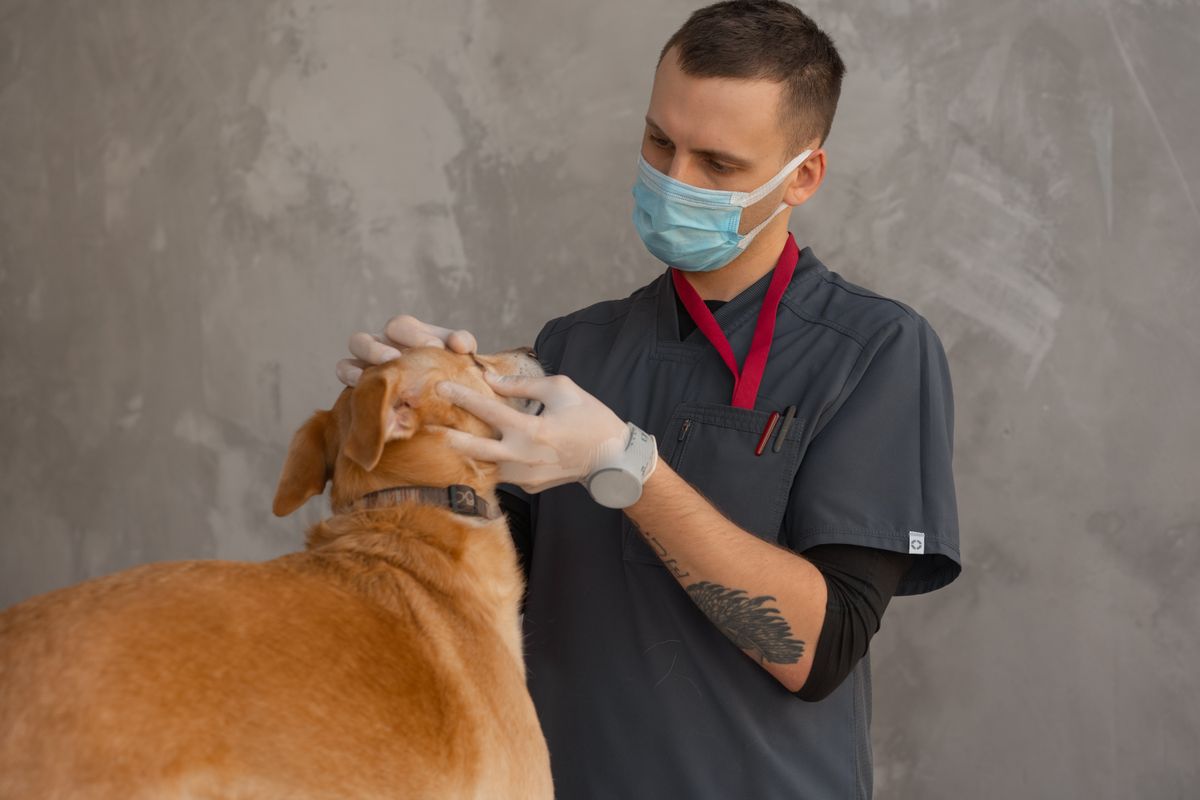
Ask a Vet Online: How to Get Reliable Answers Fast

Reliable pet health advice matters when timing is everything. When your pet shows signs of illness or discomfort, many owners turn to ask a vet online for quick, trustworthy guidance. This approach can help you decide whether you can monitor at home, start first-aid steps, or seek urgent care. For new kitten owners, practical tips and clear triage help are especially valuable—see how-to-care-for-a-kitten and kitten-care for basics, and turn to online support if you’re unsure about what you’re seeing.
Why ask a vet online matters
- Faster access to professional input, especially after hours or in areas with limited local options.
- An opportunity to describe symptoms, share photos or videos, and get a preliminary assessment without leaving home.
- A bridge to in-person care when a situation isn’t urgent but still needs a clinician’s eye.
What online veterinary care can (and cannot) do
- Can triage and guide immediate steps to take at home.
- Can help you decide whether to monitor, schedule a same-day visit, or go to urgent care.
- Does not replace a physical exam in cases requiring hands-on assessment, blood work, imaging, or procedures.
How online vet consultations work
- Step 1: Describe the pet’s symptoms, age, and health history, and upload any photos or videos.
- Step 2: A licensed veterinarian reviews the information and may ask clarifying questions.
- Step 3: Receive an assessment, triage guidance, and a care plan (home care, medications, or when to seek in-person care).
- Step 4: Follow up if symptoms change or worsen, or to share new information.
This workflow mirrors what you’d expect from services that provide real-time input and written summaries you can share with your primary vet. It’s especially useful when you want to keep your pet comfortable at home while getting professional direction. If you’re unsure how to describe what you’re seeing, start with a photo or short video—movement and breathing patterns often reveal more than words alone.
What to expect from reliable online guidance
When evaluating online advice, look for transparency about the clinician's credentials, clear triage language, and practical, veterinarian-approved next steps. A trustworthy service will also emphasize when to seek urgent, in-person care.
- Symptoms to monitor and document:
- - Vomiting or diarrhea that lasts more than 24 hours
- - Lethargy, weakness, or confusion
- - Rapid breathing, coughing, choking, or blue-tinged gums
- - Severe pain, collapse, or inability to walk
- - Ingestion of toxins (antifreeze, chocolate, plants, household chemicals)
- Information to have ready:
- - Your pet’s age, weight, and recent medical history
- - Current medications and any known allergies
- - Last vet visit date and vaccination status
- - Onset date and progression of symptoms
- - Photos or video of skin issues, discharge, or movement
- Quick steps you can take while waiting for guidance:
- - Keep a calm environment and limit activity
- - Remove access to potential toxins or hazards
- - Offer small amounts of water or a bland food if not vomiting
- - Note any changes in appetite, urination, or stool pattern
If your pet is a kitten, specific triage criteria differ slightly. You may need more frequent heating checks, careful monitoring of feeding tolerance, and timely vet contact if there’s any sign of lethargy or failure to thrive. For broader puppy and dog care basics, you might also find value in related resources like tick-removal-dog for safe removal techniques and general canine wellness tips.
What to look for in a high-quality online veterinary service
- Clear statements of licensure and credential verification for all clinicians.
- Transparent privacy practices and secure handling of medical information.
- A prompt, knowledgeable response time and availability that fits your schedule.
- The ability to share a written care plan you can reference later, plus a means to follow up.
- Availability of integration with your regular veterinarian so information can be shared when appropriate.
If you’re looking for reputable, round-the-clock access to veterinary professionals, Waggle Vet offers online vet consultations that fit into busy lives and urgent moments alike. For owners seeking practical guidance now, consider starting with a trusted online consult to obtain immediate triage and a tailored plan.
CTA: If you need professional guidance right now, Waggle Vet’s online vet consultation service provides rapid access to licensed veterinarians who can help you interpret symptoms, outline first-aid steps, and set you on a clear care path. You can begin a chat or video consult in minutes, and you’ll receive a written plan you can share with your regular vet.
Concluding this approach, remember that online veterinary advice serves as a smart first step—not a replacement for in-person care when it’s warranted. If you’re unsure how to interpret what you’re seeing, you can always ask a vet online and then decide if a hands-on examination is necessary.
Frequently Asked Questions
How quickly can I expect a response when I ask a vet online?
Response times vary by service and time of day, but reputable platforms aim to provide initial triage within minutes to a couple of hours. For urgent emergencies, seek immediate in-person care or call your local emergency clinic.
Is online vet advice a substitute for an in-person exam?
Online guidance is a valuable triage and education tool, but it does not replace a physical exam if there are signs that require hands-on assessment, imaging, or laboratory tests. Use online advice to inform next steps and decide when to visit a clinic.
What information should I have ready before contacting a vet online?
- Pet basics: species, breed, age, sex, weight
- Medical history: prior illnesses, surgeries, chronic conditions
- Current medications and any allergies
- Detailed symptom description: onset, duration, severity, triggers
- Photos or videos of the issue, if helpful
Can online vet services handle emergencies?
Some services offer fast triage and guidance, but true emergencies require immediate transport to a veterinary hospital. If your pet is collapsed, not breathing, having seizures, or bleeding heavily, call emergency services right away.
How do I verify the vet’s credentials and the service’s privacy?
Look for licensing information, board-certified specialties when relevant, and a transparent privacy policy. Trustworthy platforms provide details about data protection, how records are stored, and how information is shared with your primary veterinarian if you consent.
Still have questions?
Don't rely on Google if your pet is showing symptoms. Get a professional opinion in minutes.
Talk to a Vet Now