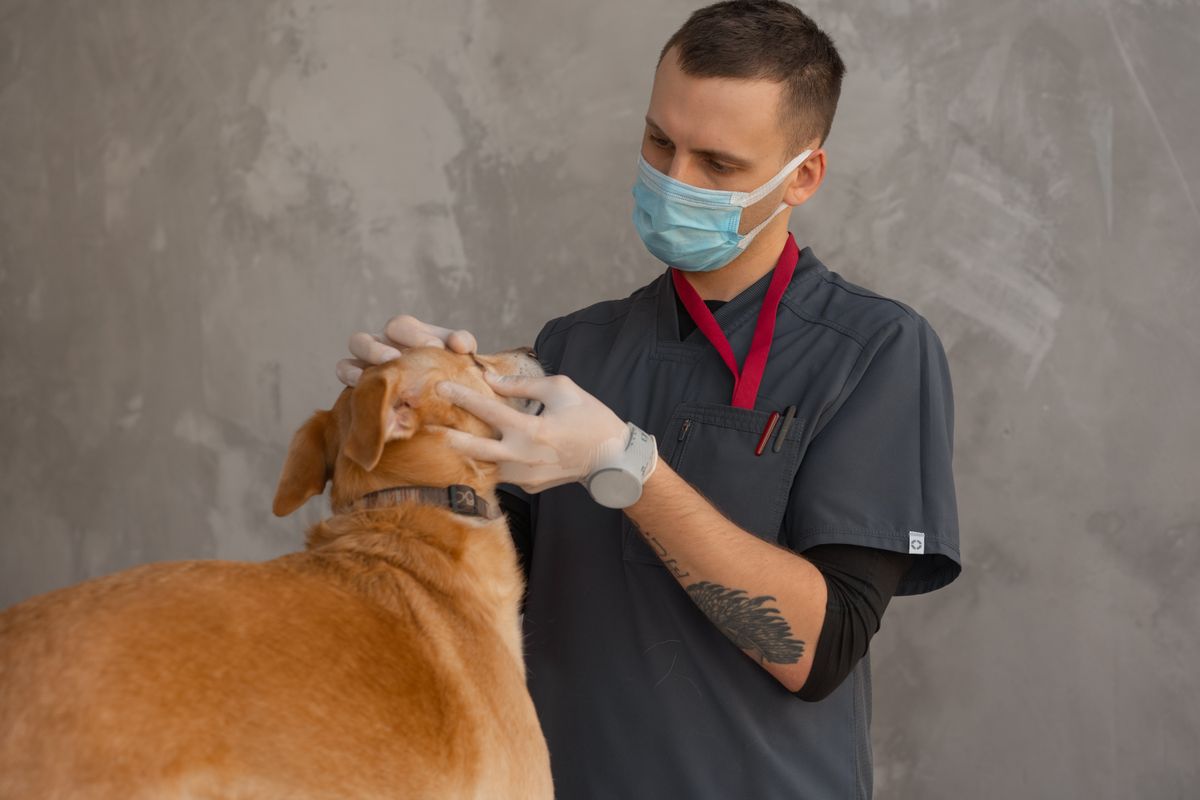
Ringworm in Dogs: How to Spot It, Treat It, and Stop the Spread

Ringworm in dogs is a common fungal infection that shows up as circular patches of hair loss, scaly skin, and mild itching. It’s caused by dermatophyte fungi, most often Microsporum canis, and it’s zoonotic, meaning people and other pets can pick it up from an affected dog. The name can be misleading—this is a fungus, not a worm. Understanding how ringworm in dogs presents, how it spreads, and how to manage it can help protect your dog, your family, and your home. This guide shares practical, veterinary-backed steps to spot, treat, and stop the spread.
What is ringworm in dogs?
Ringworm in dogs is a superficial fungal skin infection that targets the hair follicles and outer layer of the skin. While some dogs have noticeable lesions, others show only subtle changes, making early detection important. In addition to Microsporum canis, other dermatophytes like Microsporum gypseum and Trichophyton mentagrophytes can cause similar signs. The infection is contagious to other animals and people, especially children and those with weaker immune systems.
Causes - Dermatophyte fungi acquired from contaminated environments, infected animals, or grooming tools - Environmental spores that persist in bedding, crates, and carpets - Higher risk with puppies, kittens, outdoor or multi-pet households, and animals with weakened immunity
Spotting ringworm in dogs: signs to look for
Early, subtle signs are common. Look for any of the following, especially if several pets share space or you’ve recently added a new dog to the family.
- Circular or irregular hair loss patches with scaling or crusting
- Red, dry, or irritated skin around the patches
- Hair thinning around ears, face, or limbs
- Excessive shedding in affected areas
- Itching or rubbing to relieve discomfort
- Occasional secondary bacterial infection causing oozing or crusts
If you notice patchy hair loss or skin changes, even without itchiness, it’s worth a veterinary check. Early detection helps limit spread and makes treatment easier.
How ringworm spreads and who is at risk
Ringworm spreads through direct contact with an infected animal or indirectly via contaminated surfaces, grooming tools, or bedding. Spores can survive in the environment for months, so thorough cleaning is key.
- Direct contact with an infected dog, cat, or other animal
- Contact with contaminated bedding, brushes, collars, or kennels
- Prolonged exposure in communal areas (shelters, dog daycares, puppy classes)
- Younger dogs, old dogs, and those with other health issues are more susceptible
- In households with children or immunocompromised people, extra precautions are wise
Diagnosis and treatment options
A veterinarian will confirm ringworm with a combination of history, physical exam, and diagnostic tests. Tests may include fungal culture, PCR testing, and microscopic examination of skin scales or hair with a potassium hydroxide (KOH) prep. A Wood’s lamp can help in some cases, but it is not definitive for all dermatophytes.
Diagnosis methods - Skin scrapings and KOH prep to look for fungal elements - Fungal culture on dermatophyte test medium (DTM) - PCR testing to identify the organism - Wood’s lamp examination (fluorescence) when applicable
Treatment approaches - Localized disease: topical antifungals applied to affected areas, often with antiseborrheic or medicated shampoos to aid healing - Widespread disease or infections in multiple pets: systemic antifungals prescribed by a vet (common options include itraconazole or, less often, griseofulvin). Liver monitoring and dose adjustments may be necessary - Environmental decontamination: thorough cleaning of bedding, crates, floors, and grooming tools; regular vacuuming and washing with hot water - Pets in close contact with people at risk: coordinate treatment and follow infection-control guidelines to minimize human exposure - Social and lifestyle considerations: keep affected dog separated from high-risk individuals until veterinary guidance confirms the infection is under control
Important notes - Do not rely on home remedies alone. Ringworm requires veterinary diagnosis and, in many cases, prescription antifungal therapy. - Continue treatment for the full recommended period, even if the dog’s coat regrows, to prevent relapse. - Regularly check other pets and family members for signs, and wash hands after handling an affected animal.
Preventing spread and keeping the home safe
Prevention minimizes recurrence and protects people and other animals.
- Isolate the infected dog during active treatment as advised by your vet
- Use separate towels, brushes, and grooming tools for the infected dog
- Wash the dog’s bedding, toys, and crates regularly in hot water
- Vacuum frequently and dispose of vacuum bags promptly
- Disinfect surfaces with a veterinary-approved antifungal cleaner
- Dry pets thoroughly after baths or water exposure to reduce damp conditions that fungi favor
- Monitor all pets for new lesions and seek veterinary care promptly if signs appear
When to see a vet
Seek veterinary care promptly if you notice any suspicious skin changes, hair loss, or itching in your dog or other pets. Quick evaluation helps confirm whether it is ringworm and ensures appropriate therapy, reducing the risk to people in the household.
- New circular patches of hair loss or scaling
- Lesions that do not improve after a week of basic care
- Hair loss spreading to multiple body regions
- History of exposure to an infected animal or kennel environment
- The home includes young children, pregnant people, or immunocompromised individuals
Related reading and linked topics
For broader context on shared skin and infectious conditions, you may find these posts helpful: - how-to-potty-train-a-puppy - mange-in-dogs - lyme-disease-in-dogs - cat-coughing
Conclusion
Taking ringworm in dogs seriously and acting promptly protects your dog, your family, and your home. With veterinary guidance, you can use targeted antifungal treatment, effective environmental cleaning, and careful monitoring to resolve the infection while minimizing spread. By staying vigilant and following practical prevention steps, you reduce the chances of recurrence and keep ringworm in dogs from becoming a long-term concern in your household.
Frequently Asked Questions
What causes ringworm in dogs, and is it contagious to people? Ringworm in dogs is caused by dermatophyte fungi, most commonly Microsporum canis. It is contagious to people, especially children and those with weakened immune systems, so good hygiene and prompt treatment are important.
How long does treatment typically last? Treatment duration varies with severity and whether multiple pets are affected. Localized infections may respond in several weeks with topical therapy; more extensive cases often require systemic antifungals for several weeks to months, plus environmental decontamination.
Can I treat ringworm at home without a vet? Self-care should supplement, not replace, veterinary care. A vet can confirm the diagnosis and prescribe appropriate medications, monitor for side effects, and guide environmental cleaning. Some home measures may help, but professional treatment is usually needed.
Are my other pets at risk while we’re treating ringworm in dogs? Yes. Other pets can be infected or act as carriers. You should have all close-contact animals evaluated and follow prescribed cleaning and isolation steps to prevent cross-contamination.
Will my family be safe during treatment? Most people recover without complications with proper hygiene and veterinary guidance. Wash hands after handling the dog, avoid direct contact with lesions, and follow your vet’s instructions for environmental cleaning and disinfection.
Still have questions?
Don't rely on Google if your pet is showing symptoms. Get a professional opinion in minutes.
Talk to a Vet Now