Dog Snoring More Than Usual: When to Pay Attention

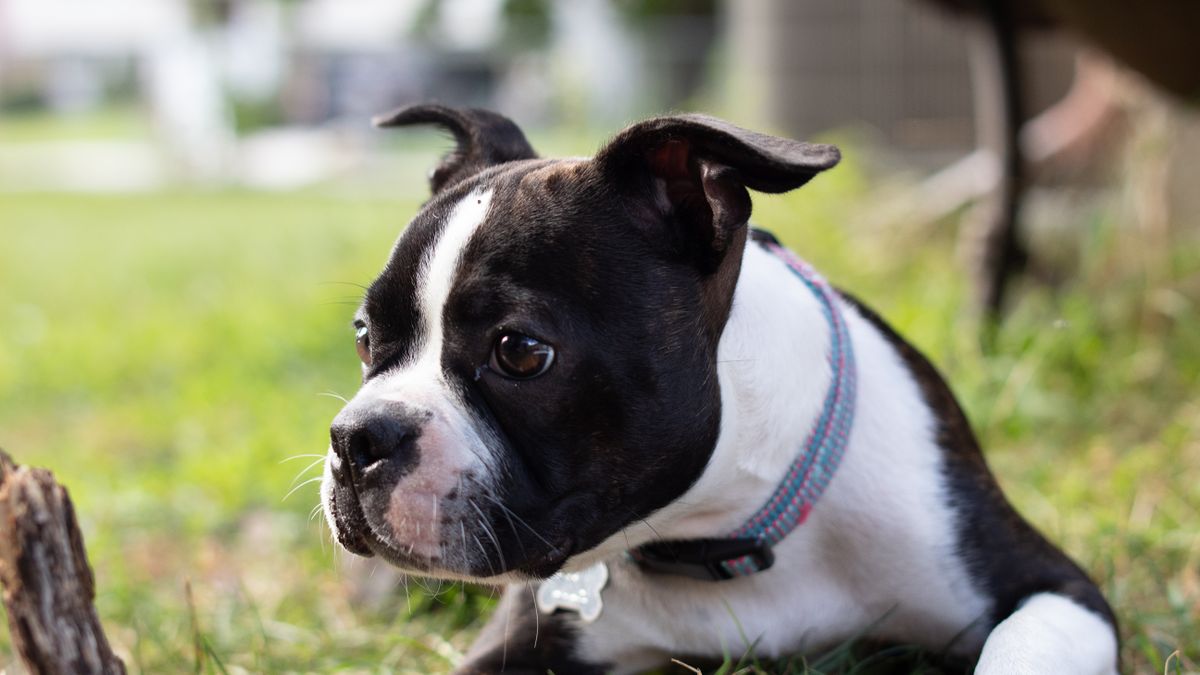
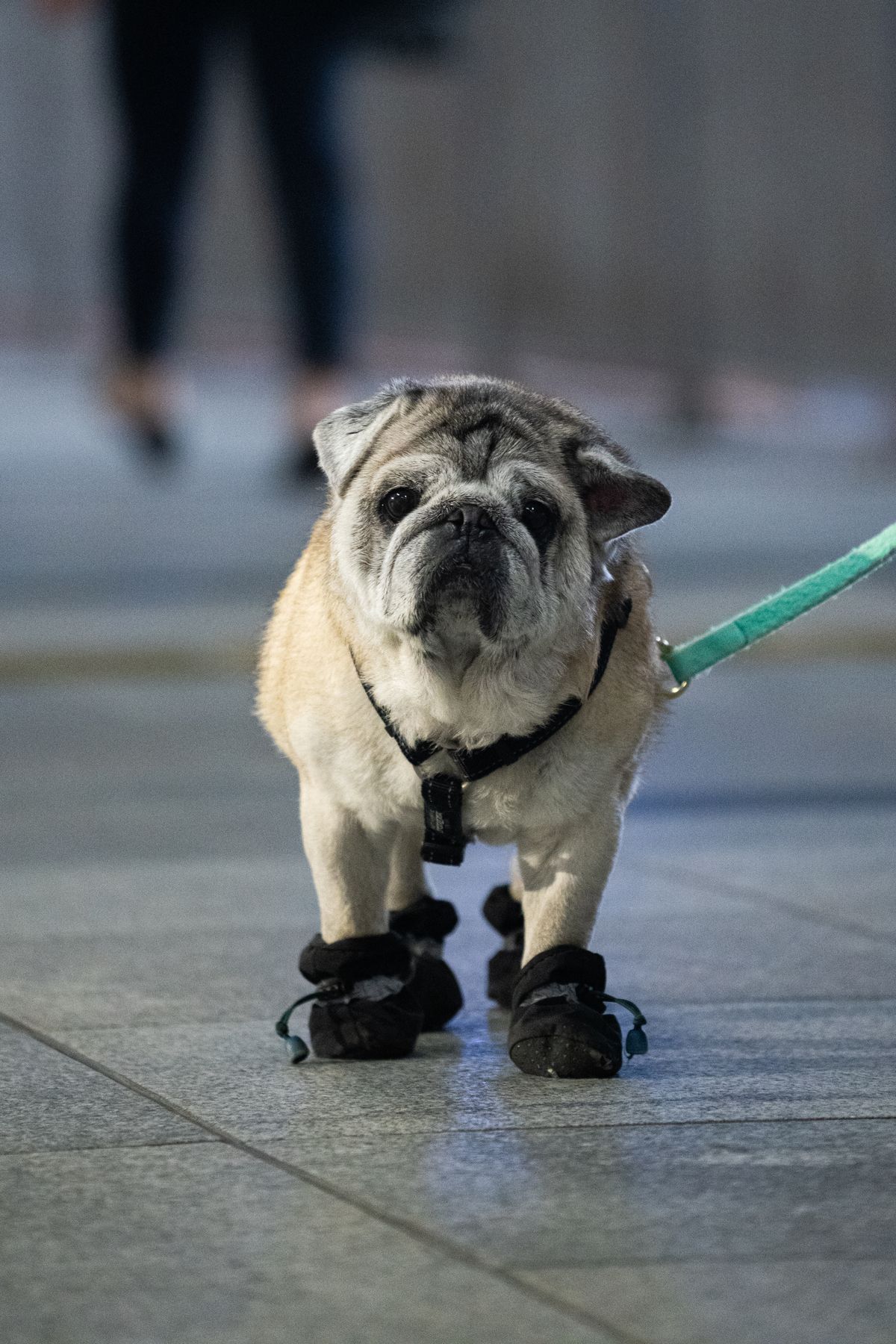
Plenty of dogs snore as a completely normal part of their anatomy, particularly brachycephalic breeds whose narrowed airways make snoring close to a given. For these dogs, some baseline level of snoring simply comes with the breed and isn't a symptom of anything new or wrong.
A meaningful increase in snoring volume, frequency, or a change in its character — becoming more labored-sounding, involving snorting or gasping, or being accompanied by daytime symptoms like reduced energy or coughing — is a different situation worth investigating. Weight gain is one of the more common and directly addressable causes, since extra tissue around the neck and throat area narrows the airway further, exactly the mechanism that also makes human snoring worse with weight gain. Allergies, nasal congestion, or seasonal environmental changes can also increase snoring temporarily. Less commonly, a new or worsening snore can indicate a developing nasal or throat mass, particularly in older dogs.
What to do: For a dog who's always snored a similar amount, no action is needed beyond noting it as your dog's normal baseline. For a new or notably increased snore, especially alongside weight gain, daytime lethargy, or breathing changes while awake, it's worth a vet visit — addressing weight gain specifically often improves snoring meaningfully, and it's worth ruling out other causes before assuming that's the full explanation.
For dogs whose snoring comes from underlying anatomical airway narrowing, here's the fuller picture on brachycephalic breathing and what's normal versus concerning.
Still have questions?
Don't rely on Google if your pet is showing symptoms. Get a professional opinion in minutes.
Talk to a Vet Now