Cat Vomiting White Foam: Causes and When to See a Vet
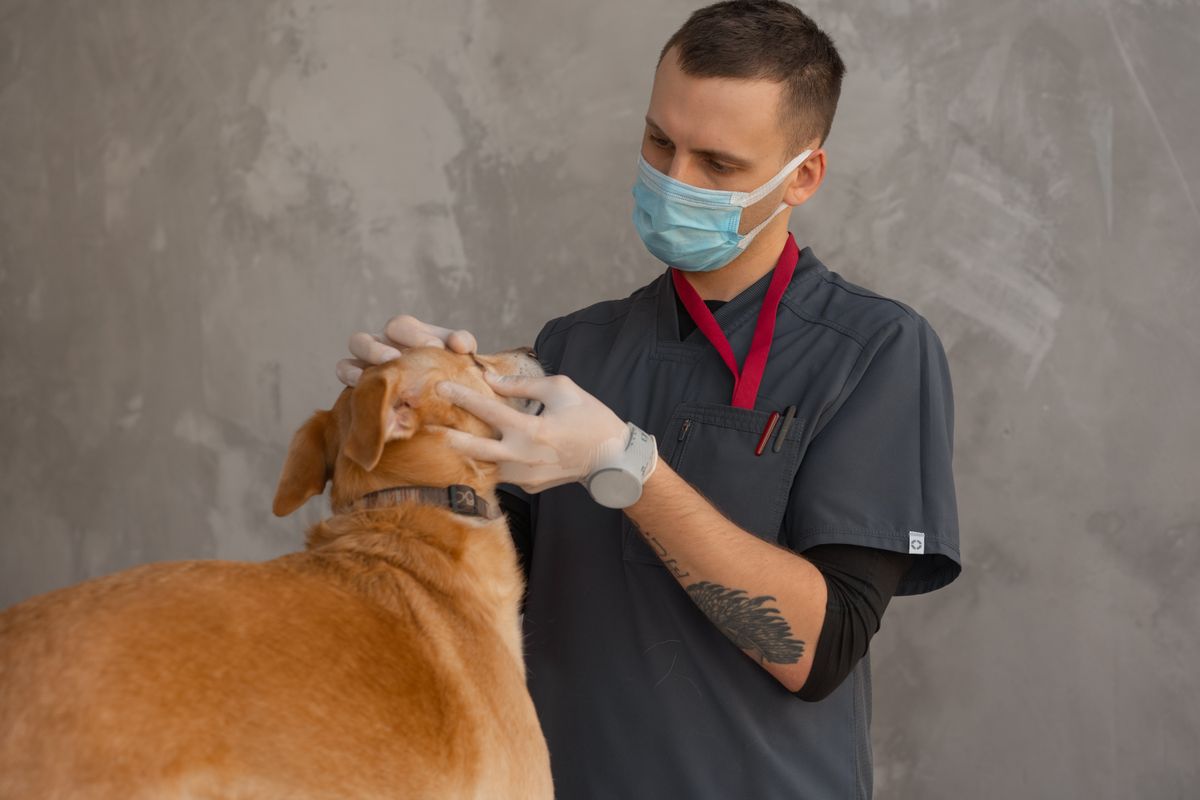
When a cat empties its stomach with a little foam, it can be a routine medical hiccup or a sign something more serious is brewing. If you notice your cat vomiting white foam, take a calm, observant approach: note how often it happens, what your cat has eaten, and whether other symptoms appear. Understanding what this sign may mean helps you decide when to monitor at home and when to seek veterinary care. In many cases, a brief episode is non-emergency and can improve with small, careful steps. In others, it points to an underlying condition that deserves a check-in with a vet.
Understanding cat vomiting white foam: what it can indicate
White foam typically forms when the stomach is empty or irritated, and mucus mixes with gastric secretions. It may occur at the end of a gagging episode or between bouts. The presence of foam alone doesn’t diagnose a problem, but it often signals an irritated stomach or a brief digestive upset. Other times, it reflects more persistent issues such as hairball buildup, dietary indiscretion, or an early sign of a medical condition. Age, appetite, energy level, and hydration all influence how alarming an episode is. If the vomiting is isolated and your cat otherwise acts normally, you can monitor closely. If it recurs or is accompanied by other symptoms, a veterinary evaluation is warranted to rule out dehydration, infection, or organ disease.
Common causes of cat vomiting white foam
- Hairballs or grooming-related ingestion
- Empty stomach or overnight fasting
- Dietary indiscretion or sudden changes in food
- Gastritis or stomach upset from infection or irritation
- Pancreatitis or inflammatory bowel disease
- Infections (viral, bacterial) or systemic illness
- Obstruction from a foreign body or severe constipation
- Kidney or liver disease
- Toxin exposure (plants, medications, household chemicals)
- Stress, anxiety, or significant environmental changes
These causes range from self-limited to potentially urgent. The key is to assess the duration, accompanying signs, and the cat’s overall condition rather than focusing on the foam alone.
Symptoms to monitor alongside vomiting
- Lethargy or weakness
- Refusal to drink or persistent thirst
- Diarrhea, vomiting with blood, or dark/tarry stools
- Abdominal pain signs (hollow-sounding abdomen, distension, crying when abdomen is touched)
- Dehydration signs (dry gums, sunken eyes, skin tenting)
- Worsening appetite loss or rapid weight loss
- Repeated vomiting over 24 hours or more
A single episode with normal hydration and appetite is typically easier to observe at home. Recurrent vomiting, especially with any of the above symptoms, should prompt a veterinary visit.
What to do today if your cat is vomiting
- Check hydration and environment
- - Offer small sips of fresh water. If your cat refuses, don’t force fluids; monitor for signs of dehydration over the next several hours.
- - Ensure a quiet, comfy space and minimal stress while you observe.
- Consider a short fasting period followed by a bland diet
- - For most adult cats, a 6–12 hour no-food period can help the stomach settle. Do not fast kittens or cats with chronic illness unless advised by a vet.
- - After fasting, reintroduce easily digestible foods in small, frequent meals for 24–48 hours (e.g., bland diet such as boiled chicken and white rice, or a vet-recommended gastrointestinal diet).
- Avoid human medications and potential triggers
- - Do not give over-the-counter anti-nausea medicines, pain relievers, or milk. Many human drugs are toxic to cats.
- - Roll back any recent dietary changes or new foods that could have triggered upset.
- Monitor and document
- - Note the time of each episode, the appearance of vomitus, appetite, water intake, energy, and any additional signs.
- - Keeping a simple diary helps your veterinarian interpret the pattern.
- When to seek veterinary care promptly
- - Vomiting persists beyond 24–48 hours (even if appetite returns)
- - Signs of dehydration appear or worsen
- - Vomit contains blood or there is black or tarry stool
- - Your cat is very young (kitten), senior, or has known chronic disease
- - There is severe abdominal distress, collapse, or inability to stand
- Safety net if you’re unsure
- - If you’re uncertain about the seriousness, a veterinary triage call or a tele-vet consult can help determine next steps. They can guide you on whether a same-day exam is needed.
Red flags and when to seek urgent care
- Vomiting for more than 24–48 hours
- Inability to keep down fluids, rapid breathing, or collapse
- Blood in vomit or stool
- Severe abdominal swelling, tenderness, or pain
- Sudden refusal to eat with significant weight loss
- Known exposure to toxins or potentially dangerous plants
- A kitten, a senior cat, or any cat with a chronic illness
If any of these red flags appear, seek immediate veterinary care. Early assessment is especially important if your cat has underlying kidney, liver, or pancreatic disease, as these conditions can escalate quickly without treatment.
How vets diagnose and treat
- History and physical examination
- Blood tests (complete blood count, chemistry panel) to assess organ function and electrolyte status
- Urinalysis for kidney health and hydration status
- Imaging (abdominal radiographs or ultrasound) to look for obstruction, organ disease, or inflammation
- Specific tests for pancreatitis, infectious disease, or inflammatory conditions
- Treatment often includes fluids (oral or injectable), anti-nausea medications, and a carefully managed feeding plan
- Addressing underlying causes such as infection, toxin exposure, or gastrointestinal disease
- Recovery planning with gradual diet advancement and monitoring instructions
Understanding the reasoning behind these steps can help you feel more confident as you navigate a vet visit or a telemedicine consultation. If you ever need a quick triage, discussing the episode with a veterinarian can help clarify whether at-home care is appropriate or if urgent evaluation is needed.
Conclusion
Cat vomiting white foam can be a sign of simple tummy upset or an early cue to a more serious problem. By observing frequency, hydration, appetite, and any additional symptoms, you can distinguish routine episodes from those that require veterinary attention. When in doubt, a timely check-in with a veterinarian provides clarity, supports your cat’s comfort, and helps protect their long-term health. Staying attentive to changes in your cat’s GI health — including the pattern of cat vomiting white foam — equips you to act confidently and compassionately.
Frequently Asked Questions
What does cat vomiting white foam usually indicate? White foam often signals an irritated or empty stomach, sometimes a minor issue like hairballs or dietary indiscretion. If vomiting is infrequent and your cat otherwise behaves normally, you can monitor. Recurrent vomiting or accompanying signs like dehydration or lethargy warrants a veterinary check.
When is vomiting in cats an emergency? Emergencies include vomiting lasting more than 24–48 hours, signs of dehydration, persistent lethargy, abdominal pain, unable to keep fluids down, or vomiting blood. Also seek care for very young kittens, seniors, or cats with known chronic conditions.
How can I help my cat vomiting at home? Offer small sips of water and consider a brief fast (6–12 hours for adults, with veterinary guidance for kittens). Afterward, feed a bland, easily digestible diet in small portions for 1–2 days, then gradually reintroduce normal food. Avoid human medications and seek veterinary advice if symptoms persist or worsen.
What diseases can cause chronic vomiting in cats? Chronic vomiting can stem from gastritis, inflammatory bowel disease, kidney or liver disease, pancreatitis, intestinal obstruction, or infections. An exam and diagnostic tests help identify the exact cause and guide treatment.
How do vets diagnose the cause of vomiting? Vets use a combination of history, physical exam, blood tests, urinalysis, and imaging (X-rays or ultrasound). Depending on findings, additional tests for infections, pancreatitis, or organ-specific diseases may be performed to tailor treatment and prognosis.
Still have questions?
Don't rely on Google if your pet is showing symptoms. Get a professional opinion in minutes.
Talk to a Vet Now