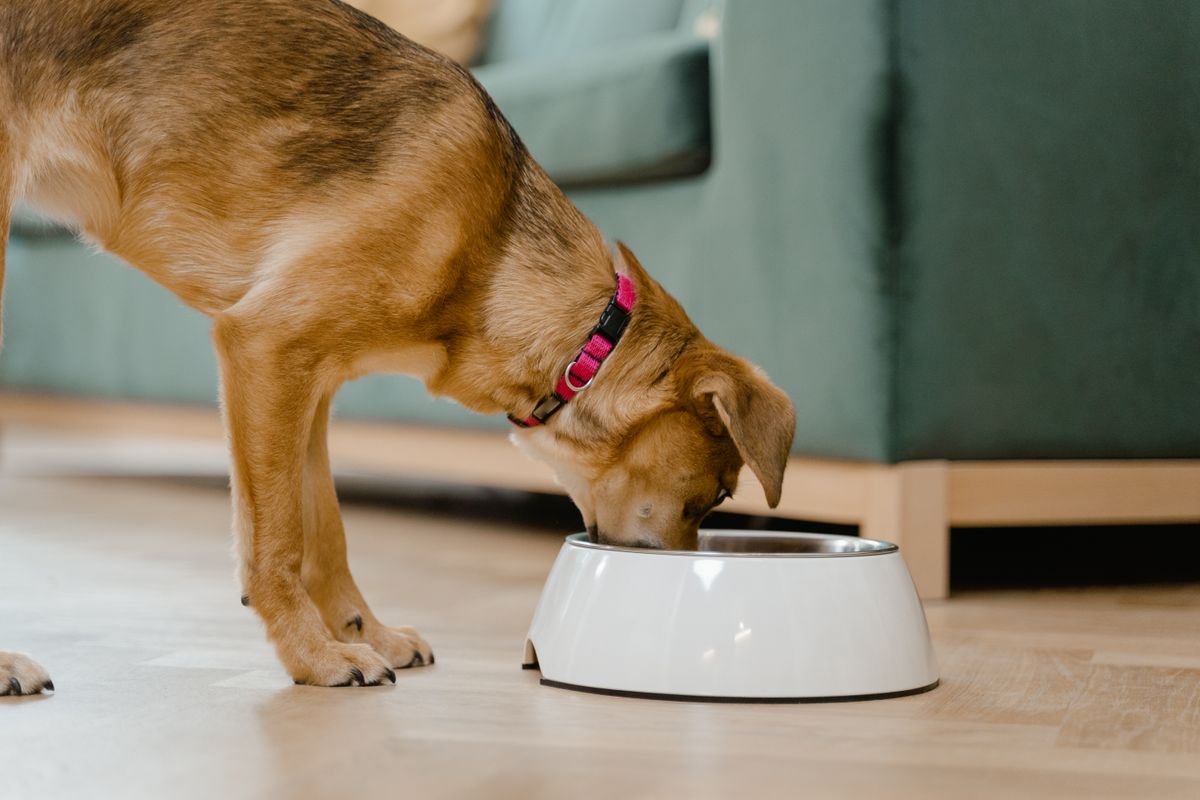
Senior Dog Not Eating: What Changes With Age
An older dog skipping meals deserves a somewhat lower threshold for concern than the same behavior in a young, healthy dog, largely because the range of likely causes shifts with age. Dental disease is extremely common in senior dogs and frequently overlooked as a cause of appetite loss — a dog with a painful tooth may still approach their food bowl but eat less, more slowly, or avoid certain textures without an owner immediately connecting the dots to their mouth.
Beyond dental pain, appetite loss in seniors can relate to medication side effects (particularly arthritis medications, which can cause stomach upset), nausea from kidney or liver issues, chronic pain that makes getting to the food bowl uncomfortable, cognitive changes affecting interest in normal routines, or simply reduced caloric needs that come with lower activity levels — though the latter usually shows as gradually eating less over time rather than a sudden refusal.
Sudden, complete appetite loss in a senior dog is different from a gradual decrease and generally warrants faster attention, since it's more likely to indicate an acute problem rather than a slow age-related shift.
What to do: For a senior dog eating somewhat less but still engaging with food and otherwise acting normal, a dental check and general wellness visit is a reasonable next step if it's been a while since the last one. Sudden, complete refusal to eat, especially combined with lethargy or other symptoms, warrants prompt attention rather than assuming it's just "getting older."
For more on how age changes the picture with a related symptom, here's a look at vomiting risk specifically in senior dogs.
Still have questions?
Don't rely on Google if your pet is showing symptoms. Get a professional opinion in minutes.
Talk to a Vet Now