Dog Anxiety Symptoms: How to Recognize the Signs
Understanding dog anxiety symptoms helps you read your pet’s emotional life and respond with calm, confident care. Anxiety in dogs is common, often driven by changing routines, environments, or experiences, and many dogs improve with patient, consistent management. Recognizing signs early allows you to tailor enrichment, training, and medical checks so your dog stays engaged, comfortable, and happy.
Common dog anxiety symptoms and what they might mean
- Excessive panting or yawning when not hot or active
- Restlessness: pacing, circling, or inability to settle
- Trembling, shaking, or appearing tense
- Tucked tail, lowered body posture, cowering, or hiding
- Excessive vocalization: persistent barking, whining, or howling
- Destructive chewing, scratching, or pacing when left alone
- Indoor accidents in a previously house-trained dog
- Overgrooming, licking, or lip-licking beyond normal grooming
- Reduced appetite or sudden picky eating
- Avoidance behaviors: pulling away from people or avoiding eye contact
- Repetitive or compulsive behaviors that seem driven by fear
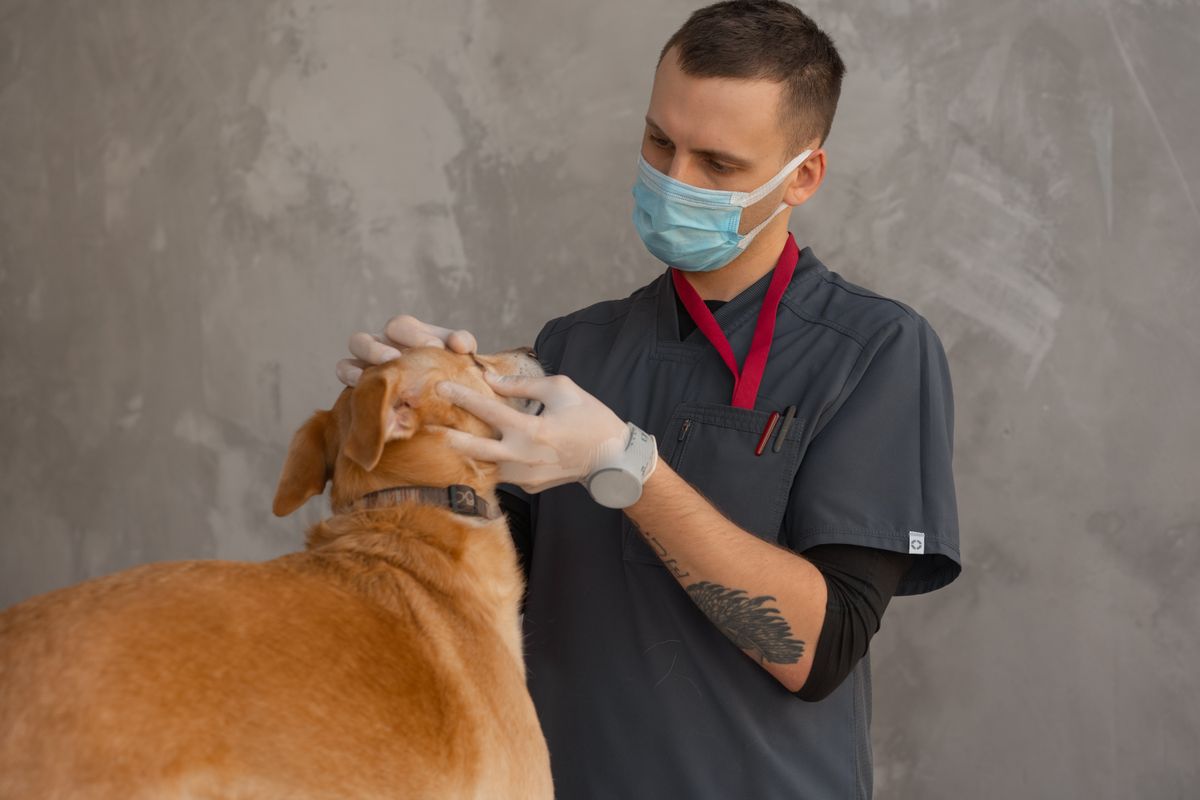
Note: many of these signs can overlap with medical issues. If changes are sudden, severe, or persist for more than a few days, a veterinary exam is a wise first step to rule out pain, infection, or hormonal problems. A veterinary behaviorist or licensed trainer can help interpret patterns within your dog’s daily life.
Causes and triggers behind dog anxiety symptoms
- Separation from you or family members
- Loud noises, thunderstorms, fireworks, or construction
- New people, pets, or a move to a new home
- Sudden changes in routine, travel, or long days alone
- Chronic pain or an underlying medical condition
- Aging and cognitive decline in older dogs
- Limited socialization or negative past experiences
- Genetics or temperament that predisposes some dogs to fear-based responses
Understanding what triggers your dog’s anxiety helps you design targeted remedies, from environmental modifications to gradual exposure and training plans.
How to support a dog with anxiety
- Start with a veterinary check to rule out medical causes and pain
- Maintain a predictable daily routine for meals, walks, play, and rest
- Create a safe, quiet space where your dog can retreat during stressful moments
- Enrichment and mental stimulation: puzzle toys, scent games, and interactive toys
- Desensitization and counterconditioning: pair the trigger with something enjoyable in small, gradual steps
- Positive reinforcement training to reward calm behavior
- Pheromone products or calming aids: discuss evidence, safety, and appropriate use with your vet
- Behavior modification with a qualified trainer or veterinary behaviorist
- Consider pharmacologic options when recommended by a veterinarian, especially for moderate to severe anxiety
- Avoid punishment; reinforce calm coping strategies and patience
- Gentle exercise and regular play to reduce overall arousal
Every dog is different, so a flexible plan that combines environmental changes, training, enrichment, and support from professionals tends to be most effective. If your dog’s anxiety symptoms persist or worsen, a tailored plan from your veterinarian or a behavior specialist can help you progress safely.
Practical daily tips and management strategies
- Build structure: regular walks, feeding times, and quiet periods
- Provide enrichment for mental exercise when you’re away: puzzle feeders, treat-dispensing toys
- Use calming routines before stressful events (e.g., crates, calm greetings, soft music)
- Manage exposure: gradually reintroduce triggers at low intensity with positive reinforcement
- Consider a calm environment: white noise, dim lighting, and comfortable resting spots
- Use a “safe space” strategy: a familiar bed or crate with comforting items
- Socialization in small, positive sessions with controlled exposure
- Nutrition and hydration: balanced meals support overall well-being
- Safety first: never punish fearful behaviors; reward desired calm responses instead
If you’re curious about how nutrition and dietary changes can support mood, you can explore related topics like dog nutrition and safe human foods dogs can eat for complementary ideas. For ongoing learning, you might also review how allergies can influence behavior and comfort levels.
Related reading
- /how-much-does-a-vet-visit-cost
- /dog-nutrition
- /human-foods-dogs-can-eat
- /dog-allergies-symptoms
Conclusion
By observing and tracking dog anxiety symptoms, you can partner with your veterinarian to create a practical, compassionate plan that improves your dog’s quality of life. With consistent routines, enrichment, and professional guidance, many dogs experience meaningful relief and regained confidence. Remember, progress may be gradual, but the right supports help your furry friend feel more secure and connected.
Frequently Asked Questions
What are common dog anxiety symptoms?
Common dog anxiety symptoms include panting, pacing, trembling, cowering or hiding, excessive vocalization, destructive chewing, indoor accidents, self-soothing behaviors like licking, and changes in appetite. If multiple signs emerge or persist, a veterinary check can help determine if anxiety is the primary issue or if another medical factor is involved.
How can I tell if my dog is anxious rather than just scared?
Fear is a normal emotion, but anxiety tends to be chronic or occurs in anticipation of a trigger. Signs of anxiety often include ongoing restlessness, heightened arousal, and persistent avoidance, even after the trigger is gone. A vet or behaviorist can help differentiate anxiety from momentary fear-based reactions.
What should I do if I notice dog anxiety symptoms?
First, rule out medical causes with a veterinary exam. Then establish a predictable routine, provide safe enrichment, and start gentle desensitization work. Reward calm behavior and avoid punishment. If signs persist, seek guidance from a veterinary behaviorist or certified trainer.
Can anxiety in dogs be treated without medication?
Many cases respond well to behavior modification, enrichment, environmental changes, and training. Some dogs benefit from pharmaceutical or pheromone-based aids when recommended by a veterinarian. A tailored plan often yields the best long-term results.
When should I seek urgent care for my dog’s anxiety?
Urgent care is warranted if your dog experiences signs of a panic attack, collapse, severe breathing difficulty, self-injury, or a sudden inability to maintain basic functions. If anxiety symptoms are extreme or causing immediate safety concerns, contact your veterinarian or an emergency clinic promptly.
Still have questions?
Don't rely on Google if your pet is showing symptoms. Get a professional opinion in minutes.
Talk to a Vet Now