Comparing At-Home Testing Kits vs. Vet Diagnostics
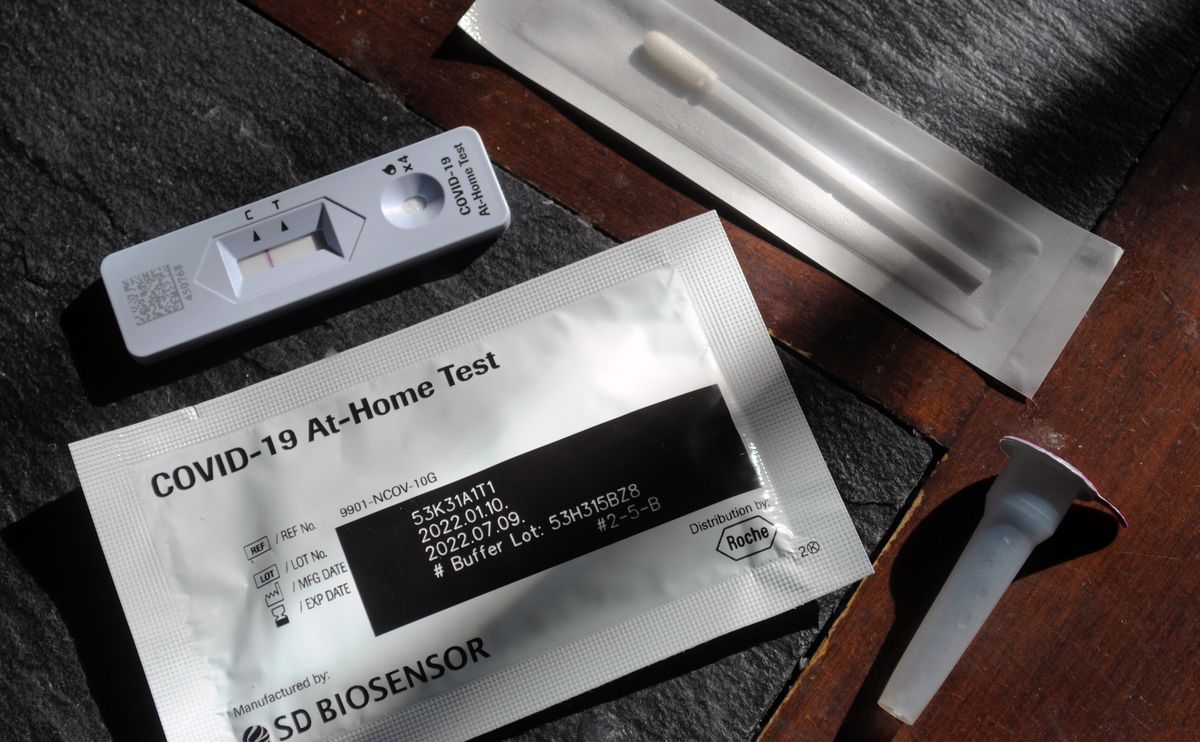
At-home pet health testing kits have expanded considerably in recent years — urine test strips, at-home fecal parasite screening, and various other consumer-available tests — and they can add real value in specific situations, though understanding their actual scope and limitations matters for using them appropriately rather than as a full substitute for professional diagnostics.
At-home urine tests can screen for certain markers (glucose, blood, pH) useful for ongoing monitoring of a known condition like diabetes, providing more frequent data points between vet visits than would otherwise be practical or affordable, genuinely useful for tracking trends in an already-diagnosed condition.
At-home fecal parasite tests offer a lower-cost alternative to a full in-clinic fecal analysis, though sensitivity and the range of parasites detected may be more limited than a professional lab analysis, making this more useful as a first-pass screening than a definitive negative result if symptoms persist despite a clear at-home test.
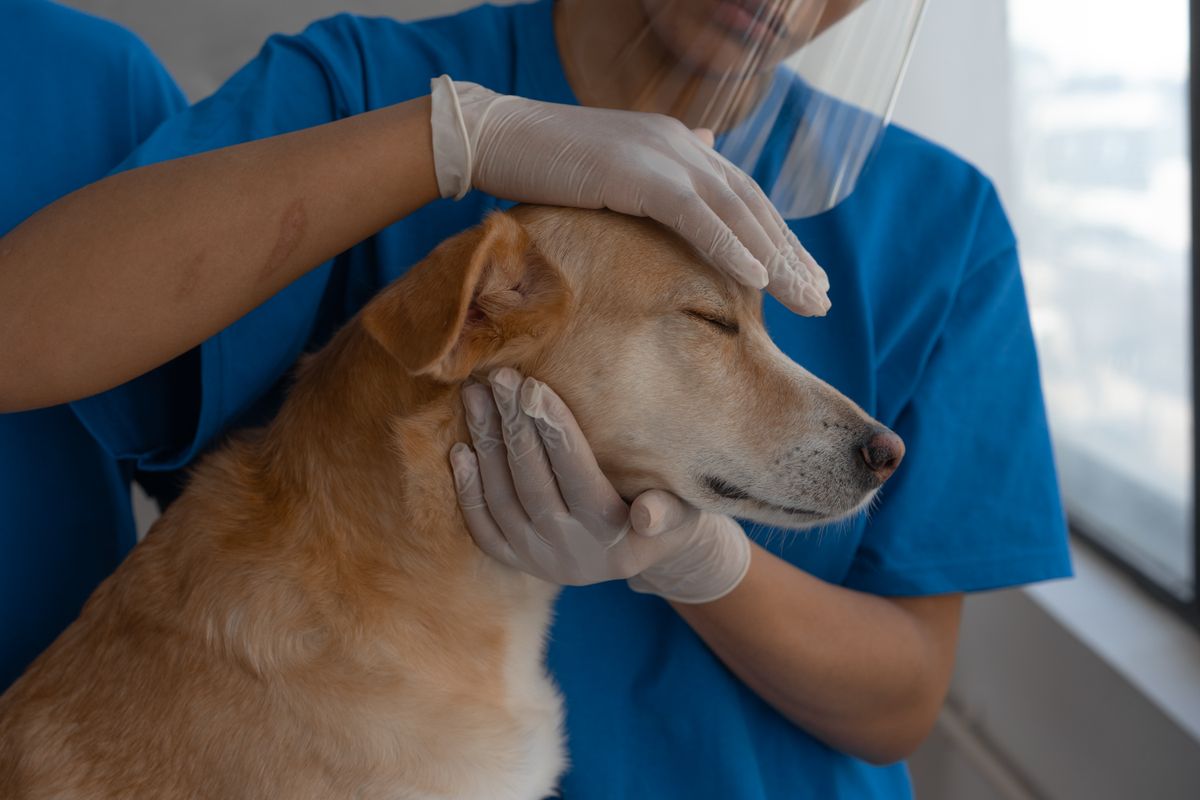
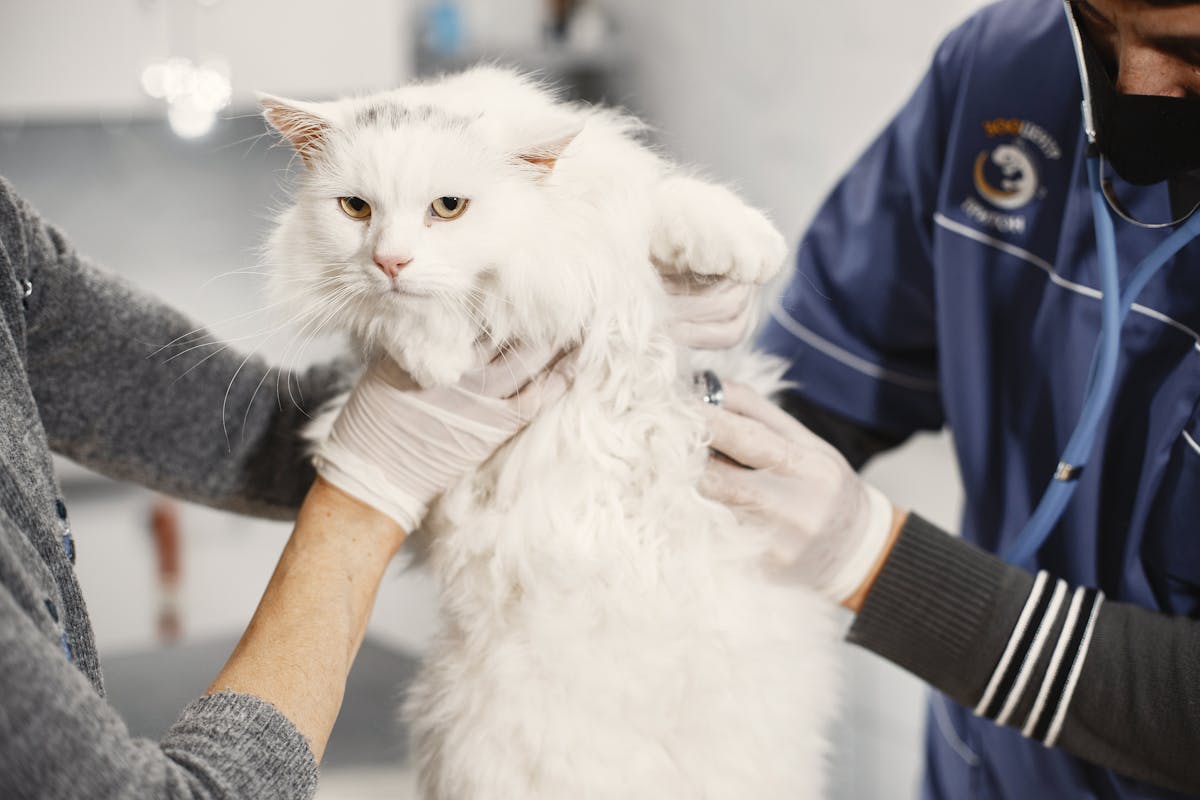
These tests generally can't replace bloodwork, imaging, or a professional physical exam for actual diagnosis — they're better understood as monitoring or screening tools that can supplement, but not substitute for, professional veterinary diagnostics when something is genuinely wrong or unclear.
Accuracy and reliability vary by product and category, and a positive or concerning at-home result should generally prompt a proper vet visit for confirmation and full diagnosis, rather than attempting to self-manage a condition based solely on an at-home test result.
The cost savings are real for the specific monitoring use case — reducing the frequency of paid vet visits purely for routine tracking of an already-diagnosed, stable condition — but attempting to use these kits as a general substitute for professional diagnosis when something concerning is happening risks missing something a proper workup would catch.
What to do: Use at-home testing kits for ongoing monitoring of already-diagnosed conditions where your vet has specifically suggested this is appropriate, and always follow up any concerning at-home result with a proper professional evaluation rather than relying on the at-home test alone.
For the broader framework on triaging symptoms and deciding when professional attention is genuinely needed, here's more.
Still have questions?
Don't rely on Google if your pet is showing symptoms. Get a professional opinion in minutes.
Talk to a Vet Now