Car Sickness in Dogs: Why It Happens & How to Prevent It
Prepared by the Waggle editorial team. This article is educational, not a diagnosis or an individual veterinary review.
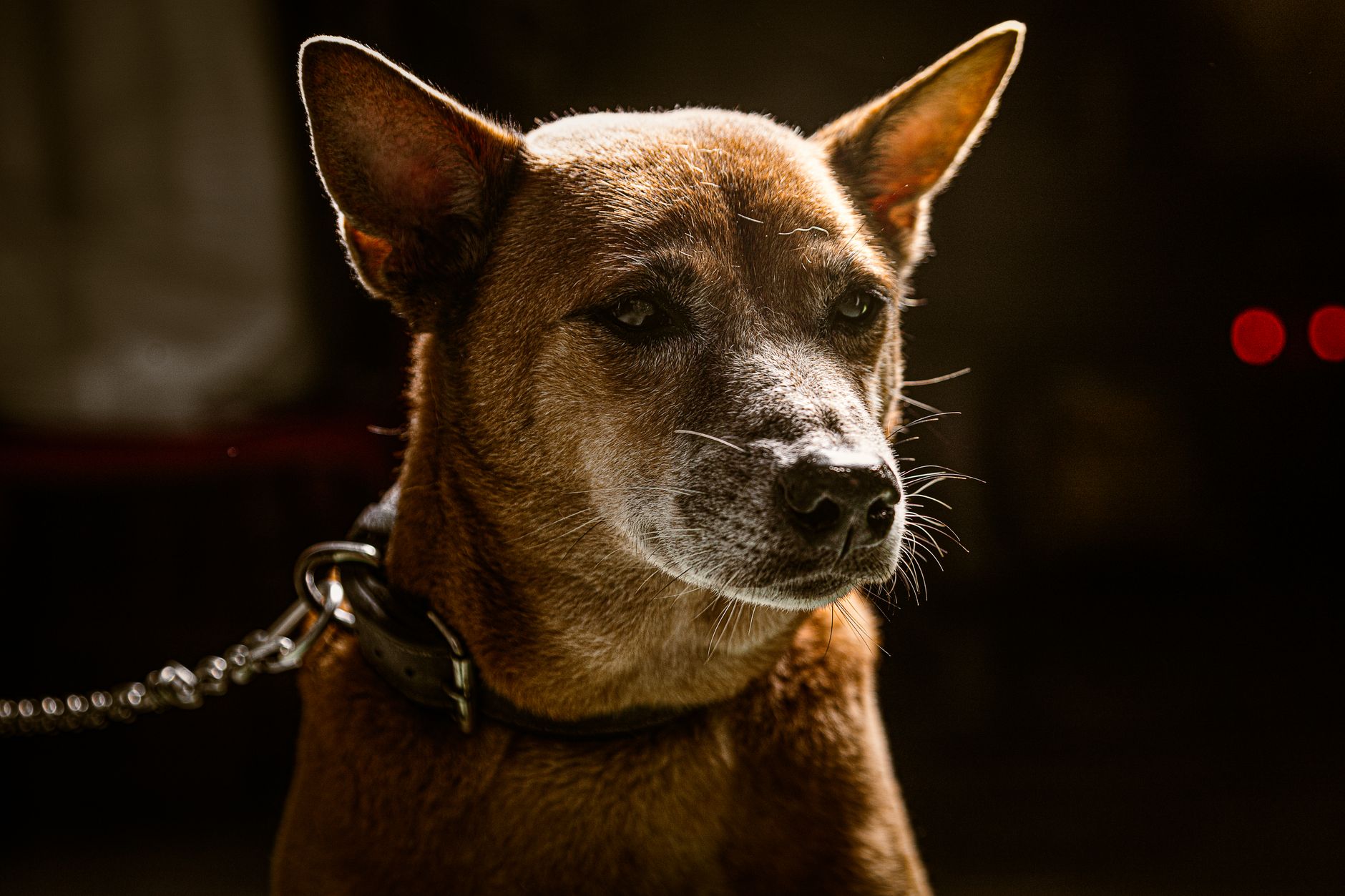
Photo by Phạm Tuấn Hải on Pexels. Illustrative photo; not a patient or clinical diagnosis.
If your dog drools, whines or throws up on car rides, you are not alone. Car sickness is common, especially in puppies. The good news is that it often improves with training and the right preparation. This guide is general information.
Why dogs get car sick
- Immature inner ear: puppies are more prone, and many outgrow it
- Motion: conflicting signals between eyes and balance system cause nausea
- Anxiety: if a dog associates the car with the vet or stress, it can add to nausea
- Previous bad experiences
Signs of car sickness
- Drooling
- Lip licking or excessive yawning
- Whining or restlessness
- Panting
- Lethargy
- Vomiting
How to prevent car sickness
- Face your dog forward and, when possible, let them see out the window
- Secure your dog in a crate or harness that keeps them stable
- Keep the car cool and well-ventilated
- Avoid feeding a big meal right before the trip. Ask your vet about timing
- Take breaks on longer drives for fresh air and a walk
- Start small: sit in a parked car, then do short drives, ending somewhere fun
- Use calming tools such as pheromone sprays, if your vet agrees
- Reward calm behavior
Help dogs love the car
For dogs with anxiety, build positive experiences. Give treats in the parked car, then a short drive to a park, then longer drives, going at your dog's pace.
Medication options
If training is not enough, vets can prescribe medication, including anti-nausea drugs designed for motion sickness in dogs, and in some cases anti-anxiety medication. Do not give human motion-sickness medicine or sedatives without asking a vet, since dosing and safety differ for dogs.
When to talk to a vet
Talk to a vet if your dog's car sickness is severe, if vomiting is frequent, or if it seems to be a sign of something else. Dogs that suddenly develop car sickness should be checked.
Traveling comfortably
Plan ahead for long trips and keep your pet's records handy, such as vaccine proof, in your Waggle Vault. If your dog struggles with travel, talk to a licensed vet on Waggle Vet about options before your trip. For an in-person visit, find a vet near me.
FAQs
Will my puppy outgrow car sickness?
Many do, often by around one year old, but not all.
Can I give my dog Dramamine?
Ask a vet first. Dosing and safety matter.
Should I withhold food before car trips?
Often a light meal a few hours before is suggested, but ask your vet.
Check current Waggle Vet access and eligibility terms. Chat with a vet now.
Service limits and further guidance
Waggle Vet currently provides live chat guidance, not a promised live video or phone consultation. Access, response times and species support depend on current availability and eligibility. Do not assume medication can be prescribed: state licensure, a valid VCPR, veterinary judgment and federal requirements apply. An in-person examination may be needed.
AVMA: telehealth and the veterinarian-client-patient relationship
AVMA: traveling with your dog or cat
Sources checked October 14, 2026. These references do not constitute veterinary review or endorsement of this article.
Related reading
- Dog Ear Infection: Symptoms, Causes & When to Call a Vet
- Dog Diarrhea: Causes, Home Remedies & When It's an Emergency
- Why Is My Cat Coughing? Hairballs vs. Illness & When to Worry
Waggle resources
Find nearby veterinary clinics; call to confirm availability
Still have questions?
For non-emergency questions, explore Waggle Vet. Trouble breathing, collapse, suspected poisoning or other severe signs need immediate in-person emergency care—do not wait for an online chat.
Explore Waggle Vet