Fourth of July and Fireworks Anxiety in Pets
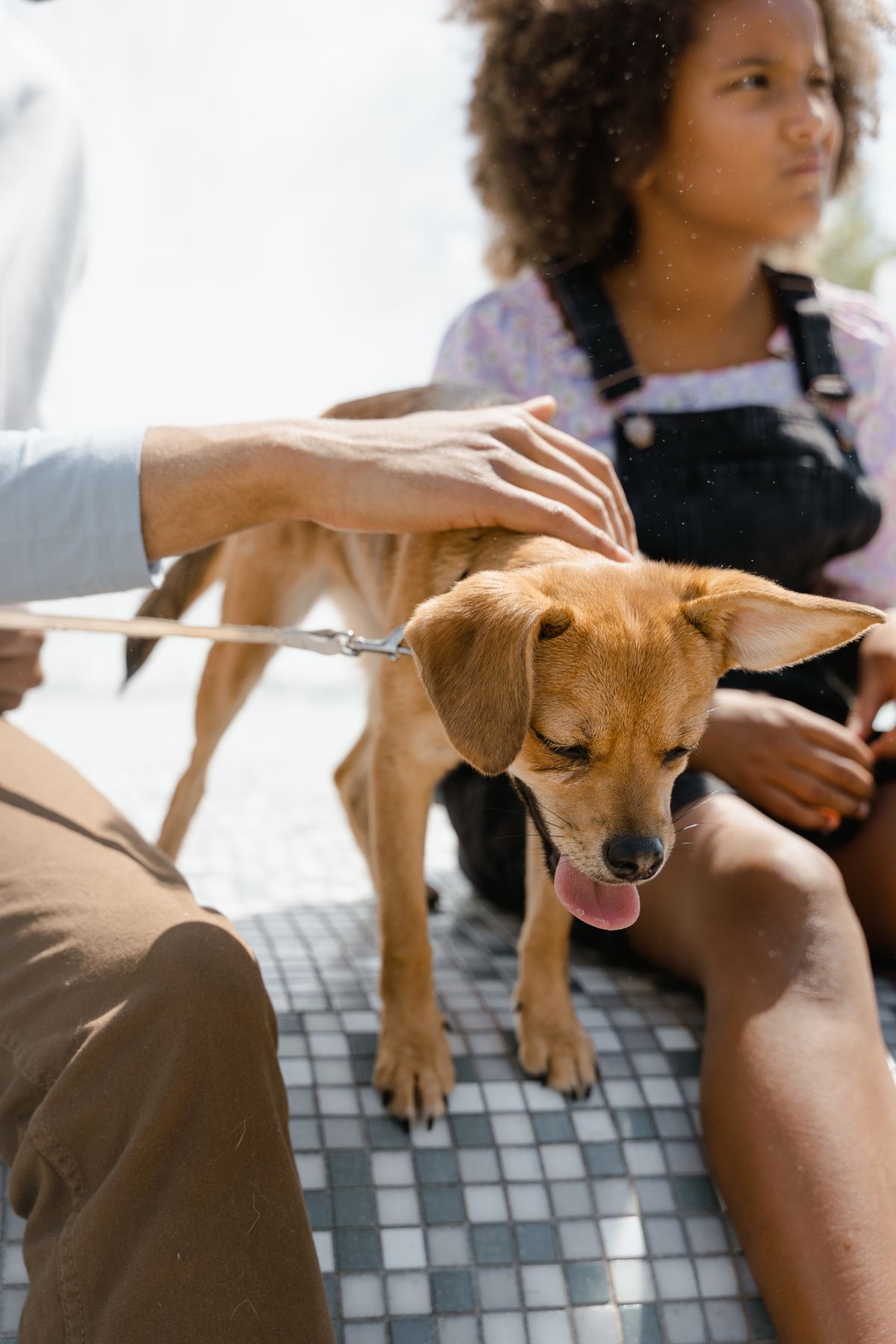
Animal shelters consistently report a spike in lost pets around the Fourth of July, directly tied to fireworks-related panic causing otherwise well-behaved pets to bolt, jump fences, or break through screens in an attempt to escape the frightening noise — making this genuinely one of the higher-risk nights of the year for pet safety, distinct from the noise-anxiety issue itself.
Secure your pet indoors well before fireworks are likely to start, in a room without direct access to doors or windows a panicked pet might attempt to break through, ideally in an interior space that also muffles sound somewhat compared to a room with large windows facing the noise source.
Ensure ID and microchip information is current before the holiday, given the elevated escape risk — this is exactly the kind of predictable high-risk event worth double-checking registration details for in advance, rather than discovering an issue only after a pet has already gone missing.
Calming aids can genuinely help significantly anxious pets — anxiety wraps, pheromone diffusers, background white noise or calming music, and in more severe cases, vet-prescribed anti-anxiety medication discussed and obtained before the holiday rather than scrambling on the day itself.
Never bring pets to firework displays even if they seem generally comfortable in crowds — the sudden loud, unpredictable noise and flashing light of actual fireworks is a different experience than general crowd noise, and even pets who tolerate other loud environments can react strongly to fireworks specifically.
Stay calm and avoid over-comforting in a way that reinforces anxiety — a relaxed, normal demeanor from you provides a better model for your pet than intense, anxious reassurance, though a calm, steady presence nearby is genuinely helpful.
What to do: Secure pets indoors before fireworks begin, verify ID and microchip information is current in advance, and discuss calming aid options with your vet ahead of the holiday if your pet has a known history of firework-related distress.
For the escape-prevention habits especially relevant around this predictable high-risk event, here's more.
Still have questions?
Don't rely on Google if your pet is showing symptoms. Get a professional opinion in minutes.
Talk to a Vet Now