Seasonal Hazards
Protecting your pets through heatwaves, blizzards, and holidays.
What we cover
- ✓Heatstroke prevention
- ✓Winter hazards
- ✓Holiday toxins
- ✓Wildfire smoke & pets

Antifreeze Season: Why Winter Increases This Risk
Antifreeze use and related leaks both increase substantially in colder months, making this an especially relevant seasonal hazard to watch for.

Back-to-School Separation Anxiety in Pets
Pets who've grown used to a full house all summer often struggle when that routine suddenly ends, and this seasonal transition deserves proactive management.
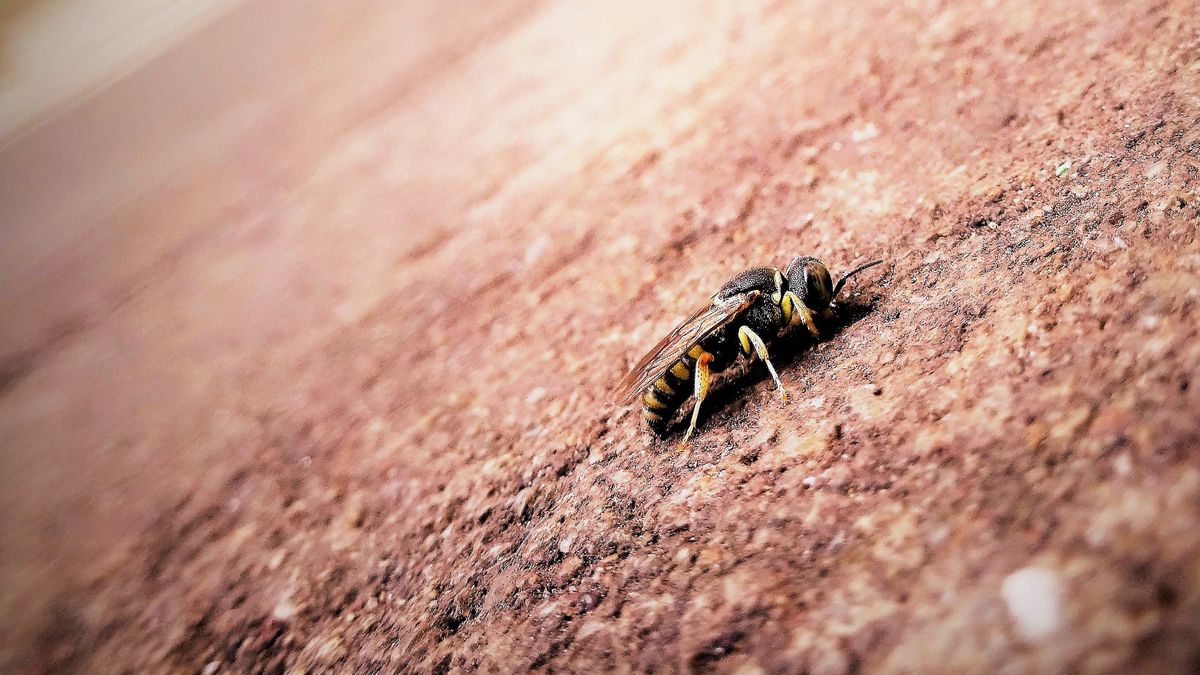
Bee and Wasp Sting Season: What to Know
Most stings are a minor, if unpleasant, irritation, but knowing how to distinguish a normal reaction from a dangerous allergic one matters during peak sting season.

Christmas and New Year's Pet Hazards
Beyond plants and tinsel, the broader holiday season brings decorations, gatherings, and disrupted routines that add up to real cumulative risk.

Daylight Saving Time and Pet Routines
Pets don't understand clock changes, and the resulting hour shift in feeding and walk timing can genuinely affect appetite, energy, and behavior briefly.

Fourth of July and Fireworks Anxiety in Pets
This holiday sees a documented spike in lost pets, and preparation ahead of the actual noise makes a real difference in how pets cope.

Frostbite and Hypothermia in Pets: Signs and Prevention
These are genuine cold-weather emergencies, not just discomfort, and recognizing early signs allows for intervention before serious tissue damage occurs.
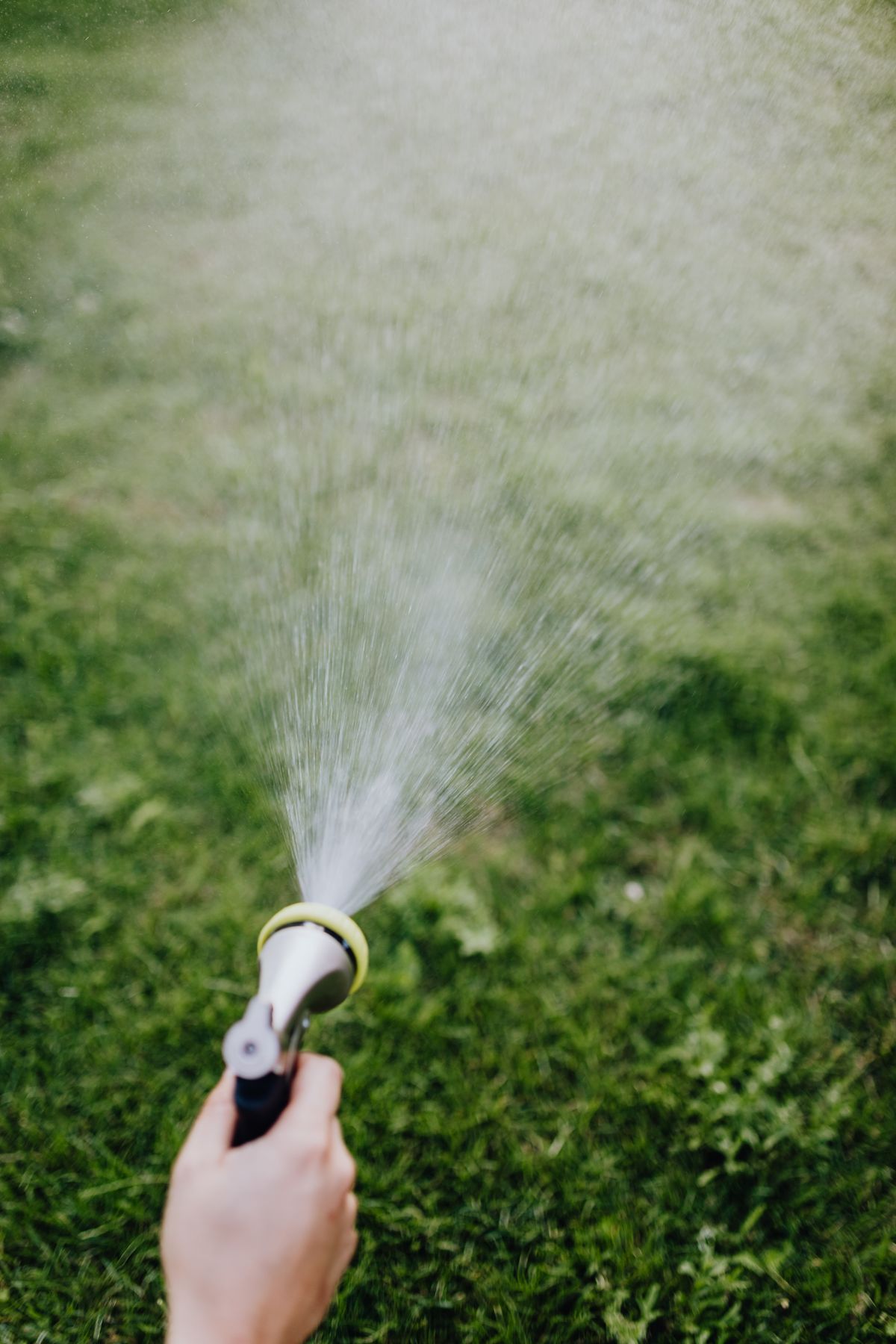
Garden and Lawn Chemical Safety in Spring/Summer
Peak gardening and lawn care season means more frequent pet exposure to fertilizers, pesticides, and treated grass than the rest of the year.

Grilling and BBQ Season Pet Hazards
Cookout season brings a concentrated cluster of pet risks — skewers, bones, corn cobs, and fatty scraps — worth knowing about together.

Halloween Candy and Costume Safety for Pets
Chocolate and xylitol exposure spike around Halloween, and costumes and increased door traffic bring their own separate set of considerations.

Holiday Plant Toxicity Roundup
Holiday decorating brings several specific plants into homes that don't normally have them, worth a dedicated pre-season safety check each year.
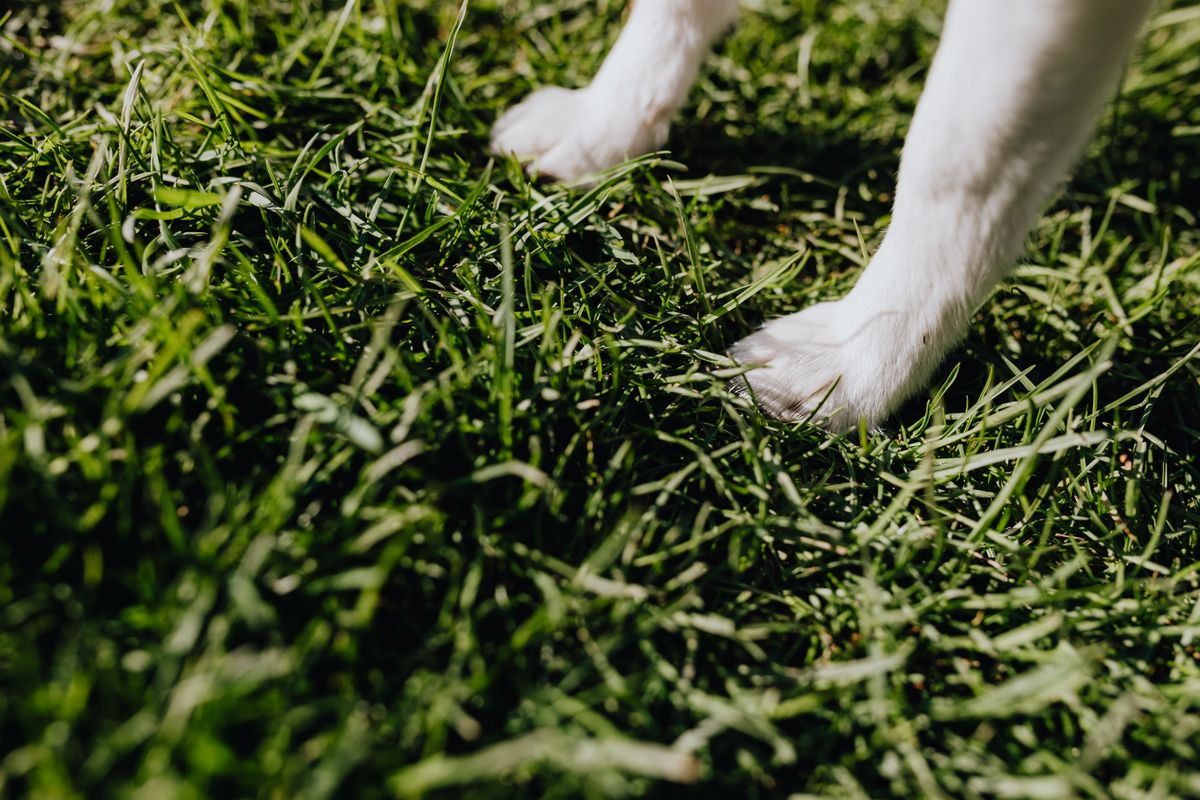
Ice and Snow: Paw and Joint Safety in Winter
Snow and ice bring specific paw injury risks beyond just cold, plus added joint strain that matters particularly for senior or arthritic pets.
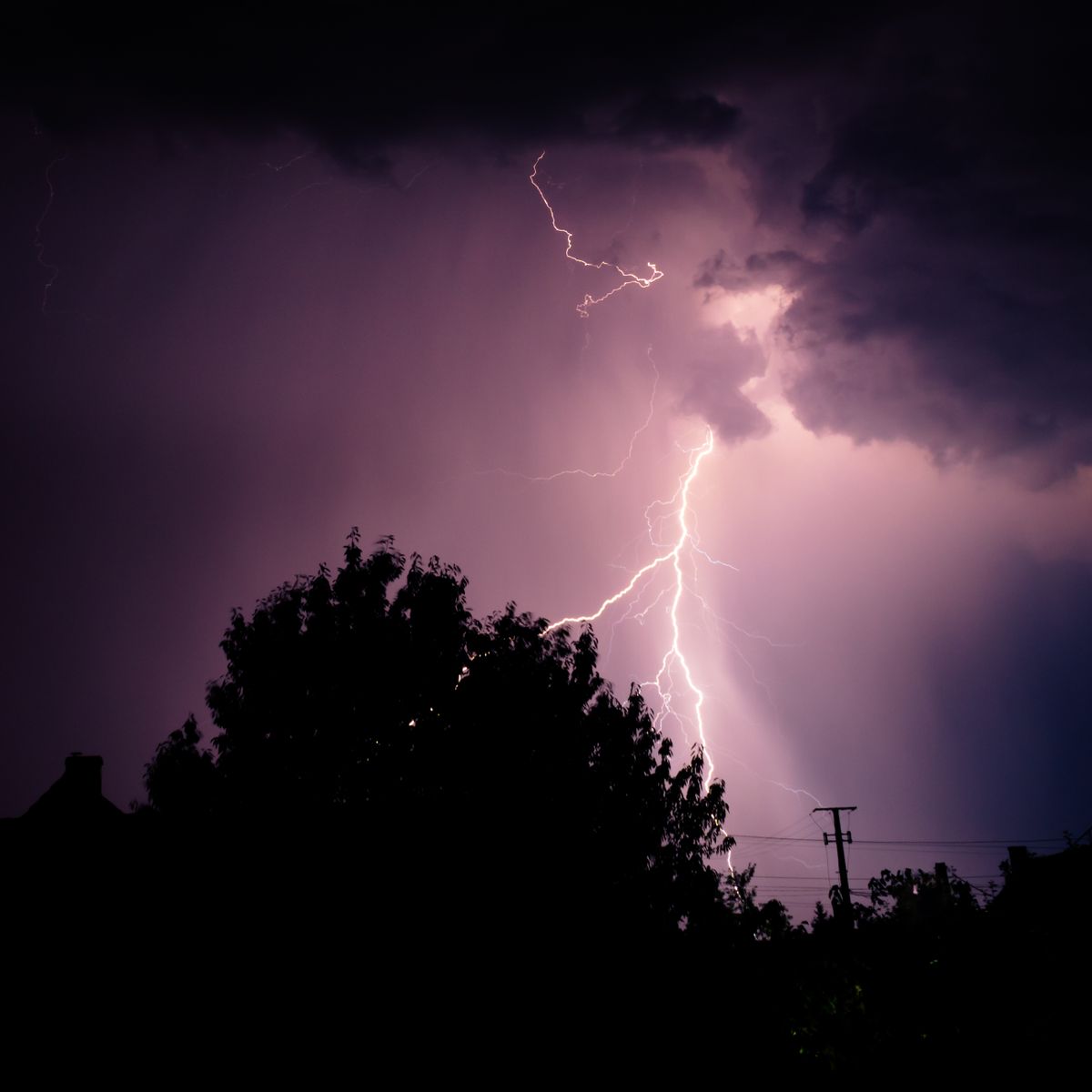
Preparing Pets for Severe Weather and Natural Disasters
A pet-specific disaster plan, built before severe weather season arrives, removes critical decision-making pressure during an actual emergency.

Seasonal Behavior Changes in Pets: What's Normal
Reduced daylight and activity changes genuinely affect some pets' mood and behavior, though ruling out medical causes matters before assuming it's purely seasonal.
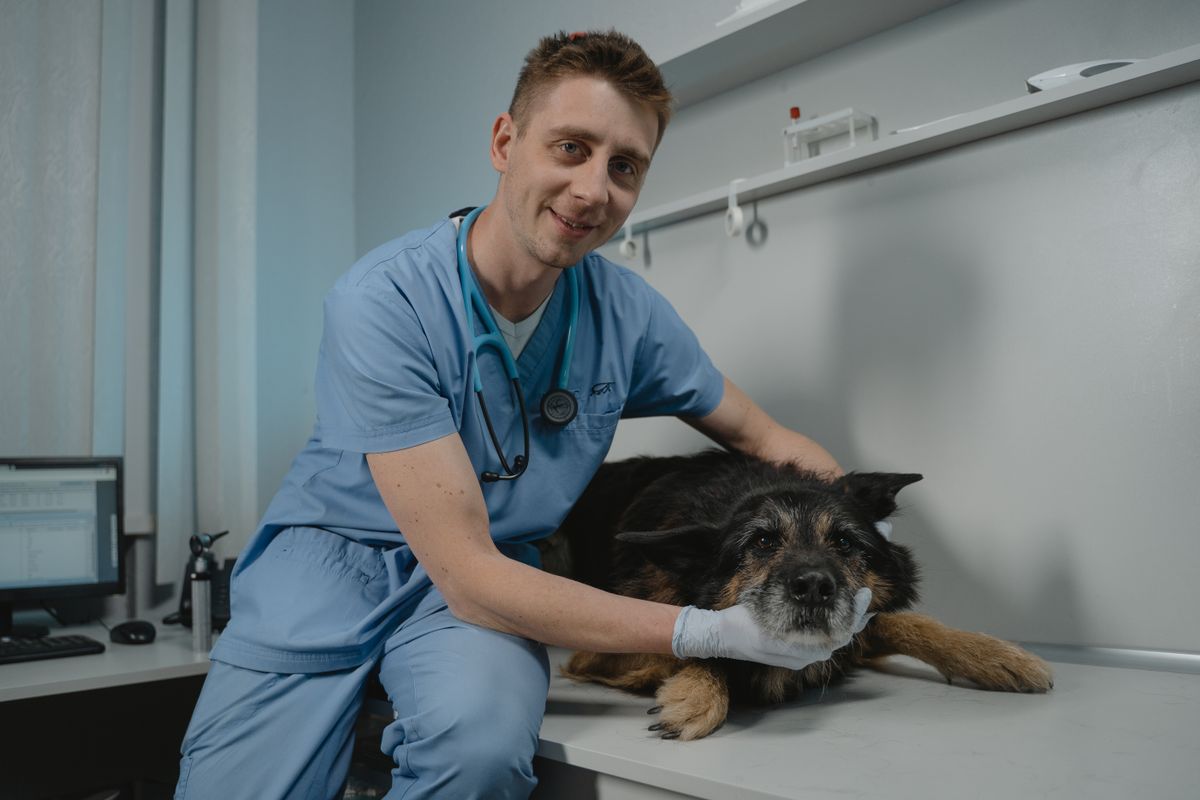
Seasonal Pet Health: The Complete Guide
A complete, organized index of seasonal hazards, holiday-specific risks, and weather-related pet health guides across the full year.

Seasonal Shedding: When It's Normal and When It's Not
Heavy seasonal shedding is normal in many breeds, but a few specific patterns distinguish expected shedding from something worth a vet visit.
Seasonal Allergies: Year-Round vs. Seasonal Patterns
Distinguishing which pattern your pet actually shows helps guide more effective management, since the underlying triggers and approach differ.
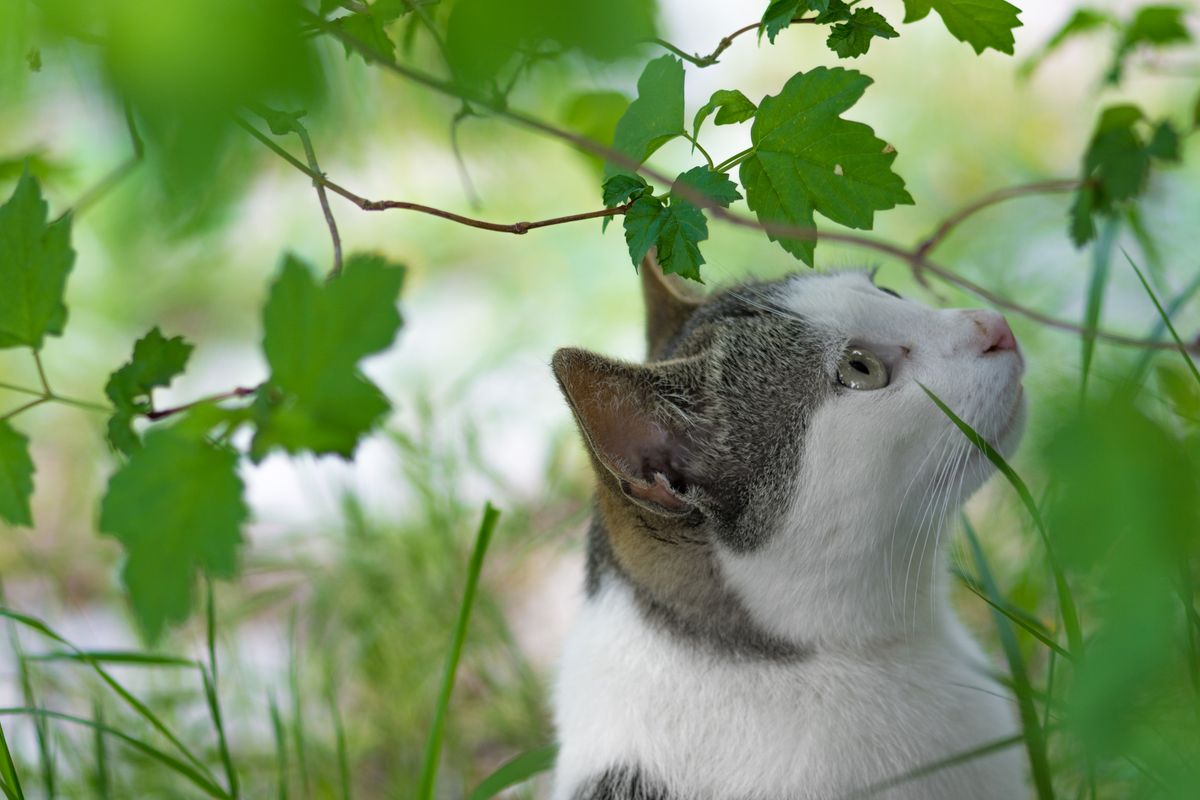
Spring Allergies in Dogs and Cats: What to Watch For
Pets show allergies differently than people usually expect — skin symptoms, not sneezing, are the most common presentation in dogs and cats.
Spring and Fall Transitions: Adjusting Pet Routines Seasonally
The shoulder seasons bring their own set of adjustments worth making deliberately rather than only reacting to summer heat or winter cold extremes.
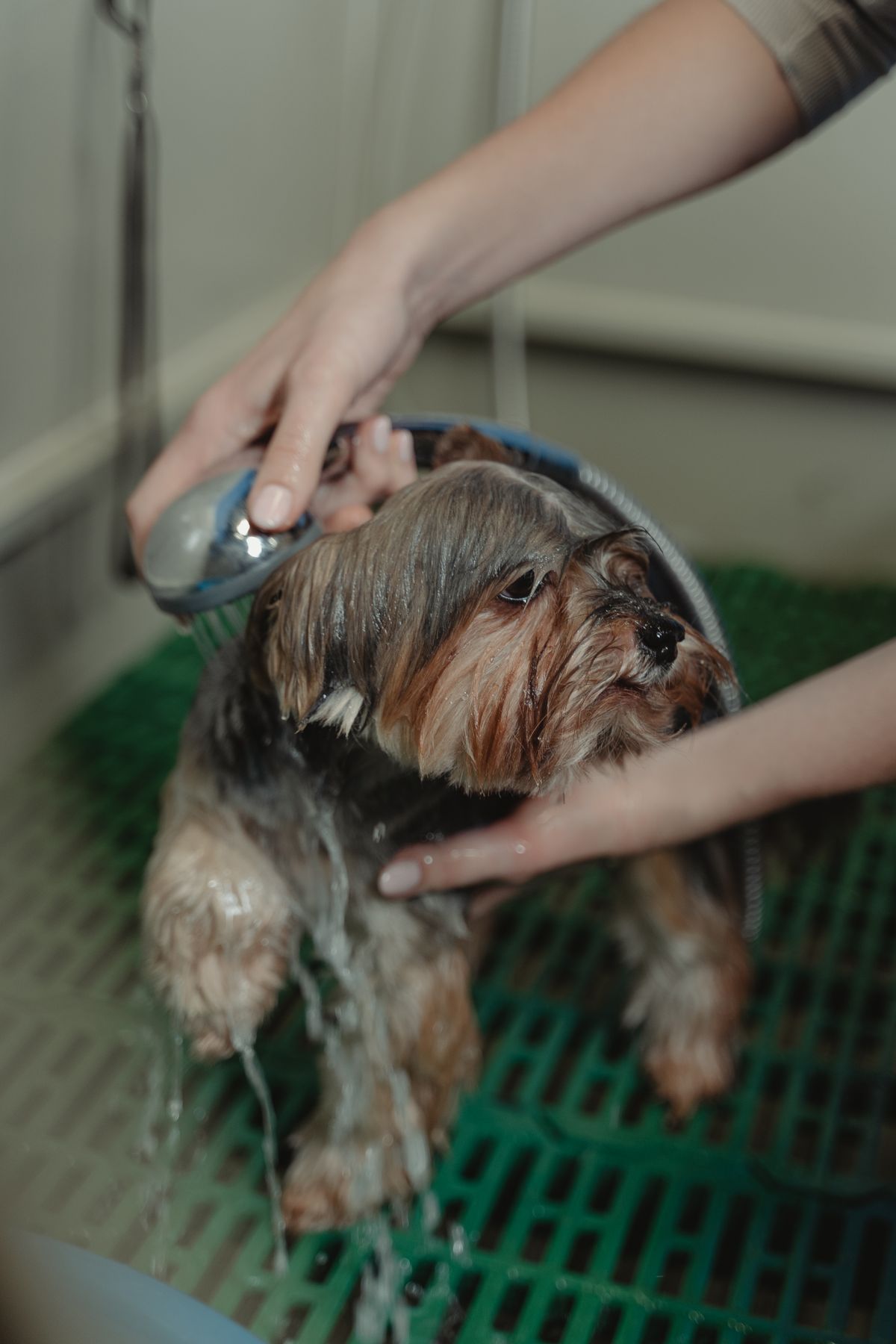
Spring Shedding and Coat Care
Seasonal shedding is a normal, predictable coat cycle in many breeds, and understanding it helps distinguish normal shedding from something worth investigating.

Static Electricity and Dry Winter Skin in Pets
Indoor heating dries out the air significantly in winter, and this affects pet skin and coat in ways worth addressing rather than just tolerating as normal.
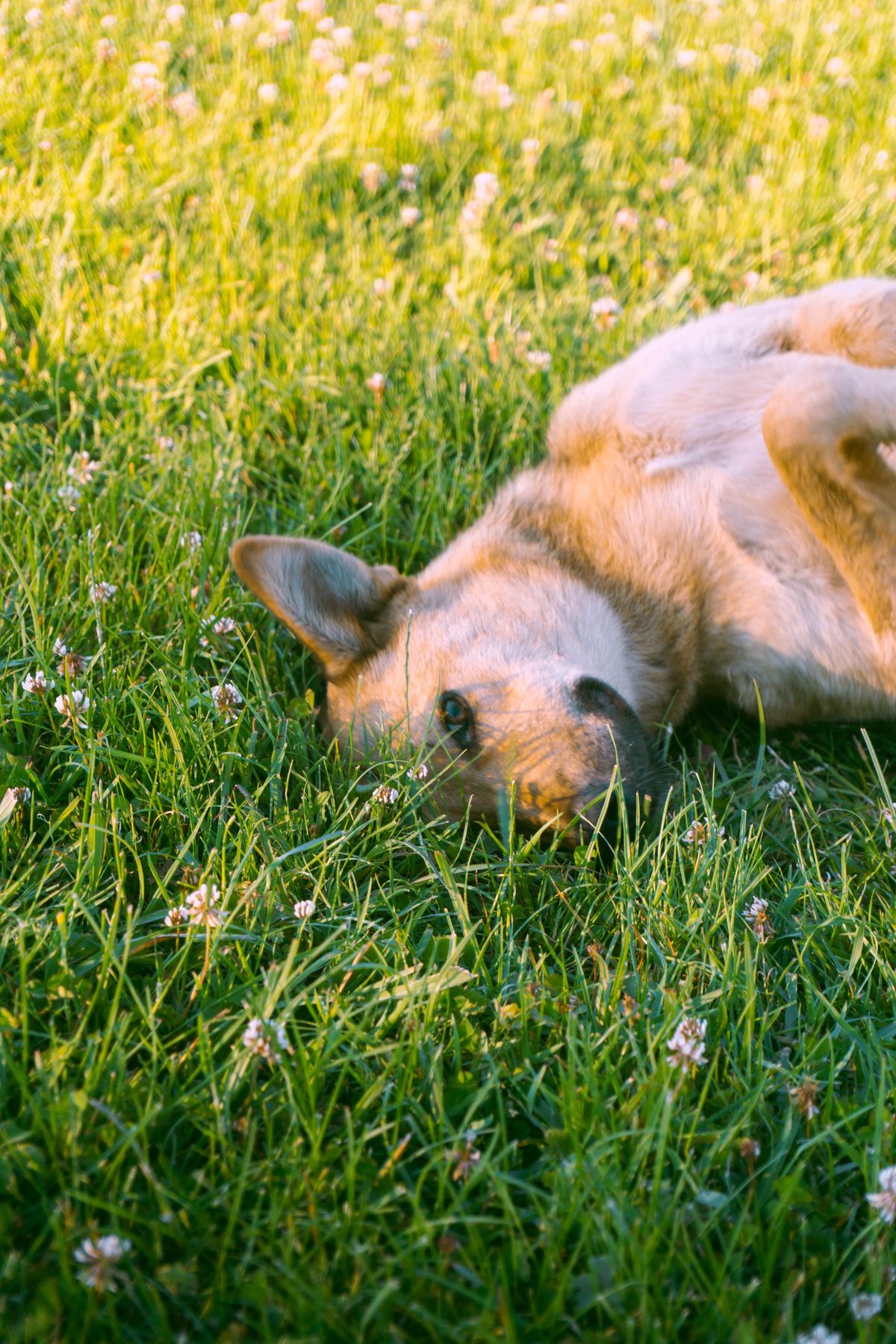
Summer Heatstroke Prevention: A Complete Guide
The core prevention principles are simple, but the details of applying them consistently through a full summer make the real difference for pet safety.

Summer Road Trip Pet Safety Checklist
Peak summer travel season brings its own specific version of the general road trip checklist, weighted heavily toward heat management.
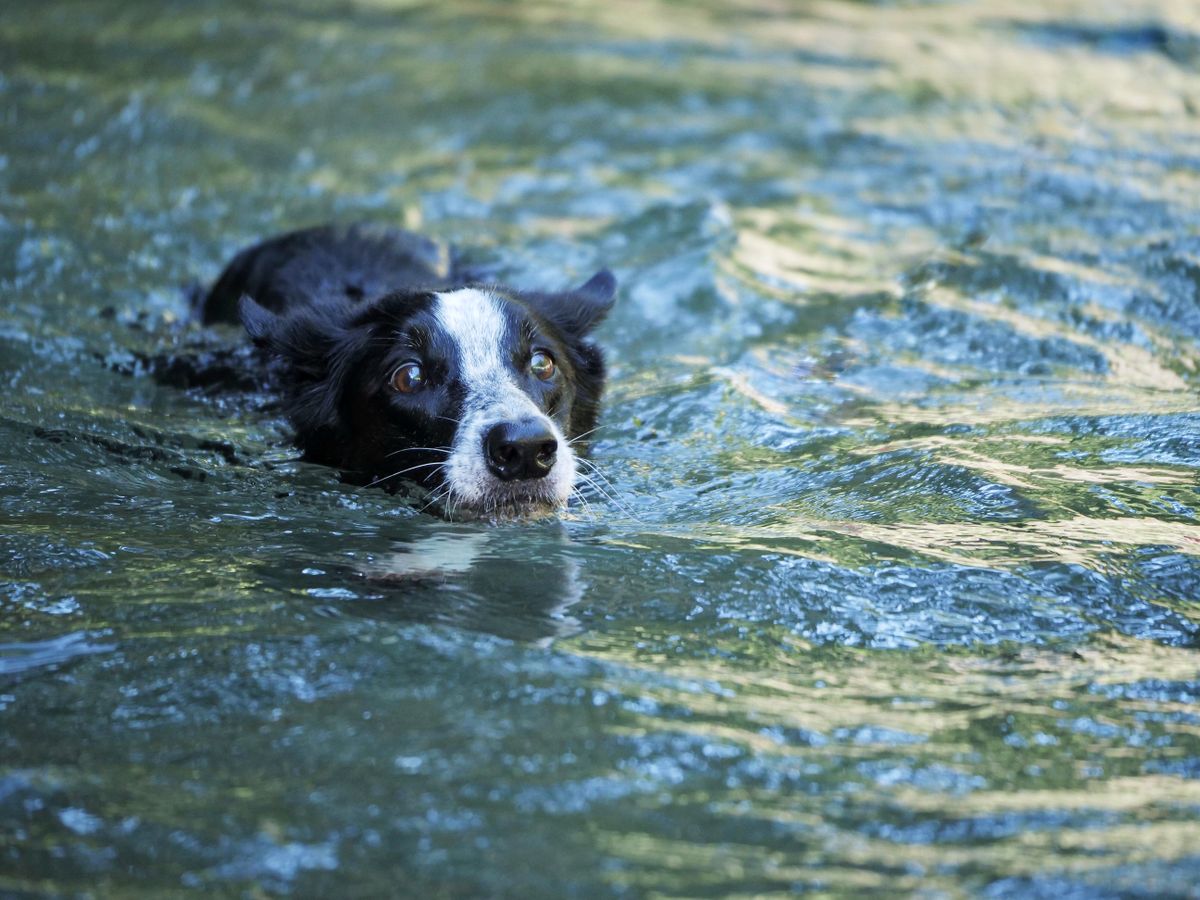
Swimming Safety for Dogs in Summer
Not every dog is a natural swimmer, and summer's abundance of pools, lakes, and rivers means swimming safety deserves more attention than it usually gets.

Thanksgiving Table Scraps: What's Safe and What's Not
The Thanksgiving table has both genuinely safe options and several classic hazards, and knowing the difference lets you share a bit without real risk.

Warm Weather Parasite Season: Fleas, Ticks, and Heartworm
Parasite activity ramps up significantly with warmer weather, and understanding the seasonal pattern helps you time prevention appropriately.

Wildfire Season: Air Quality and Pet Health
Poor air quality from wildfire smoke affects pets similarly to people, and monitoring local air quality has become a genuinely relevant pet care habit.
Winter Cold Weather Safety for Dogs and Cats
Cold tolerance varies enormously by breed, coat type, and size, making a single 'safe temperature' guideline less useful than understanding your specific pet.

Winter Weight Gain and Reduced Activity
Shorter days and colder weather reliably reduce exercise for many pets, and a proactive approach prevents the gradual weight creep this pattern causes.
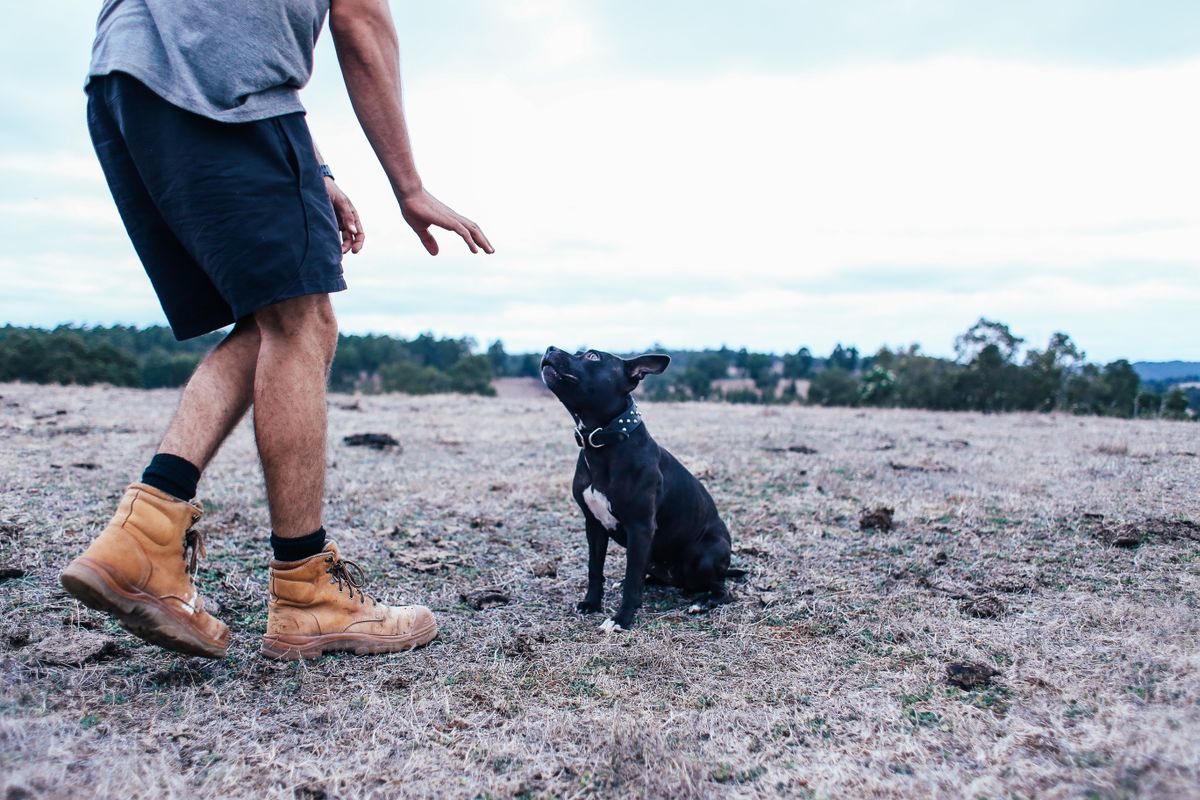
Year-Round Parasite Prevention: Does Climate Change the Rules?
The traditional seasonal on/off approach to parasite prevention has shifted toward year-round recommendations in most of the country, for real reasons.