Daylight Saving Time and Pet Routines

Pets operate on internal routines tied to consistent timing rather than clock numbers, and the twice-yearly daylight saving time shift creates a genuine, if temporary, disruption as their expected feeding, walking, and activity schedule suddenly shifts by an hour relative to actual clock time.
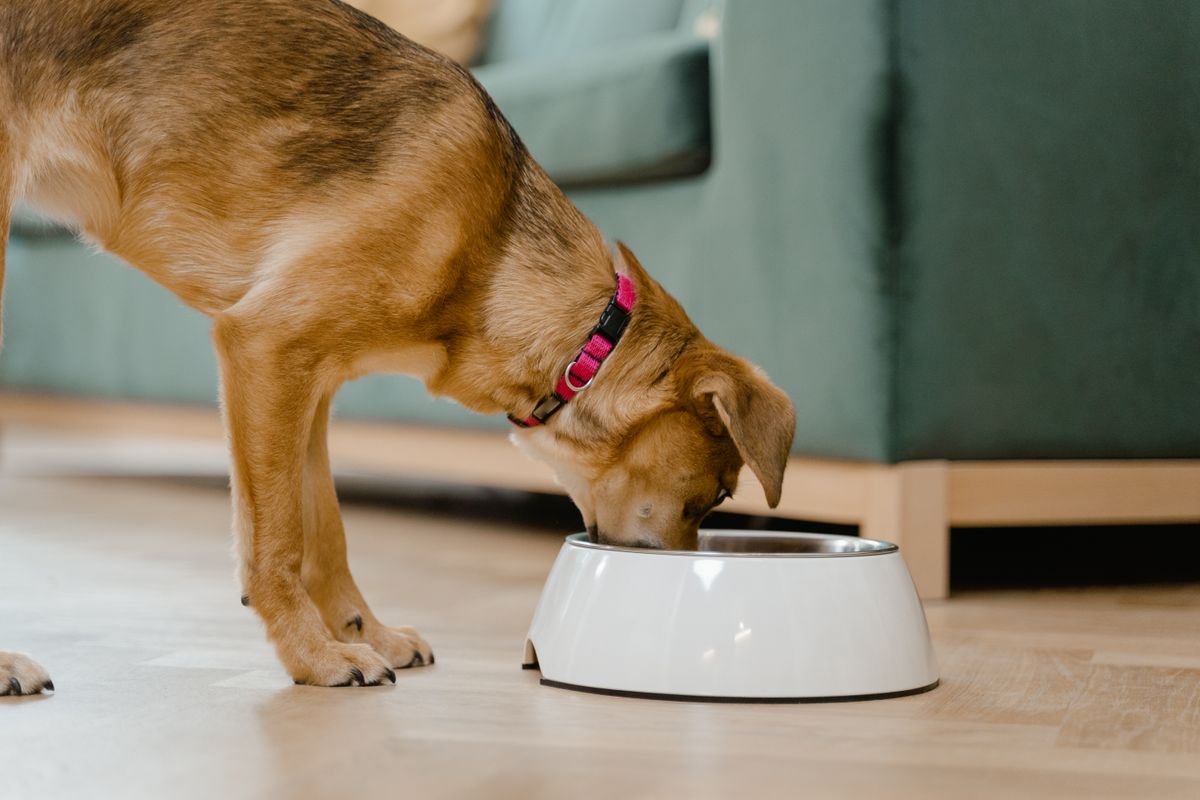
The "spring forward" transition tends to be more noticeable for many pets, since it effectively means everything happens an hour "later" relative to their internal sense of timing, which can show up as a hungry, restless pet at what feels to them like their normal mealtime, even though the clock says it's not time yet.
Mild, temporary appetite and energy changes are common during the adjustment period, generally resolving within a few days to a week as pets adapt to the new schedule — this is normal and not typically a cause for concern on its own.
A gradual adjustment approach can smooth the transition — shifting feeding and walk times by 10-15 minutes each day in the days leading up to or following the time change, rather than an abrupt full hour shift all at once, tends to be easier for pets to adjust to than a sudden change.
Senior pets and those with any anxiety tendencies sometimes show a more pronounced or longer-lasting adjustment period than younger, more adaptable pets, worth keeping in mind if your specific pet tends to be more routine-dependent generally.
If appetite or behavior changes persist beyond a week or two past either time change, this is likely no longer related to the daylight saving transition itself and warrants the same attention any other unexplained change would — the time change is a reasonable initial explanation for a few days of disruption, not an indefinite one.
What to do: Consider a gradual schedule shift around each time change rather than an abrupt adjustment, expect a few days of mild disruption as normal, and treat any changes persisting well beyond that window as needing their own investigation rather than continued attribution to the time change.
For appetite changes specifically, and when they cross from adjustment-related into something needing attention, here's a closer look.
Still have questions?
Don't rely on Google if your pet is showing symptoms. Get a professional opinion in minutes.
Talk to a Vet Now