Summer Pet Safety: Heatstroke, Paws, and Hydration
Prepared by the Waggle editorial team. This article is educational, not a diagnosis or an individual veterinary review.
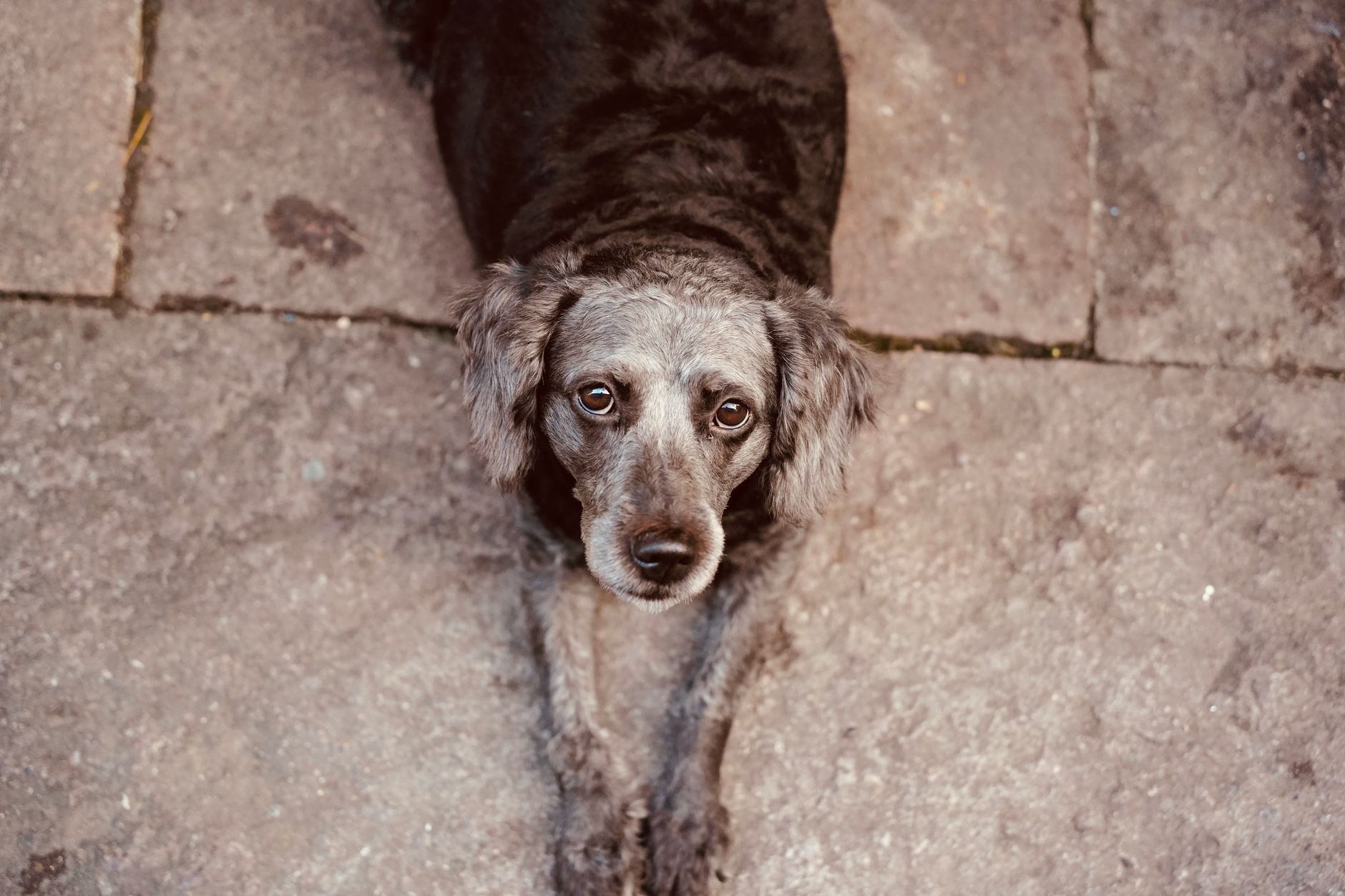
Photo by Troy Guo on Pexels. Illustrative photo; not a patient or clinical diagnosis.
Summer brings long walks and outdoor fun, but heat is one of the biggest seasonal risks for pets. Dogs and cats can't sweat like we do, so they overheat faster than most owners expect.
If your pet has trouble breathing, collapses, cannot urinate, has an ongoing/repeated seizure or may have swallowed poison, call an emergency veterinary clinic immediately. Do not wait for an online consultation or for paperwork.
Know the signs of heatstroke
Heatstroke can develop quickly. Watch for heavy panting, thick drool, bright red or pale gums, vomiting, wobbliness, weakness or collapse. Flat-faced breeds, seniors, puppies and overweight pets are at higher risk.
Never leave a pet in a parked car
Car interiors heat up within minutes, even with windows cracked and even on mild days. Take your pet with you or leave them at home.
Protect paws from hot surfaces
Pavement, sand and metal can burn paw pads. Try the back-of-hand test: if you can't hold your hand on the surface for five seconds, it's too hot for paws. Walk early or late, stay on grass or shade, and check pads for redness, blisters or limping.
Keep pets hydrated
- Carry fresh water and a collapsible bowl on every outing
- Offer water often, not just when your pet seems thirsty
- Provide shade and cool resting spots at home
- Skip strenuous exercise during the hottest hours
Other summer risks
Light-coated pets can sunburn on noses and ears. Rivers and pools carry drowning and algae risks. Flea and tick activity also peaks, so keep prevention current. If you need in-person care, find a nearby veterinarian.
If you suspect heatstroke
Move your pet to shade or air conditioning, offer small sips of cool water, and contact a vet or emergency clinic right away. Heatstroke is an emergency even if your pet seems to recover.
FAQs
How hot is too hot for walking a dog?
It depends on breed, age and humidity. When in doubt, walk in the early morning or evening and test the pavement first.
What if I'm not sure it's heatstroke?
If heat exposure is followed by heavy panting, weakness, vomiting, confusion or collapse, start cooling and contact an emergency clinic immediately. Do not wait for an online chat.
Related reading
- Winter Pet Care: Cold-Weather Risks for Dogs and Cats
- Holiday Hazards: Foods and Plants That Send Pets to the Vet
- What Belongs in Your Pet's Complete Health File
Waggle resources
Find nearby US veterinary clinics
Sources and further guidance
- Merck Veterinary Manual: veterinary-reviewed pet owner resources
- Royal Veterinary College: heatstroke in dogs and cats
Sources checked October 13, 2026. These references inform the guidance; they do not mean the authors medically reviewed or endorsed this article.
Still have questions?
For non-emergency questions, explore Waggle Vet. Trouble breathing, collapse, suspected poisoning or other severe signs need immediate in-person emergency care—do not wait for an online chat.
Explore Waggle Vet

