Garden and Lawn Chemical Safety in Spring/Summer
Peak gardening and lawn care season means significantly more frequent pet exposure to fertilizers, pesticides, and freshly treated grass than the rest of the year, making this a worthwhile seasonal safety check even for households that don't think of themselves as heavy chemical users.
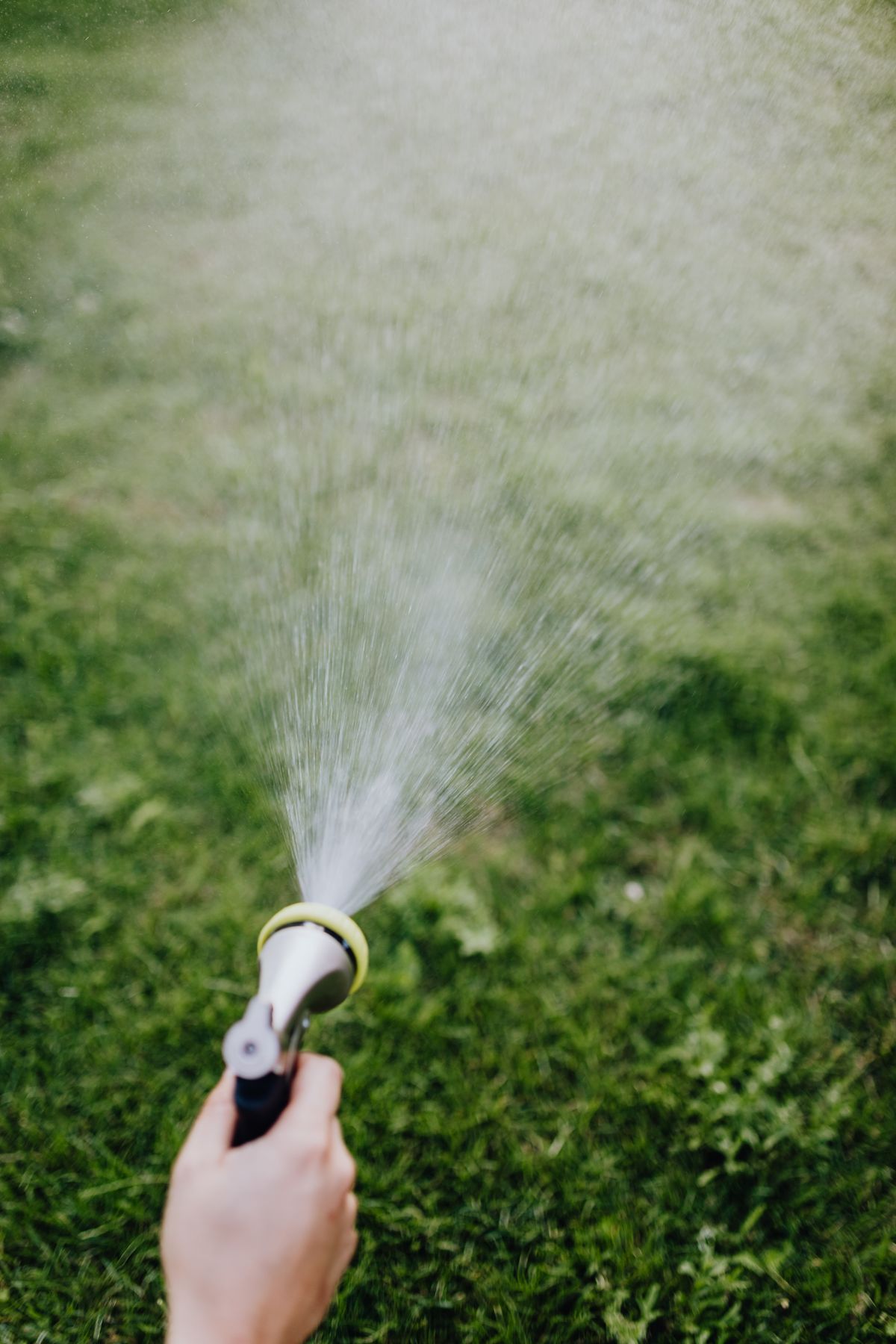
Read and follow product-specific re-entry timeframes for any lawn treatment — most products specify how long to keep pets (and people) off treated areas, commonly 24-72 hours depending on the specific product, and this timeframe exists for genuine safety reasons rather than being an overly cautious suggestion.
Combination "weed and feed" products carry more risk than plain fertilizer alone, given the added herbicide or pesticide component, and deserve extra attention to application timing and pet access restriction compared to simpler fertilizer-only products.
Garden pesticides and slug/snail bait are common seasonal additions to a yard that carry real toxicity risk, particularly metaldehyde-based slug bait, which is attractive to some dogs and can cause severe symptoms — storing these products securely and considering pet-safer alternatives (iron phosphate-based slug bait, for example) reduces this seasonal risk.
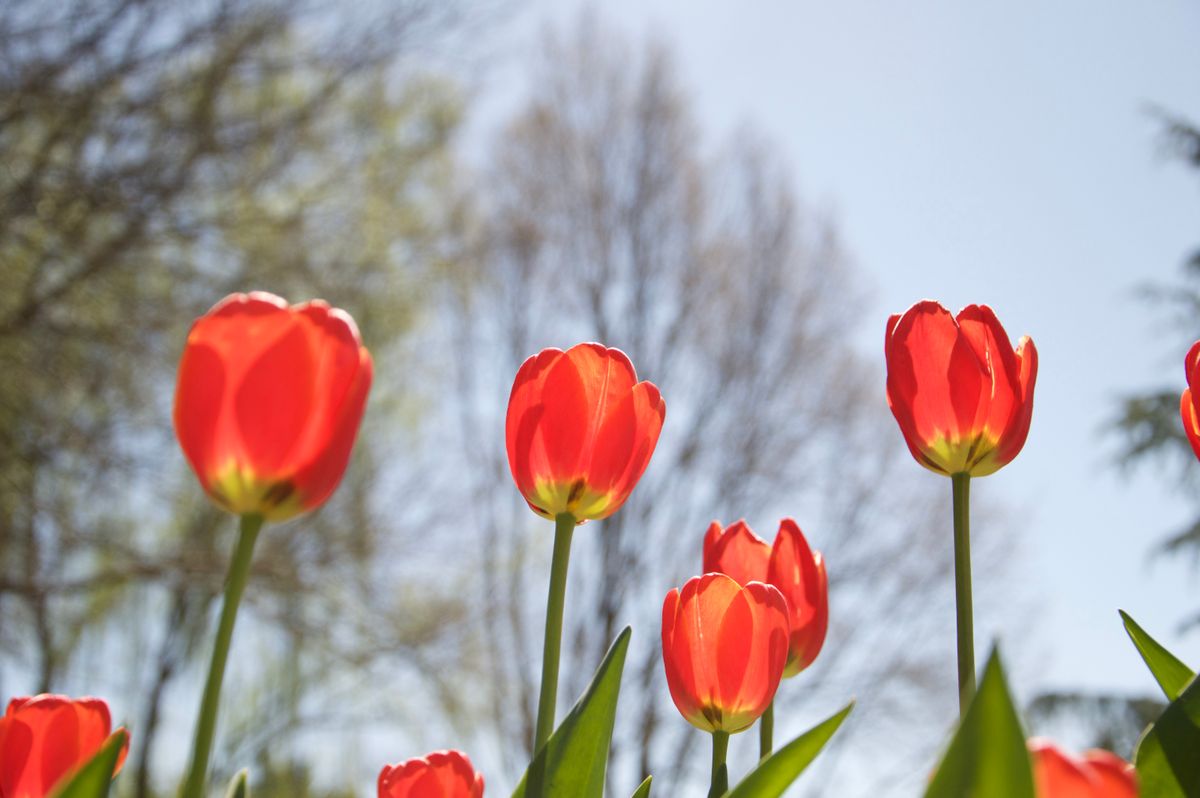
Spring bulb planting season overlaps with a specific plant toxicity risk — tulip and daffodil bulbs are considerably more toxic than the cut flowers, and dogs digging in freshly planted beds can access bulbs before they're ever visible as flowers, a seasonal timing worth being aware of specifically during planting season.
Compost piles, more actively used and turned during gardening season, can also harbor moldy food waste capable of causing the tremorgenic mycotoxin reaction covered elsewhere, another seasonal risk tied to increased garden and yard activity.
What to do: Follow product-specific safety timeframes for any lawn treatment, store garden chemicals and slug bait securely, and supervise pets around freshly planted bulb beds during spring planting season specifically.
For the specific bulb toxicity risk this planting season creates, here's more detail.
Still have questions?
Don't rely on Google if your pet is showing symptoms. Get a professional opinion in minutes.
Talk to a Vet Now