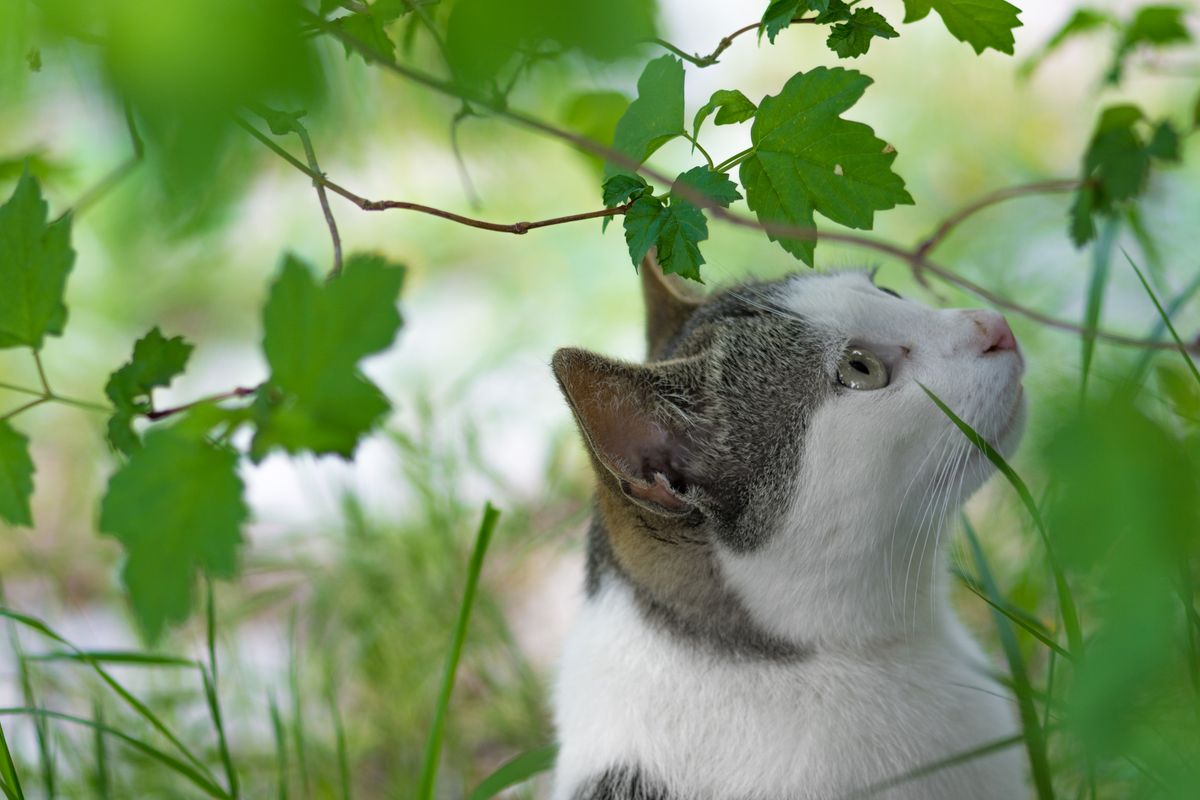
Seasonal Allergies: Year-Round vs. Seasonal Patterns

Distinguishing whether your pet's allergy symptoms follow a genuinely seasonal pattern or persist year-round provides real diagnostic information, since the underlying triggers and appropriate management approach differ meaningfully between these two patterns.
True seasonal allergies track with specific environmental triggers — tree pollen in spring, grass pollen in summer, ragweed and mold spores in fall — meaning symptoms flare during the relevant season and improve or resolve during other times of year when that specific trigger isn't present in the environment.
Year-round symptoms point toward different, non-seasonal triggers — dust mites, indoor mold, certain foods, or other allergens present consistently regardless of season, and identifying a year-round pattern shifts the investigation toward these persistent triggers rather than seasonal environmental factors.
Some pets show a combination pattern — a baseline of mild, chronic symptoms from a year-round trigger, with additional flares during specific seasons layering on top from seasonal environmental allergens, making the overall picture look worse during certain months without being purely seasonal.
Tracking symptom timing over at least a full year provides much more useful diagnostic information than assessing based on a single season's observation — a symptom pattern that seems seasonal after one springtime flare might reveal itself as actually more persistent once observed across a full annual cycle.
Management approaches differ based on this pattern — genuinely seasonal allergies might be managed with a defined treatment period during the relevant season, while year-round symptoms typically require ongoing management or a more thorough investigation into environmental or dietary triggers that don't have a natural seasonal endpoint.
What to do: Track your pet's symptom pattern across a full year if possible before assuming a purely seasonal or purely year-round classification, and share this timeline with your vet to help guide a more targeted management approach.
For the specific presentation of seasonal allergies particularly common in spring, here's a closer look.
Still have questions?
Don't rely on Google if your pet is showing symptoms. Get a professional opinion in minutes.
Talk to a Vet Now