Spring and Fall Transitions: Adjusting Pet Routines Seasonally
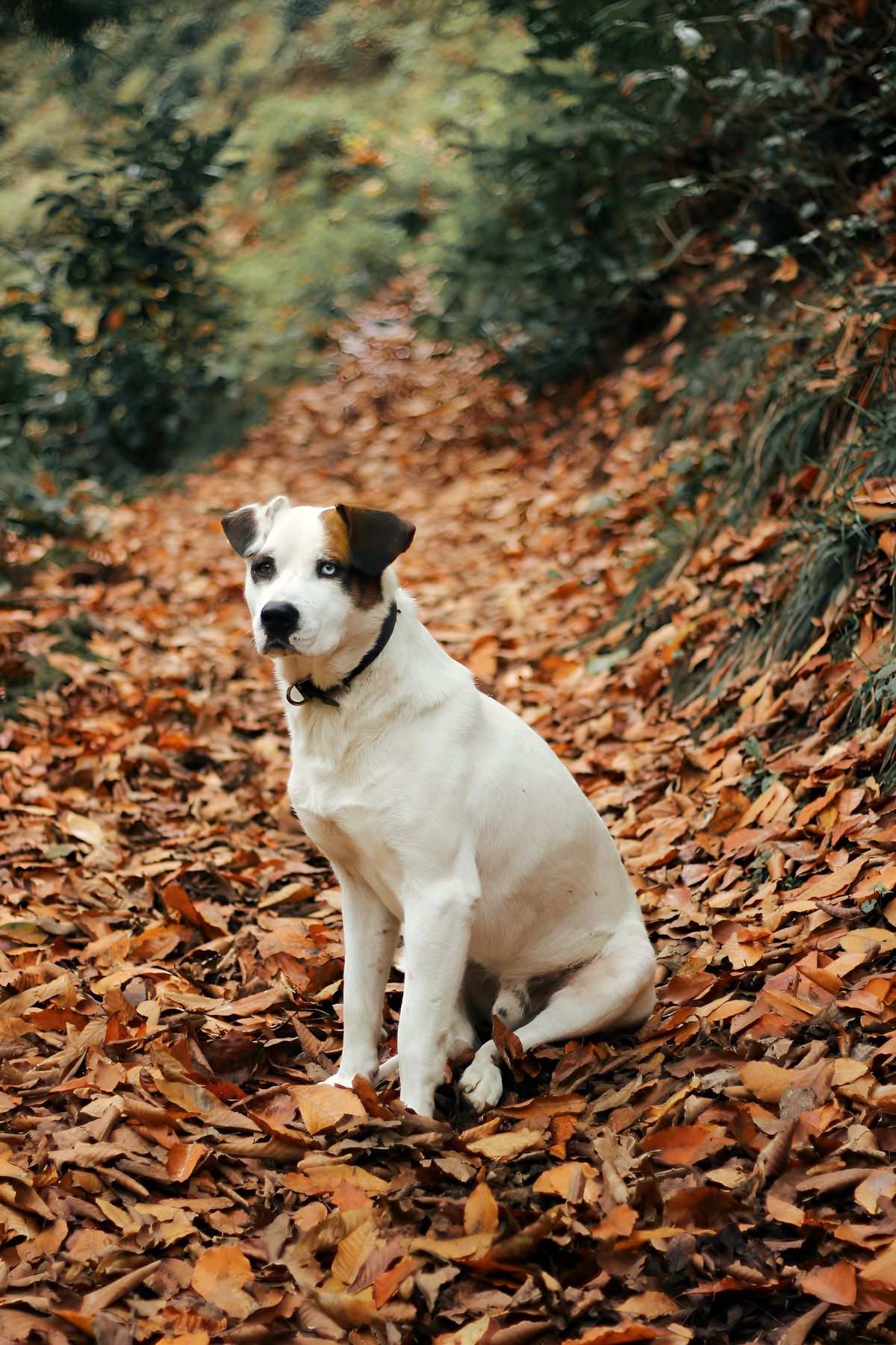
The shoulder seasons — spring and fall — bring their own set of worthwhile routine adjustments, distinct from the more extreme summer heat or winter cold precautions, and thinking through these transitions deliberately helps you stay ahead of seasonal patterns rather than only reacting once extreme conditions arrive.
Spring transition priorities include starting or confirming parasite prevention is active before flea and tick season ramps up, preparing for increased shedding in double-coated breeds, watching for the onset of seasonal allergy symptoms, and gradually reintroducing more outdoor activity as weather improves after a less active winter.
Fall transition priorities include the reverse pattern — beginning to plan for reduced daylight affecting walk timing and visibility (reflective gear for early morning or evening walks becomes more relevant), watching for the winter weight-gain pattern before it fully sets in, and completing any outdoor home maintenance or garden cleanup that might otherwise leave hazards (chemicals, tools, fallen items) accessible to pets over winter.
Both transitions are good natural checkpoints for a wellness review — using the seasonal shift as a reminder to confirm vaccinations are current, parasite prevention is appropriately active for the coming season, and any seasonal grooming or coat-care adjustments are planned ahead of the more extreme part of that season arriving.
Weight and body condition are worth checking at both transitions specifically — spring as a check on any winter weight gain that crept in, and fall as a proactive baseline before the typical winter activity reduction begins.
Building these seasonal check-ins into a twice-yearly routine, timed around the actual season changes rather than only your pet's annual vet visit date, provides more timely course-correction than waiting for a once-yearly checkup to catch a seasonal pattern that's been building for months.
What to do: Use each seasonal transition as a deliberate checkpoint for parasite prevention timing, weight and activity review, and any season-specific preparation, rather than only reacting once extreme summer or winter conditions have already arrived.
For the specific parasite prevention timing this spring checkpoint addresses, here's more detail.
Still have questions?
Don't rely on Google if your pet is showing symptoms. Get a professional opinion in minutes.
Talk to a Vet Now