Seasonal Shedding: When It's Normal and When It's Not
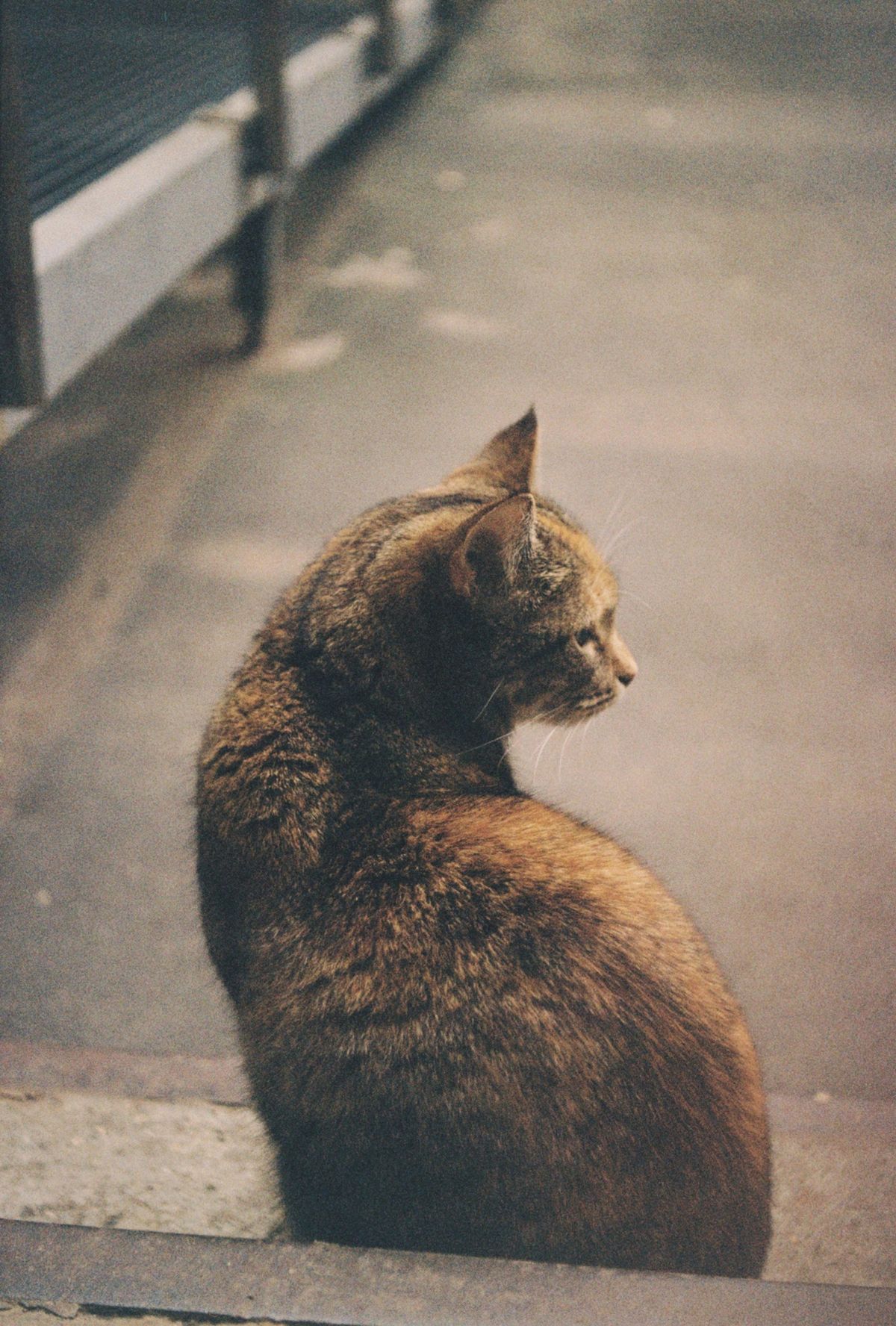
Heavy shedding during seasonal transitions, particularly spring and fall, is genuinely normal for many double-coated breeds, and understanding what fits this normal pattern versus what suggests something else helps you know when heavy shedding is expected versus worth investigating.
Normal seasonal shedding tends to be relatively uniform across the body rather than concentrated in specific patches, and the underlying skin, once fur is brushed away, generally looks healthy — no redness, scabbing, or irritation, just skin with less fur coverage than usual during the heaviest shedding period.
Patchy hair loss, rather than uniform thinning, points toward something beyond normal seasonal shedding — this pattern is more consistent with a skin infection, parasitic issue (mange, ringworm), or in some cases, a hormonal condition affecting coat growth, and warrants a vet visit rather than being attributed to seasonal shedding.
Accompanying skin symptoms change the picture — redness, scabbing, visible irritation, or excessive scratching alongside shedding suggests an underlying skin condition rather than simple seasonal coat turnover, since normal shedding alone doesn't typically cause these additional signs.
A sudden, dramatic increase in shedding outside the typical seasonal pattern, especially in a breed that doesn't normally show pronounced seasonal shedding, can indicate stress, a nutritional deficiency, or an underlying health condition affecting coat health more broadly.
Non-shedding or low-shedding breeds showing sudden significant hair loss deserves more prompt investigation than the same pattern in a heavy seasonal shedder, precisely because it's outside their normal pattern entirely rather than an expected seasonal event.
What to do: Distinguish uniform, healthy-skin shedding that matches your breed's known seasonal pattern (normal) from patchy hair loss or shedding accompanied by skin irritation (worth investigating), and treat any dramatic change from your specific pet's individual normal pattern as a signal to check with a vet.
For coat care specifically during the heaviest normal shedding periods, here's a practical guide.
Still have questions?
Don't rely on Google if your pet is showing symptoms. Get a professional opinion in minutes.
Talk to a Vet Now