Wildfire Season: Air Quality and Pet Health
Wildfire season has expanded and intensified across much of the western United States and other fire-prone regions in recent years, and poor air quality from smoke — even without direct fire exposure — genuinely affects pet respiratory health in ways worth monitoring as a real, seasonal concern rather than an occasional anomaly.
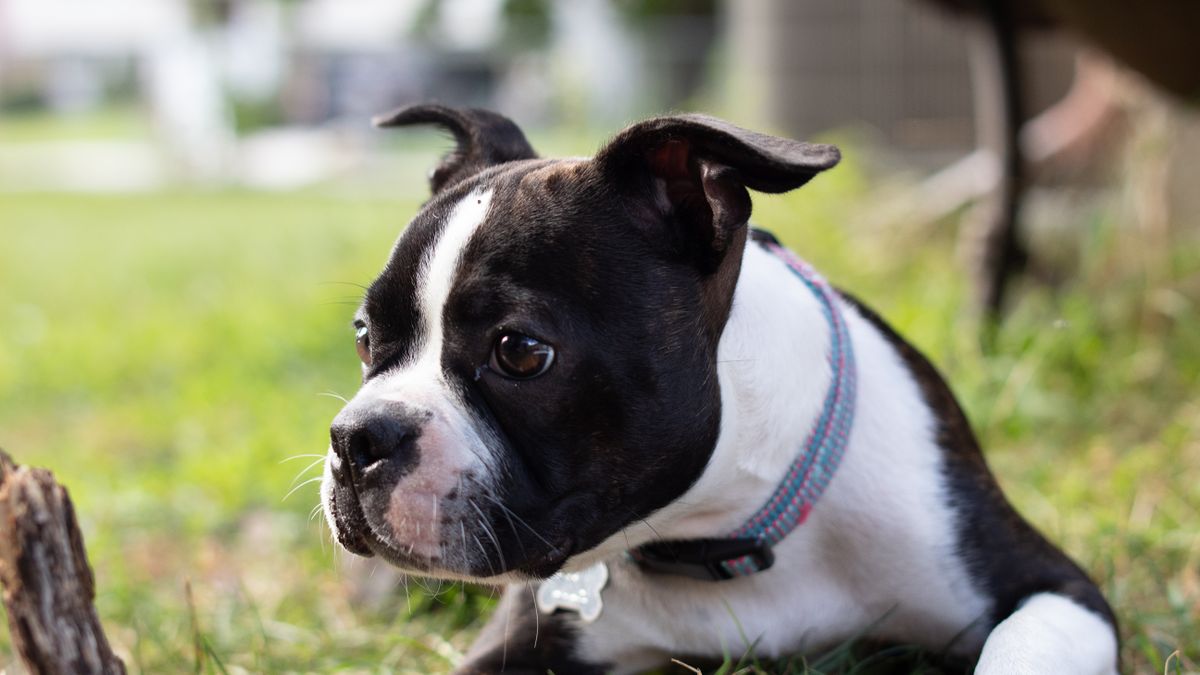
Checking local air quality index (AQI) readings has become a genuinely relevant pet care habit in fire-prone regions during fire season, similar to how people with respiratory sensitivities monitor AQI for their own activity planning — the same general guidance (limiting outdoor time when AQI reaches unhealthy levels) applies to pets, particularly brachycephalic breeds and those with any existing respiratory condition.
Limiting outdoor exercise and time during poor air quality days reduces the respiratory irritation risk, even without direct visible smoke — hazy or smoky-smelling air, even at a distance from an active fire, indicates elevated particulate matter that affects respiratory health with prolonged exposure.
Keeping windows closed and running air purification when available helps maintain better indoor air quality during smoke events, an easy and effective mitigation for the time pets (and people) spend indoors during heavy smoke periods.
Watch for respiratory symptoms during smoke exposure periods — coughing, labored breathing, or unusual lethargy during a smoky period warrants attention, and pets with existing respiratory conditions or brachycephalic anatomy face elevated risk of a more significant reaction to the same air quality conditions a healthier pet might tolerate without obvious symptoms.
RV travelers moving through fire-affected regions face a particular version of this concern, sometimes with less control over air quality than a stationary home with air purification might provide — checking regional air quality before route planning during fire season is a reasonable addition to other travel preparation.
What to do: Monitor local AQI during fire season, limit outdoor pet activity on poor air quality days, use indoor air purification where available, and watch more closely for respiratory symptoms in at-risk pets during smoke events.
For the specific signs of smoke-related respiratory harm to watch for, here's a closer look.
Still have questions?
Don't rely on Google if your pet is showing symptoms. Get a professional opinion in minutes.
Talk to a Vet Now