Ice and Snow: Paw and Joint Safety in Winter
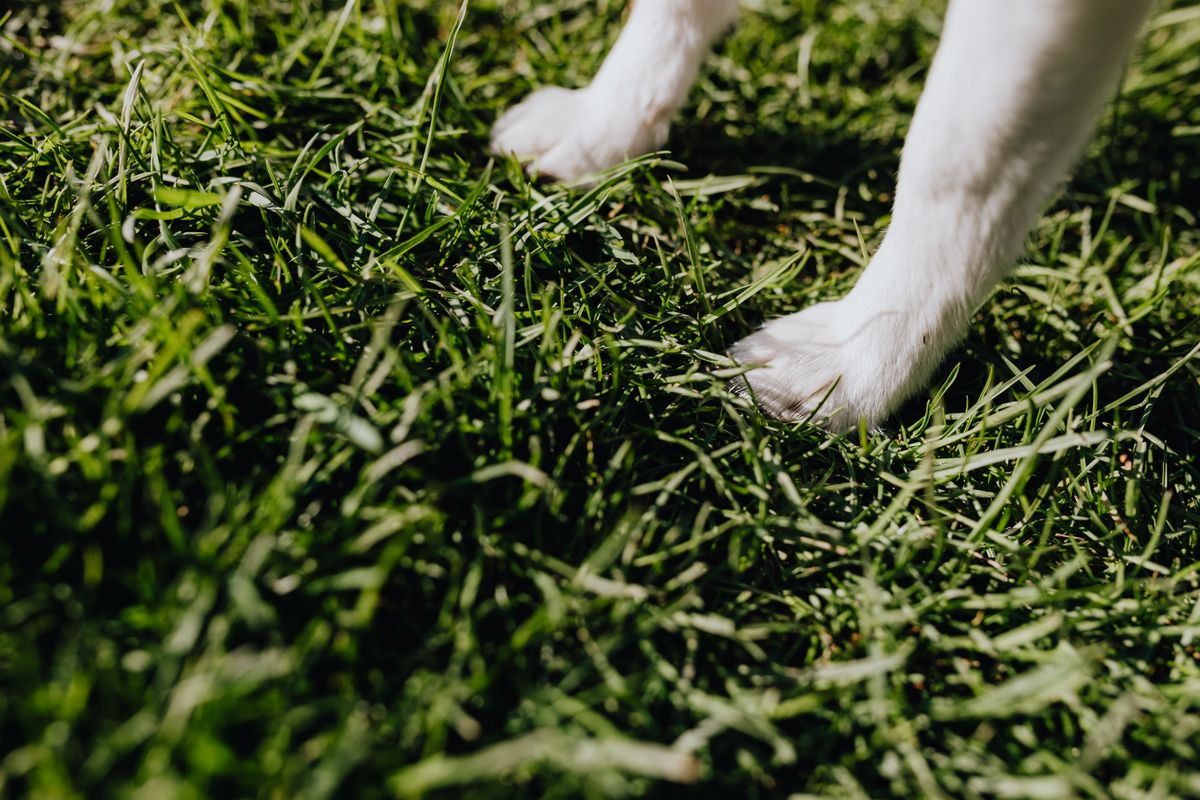
Snow and ice conditions bring specific paw injury risks beyond simple cold exposure, along with added joint strain that matters particularly for senior or already arthritic pets navigating slippery or uneven winter terrain.
Ice buildup between toe pads is a common and uncomfortable winter issue, particularly for longer-haired breeds, where snow packs into small ice balls between the toes, causing pain and an altered, uncomfortable gait — trimming excess paw hair before winter and checking paws after any snow exposure helps prevent and catch this issue.
Salt and ice melt products cause both direct paw irritation and licking-related ingestion risk, covered in more detail elsewhere, making paw wiping after any walk on treated surfaces a genuinely worthwhile winter habit.
Ice itself presents a slip and fall injury risk distinct from the cold or the ice melt chemicals — a fall on ice can cause anything from minor strain to more serious injury, and this risk is meaningfully elevated for senior pets or those with existing joint issues, who may have less stable footing and less physical resilience to a hard fall.
Cold weather can worsen arthritis symptoms directly, separate from the fall risk — many arthritic pets show increased stiffness and discomfort specifically during cold weather, similar to the pattern some people with arthritis report, making winter a period worth watching more closely for mobility changes in senior or joint-affected pets.
Booties provide real protection against both ice/salt exposure and some slip risk, for dogs who tolerate wearing them, and a gradual introduction well before winter conditions arrive increases the likelihood of a dog accepting them when actually needed.
What to do: Trim paw hair before winter for longer-haired breeds, wipe paws after any walk on treated or icy surfaces, watch senior or arthritic pets more closely for increased stiffness during cold weather, and consider booties for added protection if your dog will tolerate them.
For the specific joint pain signs worth watching for, especially relevant during this seasonal cold-weather stress, here's a closer look.
Still have questions?
Don't rely on Google if your pet is showing symptoms. Get a professional opinion in minutes.
Talk to a Vet Now