Large-Breed Dogs: Joint and Bloat Risks to Watch
Prepared by the Waggle editorial team. This article is educational, not a diagnosis or an individual veterinary review.

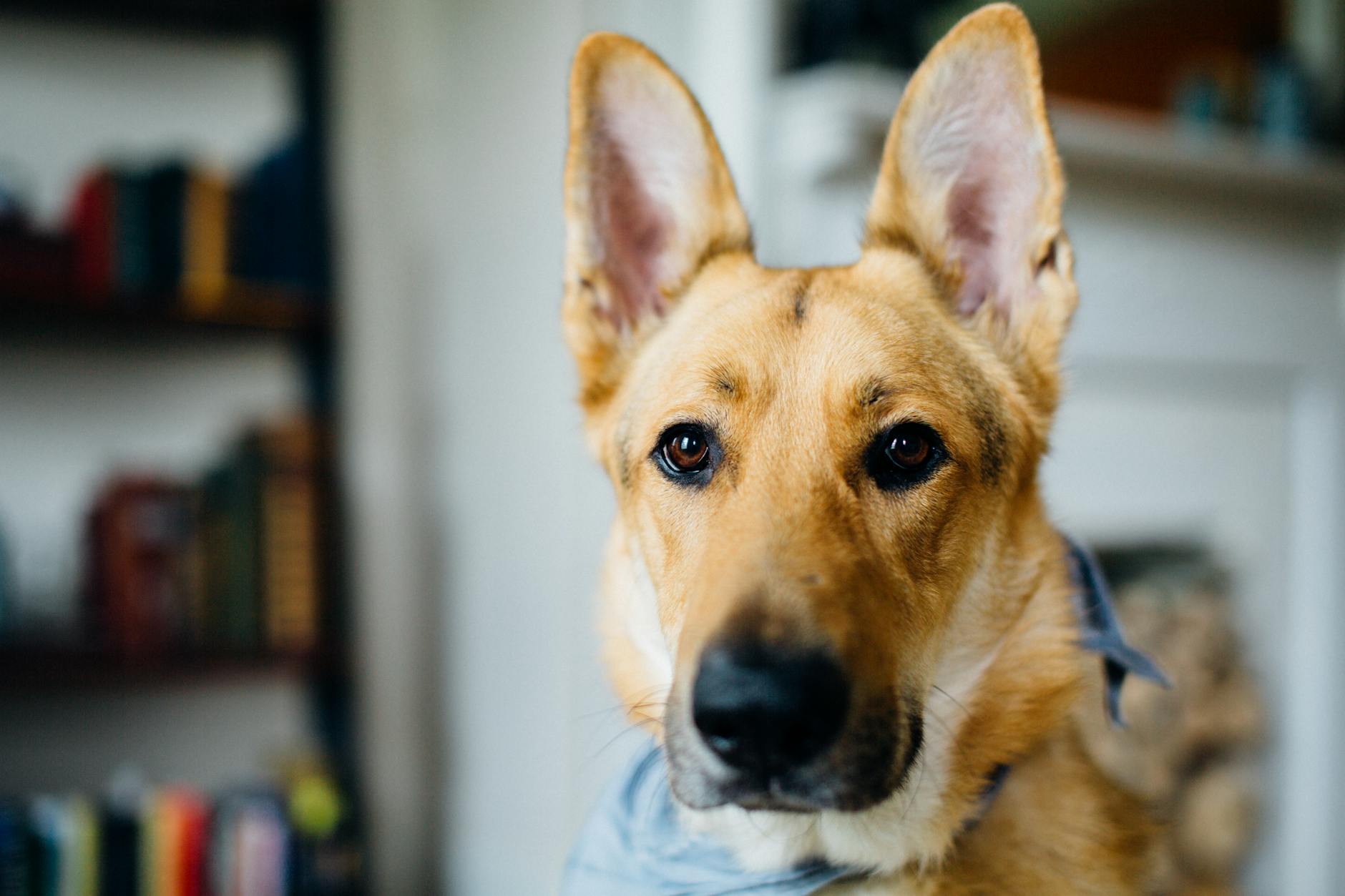
Photo by Pixabay on Pexels. Illustrative photo; not a patient or clinical diagnosis.
Large and giant breeds, like Labradors, German Shepherds, Great Danes and Mastiffs, bring big personalities and some big health considerations.
If your pet has trouble breathing, collapses, cannot urinate, has an ongoing/repeated seizure or may have swallowed poison, call an emergency veterinary clinic immediately. Do not wait for an online consultation or for paperwork.
Joint disease
Hip and elbow dysplasia, arthritis and cruciate ligament injuries are common in larger dogs. Signs include stiffness after rest, bunny-hopping, reluctance to jump or climb stairs and a change in gait.
Growing right
Large-breed puppies grow fast, and too many calories or the wrong diet can stress developing joints. Ask your vet about a large-breed puppy food and how to keep growth steady and lean.
Keep your dog lean
Extra weight is one of the biggest factors in joint disease. A lean dog tends to move more comfortably and may be less prone to arthritis.
Bloat (gastric dilatation-volvulus)
Bloat happens when the stomach fills with gas and may twist. It is a life-threatening emergency, and deep-chested breeds are at higher risk.
Signs of bloat
- Swollen, tight belly
- Unproductive retching or drooling
- Restlessness, pacing or discomfort
- Pale gums, rapid breathing or collapse
If you suspect bloat, go to an emergency clinic immediately. Minutes matter. Find a vet near me before you need it.
Lowering the risk
Ask your vet about feeding smaller meals, slowing down fast eaters and avoiding vigorous exercise around mealtimes. For some high-risk dogs, vets discuss a preventive surgery called a gastropexy.
Other breed-linked concerns
Some giant breeds are prone to heart disease and certain cancers, so regular exams matter.
FAQs
At what age do large dogs become seniors?
Often around 6 or 7, sooner for giant breeds.
Can I ask about joint pain online?
Yes. Talk to a licensed vet on Waggle Vet, and store X-rays and records in your Waggle Vault. For suspected bloat, go straight to the ER.
Related reading
- Flat-Faced Breeds: Health Risks Every Owner Should Know
- Small-Breed Health: Dental and Trachea Concerns
- What Belongs in Your Pet's Complete Health File
Waggle resources
Find nearby US veterinary clinics
Store pet documents with Waggle Vault
Sources and further guidance
- Merck Veterinary Manual: veterinary-reviewed pet owner resources
- AVMA: first aid for pet owners
- Merck Veterinary Manual: stomach and intestinal disorders in dogs
Sources checked October 13, 2026. These references inform the guidance; they do not mean the authors medically reviewed or endorsed this article.
Still have questions?
For non-emergency questions, explore Waggle Vet. Trouble breathing, collapse, suspected poisoning or other severe signs need immediate in-person emergency care—do not wait for an online chat.
Explore Waggle Vet