Litter Box Training and Health Signs to Watch
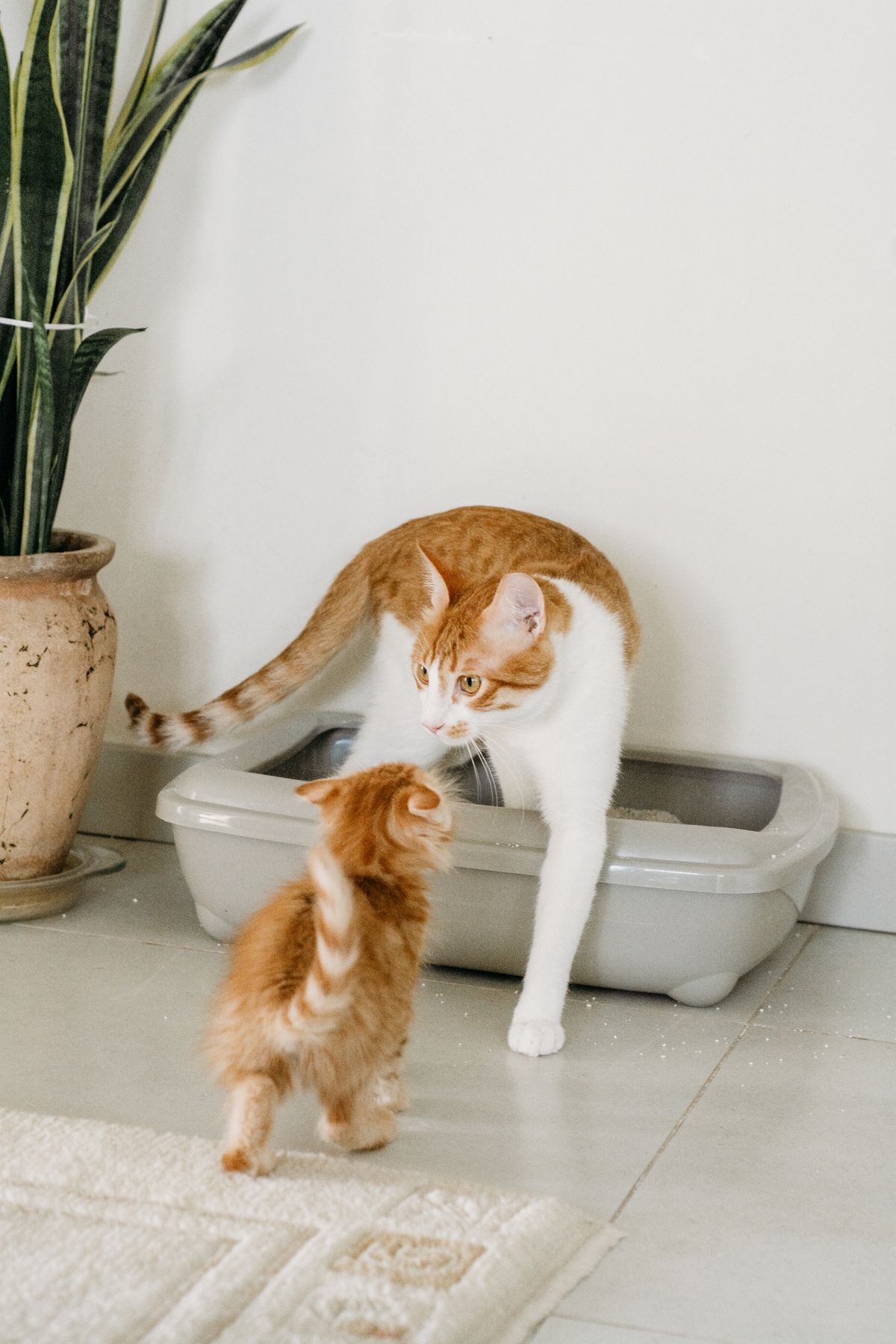
Most kittens take to using a litter box with relatively minimal active training required, since the instinct to dig and bury is largely innate — the process is generally more about providing the right setup than actively teaching a new behavior from scratch.
Setup basics matter more than training technique: an appropriately sized box (not too large for a small kitten to feel comfortable in, but with room to grow into), unscented litter (strong scents can be off-putting to sensitive kitten noses), and a quiet, accessible location away from food and high-traffic areas all support successful, consistent litter box use.
Once established, litter box habits become one of the most useful ongoing health monitoring tools available, precisely because changes here often provide early signals of a developing issue before other symptoms become obvious. Straining without producing much, going more or less frequently than usual, or any blood in urine or stool are all worth noting and often prompt a vet visit before a kitten shows more obvious signs of feeling unwell.
Litter box avoidance specifically — a kitten who stops using the box, urinates or defecates elsewhere, or seems to associate the box with discomfort — is worth investigating rather than assuming it's purely a behavioral preference issue, since pain associated with elimination (from a urinary issue or constipation, for example) can cause a cat to avoid the location where they experienced that discomfort.
Multiple boxes for multiple cats (generally one per cat plus one extra) reduces territorial tension that can otherwise contribute to litter box avoidance in multi-cat households.
What to do: Set up an appropriately sized, unscented box in a quiet location, and treat any change in litter box habits as a meaningful health signal worth investigating rather than dismissing as simple pickiness.
For constipation specifically, one of the more common causes of straining in the litter box, here's a closer look.
Still have questions?
Don't rely on Google if your pet is showing symptoms. Get a professional opinion in minutes.
Talk to a Vet Now