Real Limitations of Video Vet Care (An Honest Look)
Being genuinely upfront about what video consultation can't do builds more real trust than marketing language that quietly overstates its capabilities, and understanding these limitations helps you use the service appropriately rather than expecting it to handle situations it fundamentally can't.
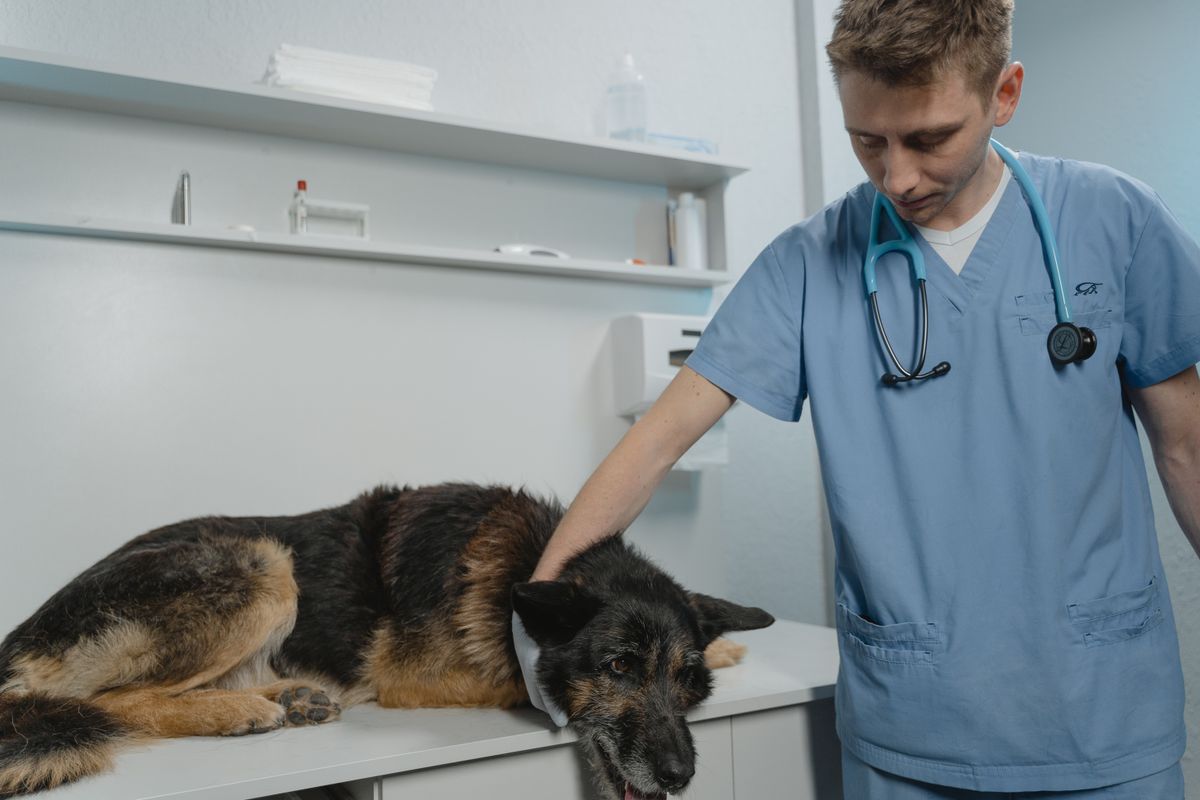
No physical examination means no touch-based assessment — a vet can't feel for a mass, assess pain response to palpation, check joint range of motion directly, or listen to heart and lung sounds with a stethoscope. These are genuinely irreplaceable pieces of information that only in-person examination provides.
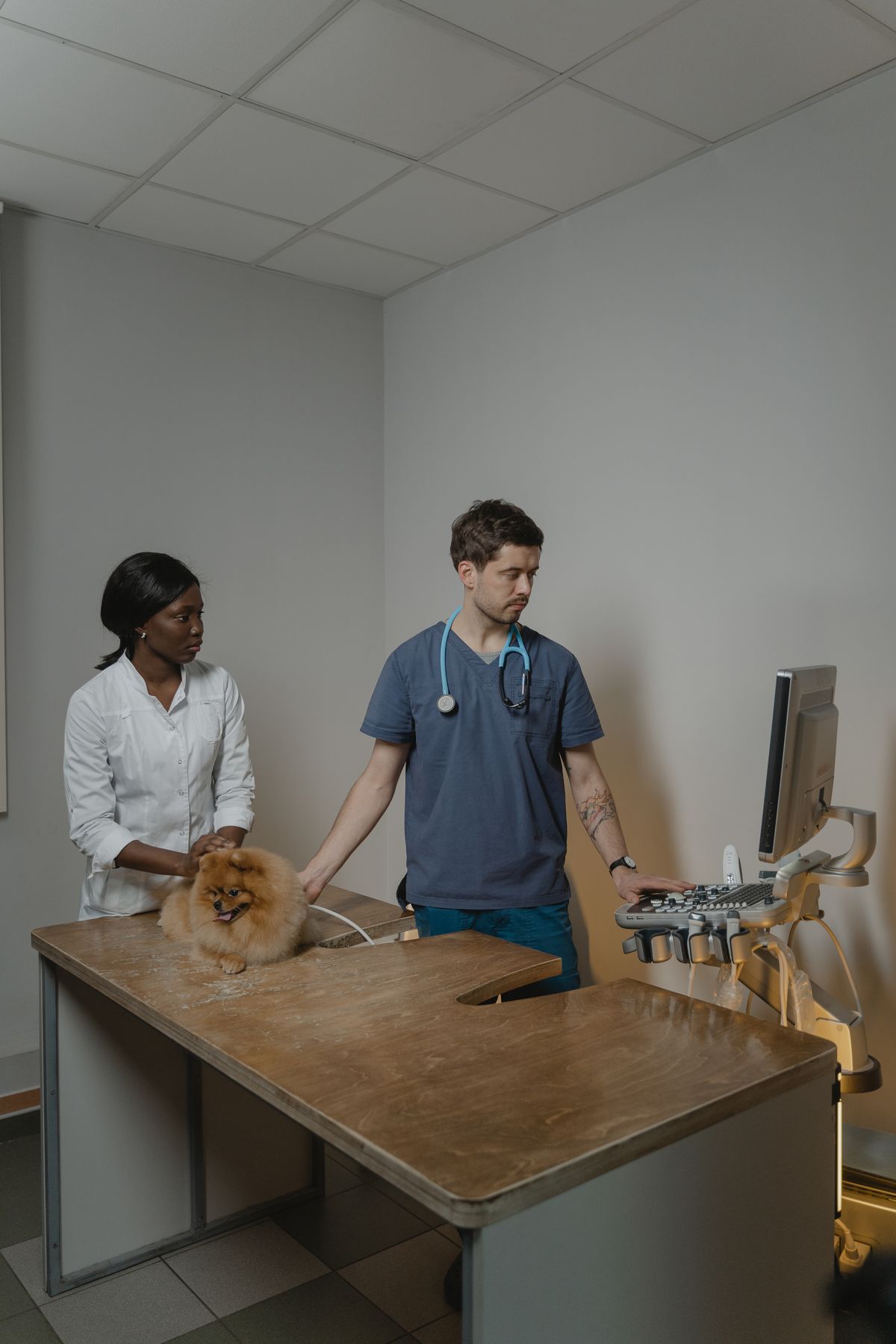
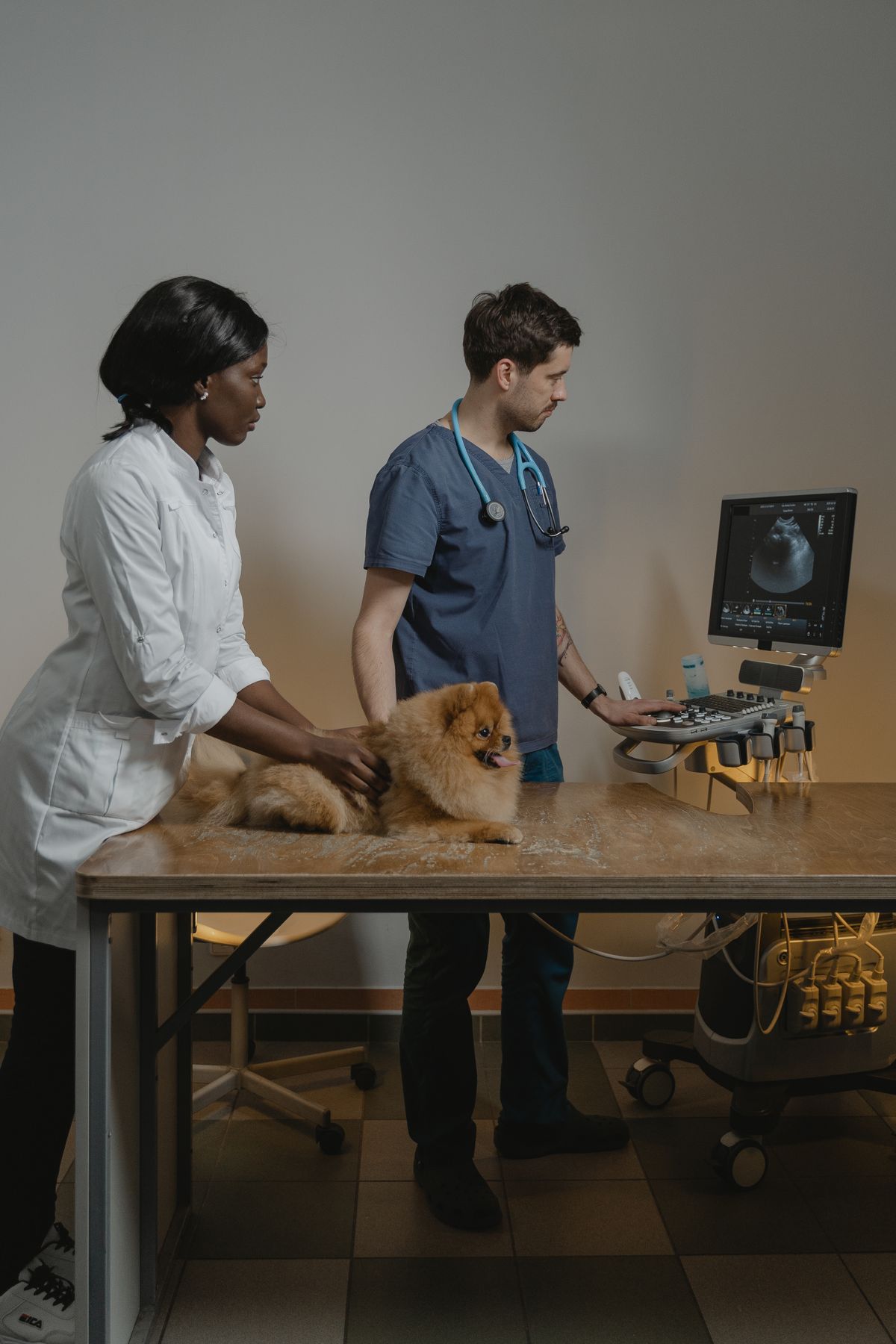
No diagnostic testing capability — bloodwork, x-rays, ultrasound, and lab-based tests simply can't be performed remotely, meaning any situation where these are needed for an actual diagnosis requires in-person care regardless of how helpful the initial video consultation guidance was.
No hands-on treatment capability — wound care beyond guidance, splinting, surgery, injections, and any procedure requiring physical intervention are outside what video consultation can provide directly.
Video and connectivity quality affect what can actually be assessed visually — a poor camera angle, bad lighting, or weak signal can genuinely limit what a vet can observe, even for things that would theoretically be visible on a good connection.
True emergencies with time-critical physical needs, like a suspected venomous bite or active severe bleeding, need immediate in-person intervention where video consultation's role is limited to guidance on what not to do and how to manage the situation while getting to actual care, not treatment itself.
Acknowledging these limitations openly is what makes the service trustworthy for the things it does do well — the triage, guidance, and decision-support value is real and significant, but it exists within these honest boundaries rather than despite pretending they don't exist.
What to do: Use video consultation with a clear understanding of these limitations, and trust guidance that honestly directs you toward in-person or emergency care when a situation falls outside what remote assessment can responsibly handle.
For a real account of a situation where video guidance appropriately supported, rather than replaced, urgent in-person action, here's the full story.
Still have questions?
Don't rely on Google if your pet is showing symptoms. Get a professional opinion in minutes.
Talk to a Vet Now