Caring for a Senior Cat: Signs of Aging to Watch
Prepared by the Waggle editorial team. This article is educational, not a diagnosis or an individual veterinary review.
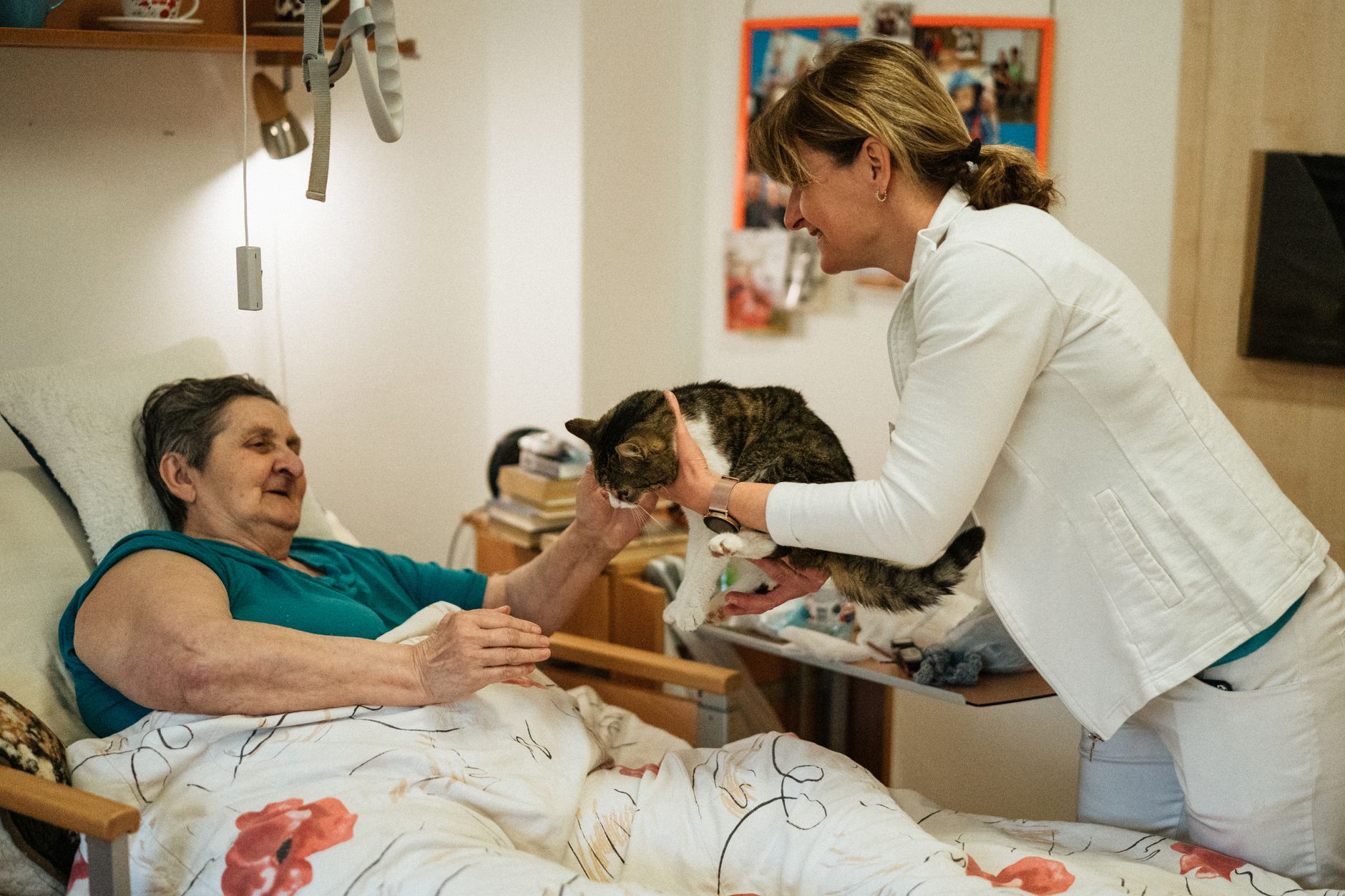
Photo by Jsme MILA on Pexels. Illustrative photo; not a patient or clinical diagnosis.
Cats are experts at hiding discomfort, so aging can sneak up on you. Cats are often considered seniors around age 11, and geriatric around 15. Knowing the signs of aging helps you catch health problems sooner.
Weight and appetite changes
Losing weight while eating normally, or eating much more than usual, deserves a vet's attention. These can be linked to thyroid disease, diabetes or kidney problems, all common in older cats.
Drinking and litter box changes
Increased thirst, bigger urine clumps or missing the litter box are often early clues. Don't assume it's behavior. Pain from arthritis, or a medical condition, may be the cause. Low-sided boxes can make access easier.
Stiffness and arthritis
Arthritis is common in senior cats but often goes unnoticed. Watch for less jumping, hesitating before stairs, reduced grooming and a stiff gait. Steps, ramps and heated beds can help, and your vet can discuss safe pain management.
Dental disease
Drooling, bad breath, dropping food or chewing on one side can signal dental pain. Dental disease affects overall health, so don't ignore it.
Mind and mood
Night-time yowling, staring at walls or getting lost in familiar rooms can signal cognitive decline. Keep routines predictable and talk to your vet.
Vet care for older cats
Senior cats generally benefit from exams every six months, with bloodwork, urine tests and blood pressure checks. To book an in-person visit, find a nearby veterinarian.
Make home easier
- Place food, water and litter on every level of the home
- Offer soft, warm bedding
- Groom gently, since older cats groom less
- Keep up regular dental care
FAQs
How often should a senior cat see a vet?
Many vets recommend every six months. Your vet can tailor the schedule to your cat.
What if I'm unsure whether a change is serious?
Ask a licensed vet on Waggle Vet. It's available 24/7, and you can save a consultation summary when one is available. Keep health records in your Waggle Vault too.
Related reading
- Puppy's First Year: A Month-by-Month Health Checklist
- Senior Dog Care: What Changes After Age 7
- What Belongs in Your Pet's Complete Health File
Waggle resources
Find nearby US veterinary clinics
Store pet documents with Waggle Vault
Sources and further guidance
- Merck Veterinary Manual: veterinary-reviewed pet owner resources
- AAHA: senior care guidance for dogs and cats
Sources checked October 13, 2026. These references inform the guidance; they do not mean the authors medically reviewed or endorsed this article.
Still have questions?
For non-emergency questions, explore Waggle Vet. Trouble breathing, collapse, suspected poisoning or other severe signs need immediate in-person emergency care—do not wait for an online chat.
Explore Waggle Vet