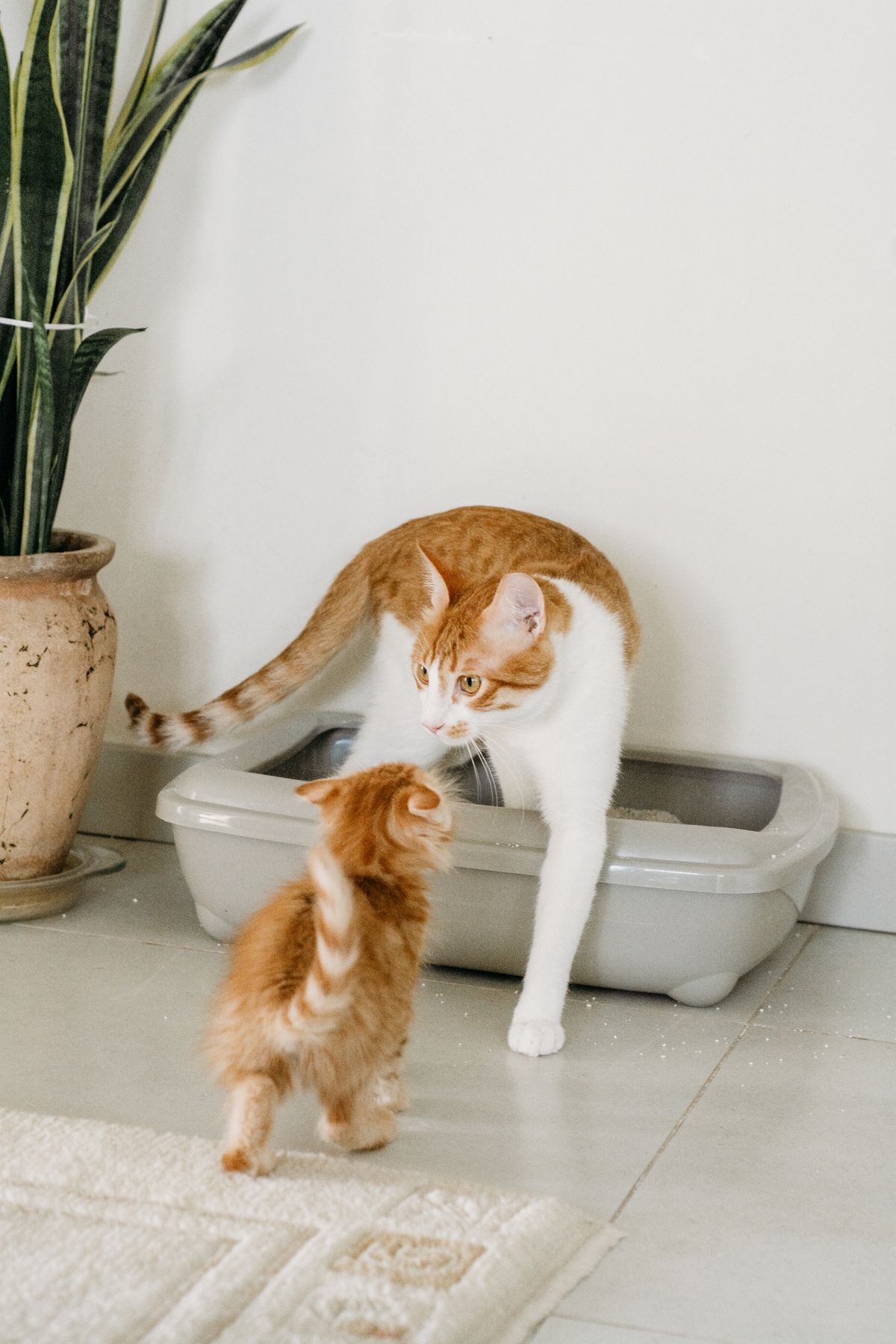
Traditional Litter vs. Alternative Litter Materials
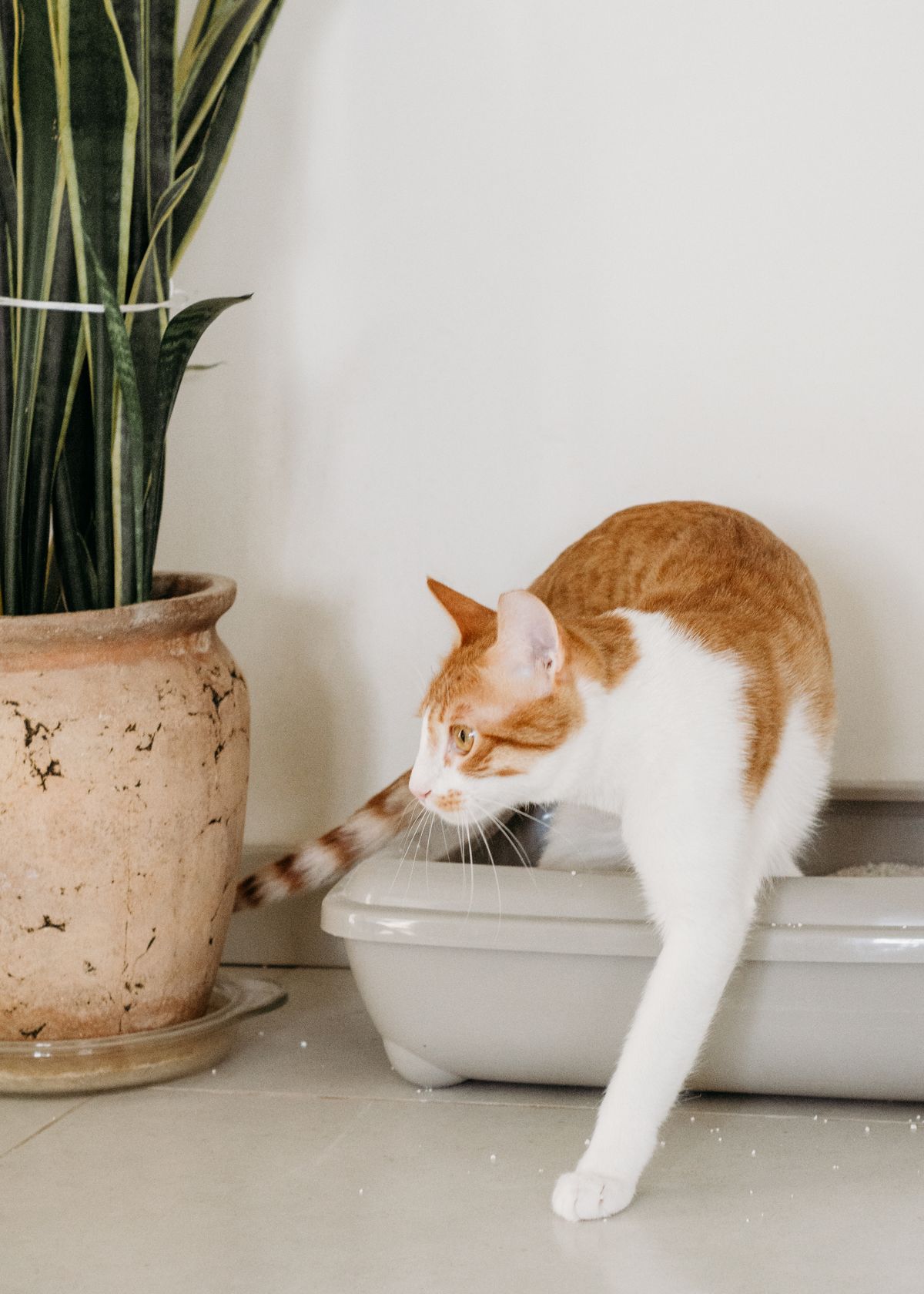
Traditional clumping clay litter dominates the market for genuine practical reasons — effective odor control, reliable clumping for easy waste removal, and widespread availability — but alternative materials offer specific advantages worth considering depending on your cat's needs and your own priorities.
Clay clumping litter's main drawbacks include dust generation, which can be a respiratory irritant for cats with any sensitivity (or for owners with respiratory sensitivities), and its non-biodegradable nature compared to plant-based alternatives, along with being a heavier material to transport and store.
Plant-based litters (made from materials like corn, wheat, pine, or recycled paper) generally offer lower dust, biodegradability, and often lighter weight, though clumping performance and odor control vary considerably by specific product and aren't always equivalent to traditional clay clumping performance.
Crystal/silica litter offers strong odor control through absorption rather than clumping, and lasts longer between full changes than clumping litter, though it doesn't provide the same visual/tactile clumping feedback for monitoring urine output that clumping litters offer, which matters for owners watching for urinary health changes.
Unscented options generally work better across the board than scented litters, since strong fragrances can be off-putting to a cat's sensitive sense of smell, sometimes contributing to litter box avoidance regardless of which base material is used.
Cats recovering from certain procedures, or with respiratory sensitivities, sometimes need to switch to a specific litter type temporarily or permanently on a vet's recommendation — post-surgical cats, for example, are sometimes advised to use a low-dust, non-clumping option temporarily to avoid particles sticking to a healing incision.
What to do: Choose unscented litter regardless of material type, consider a lower-dust alternative if your cat or household has any respiratory sensitivity, and follow any specific litter guidance from your vet related to a particular health situation.
For how litter box monitoring connects to broader health signals, here's more on that connection.
Still have questions?
Don't rely on Google if your pet is showing symptoms. Get a professional opinion in minutes.
Talk to a Vet Now