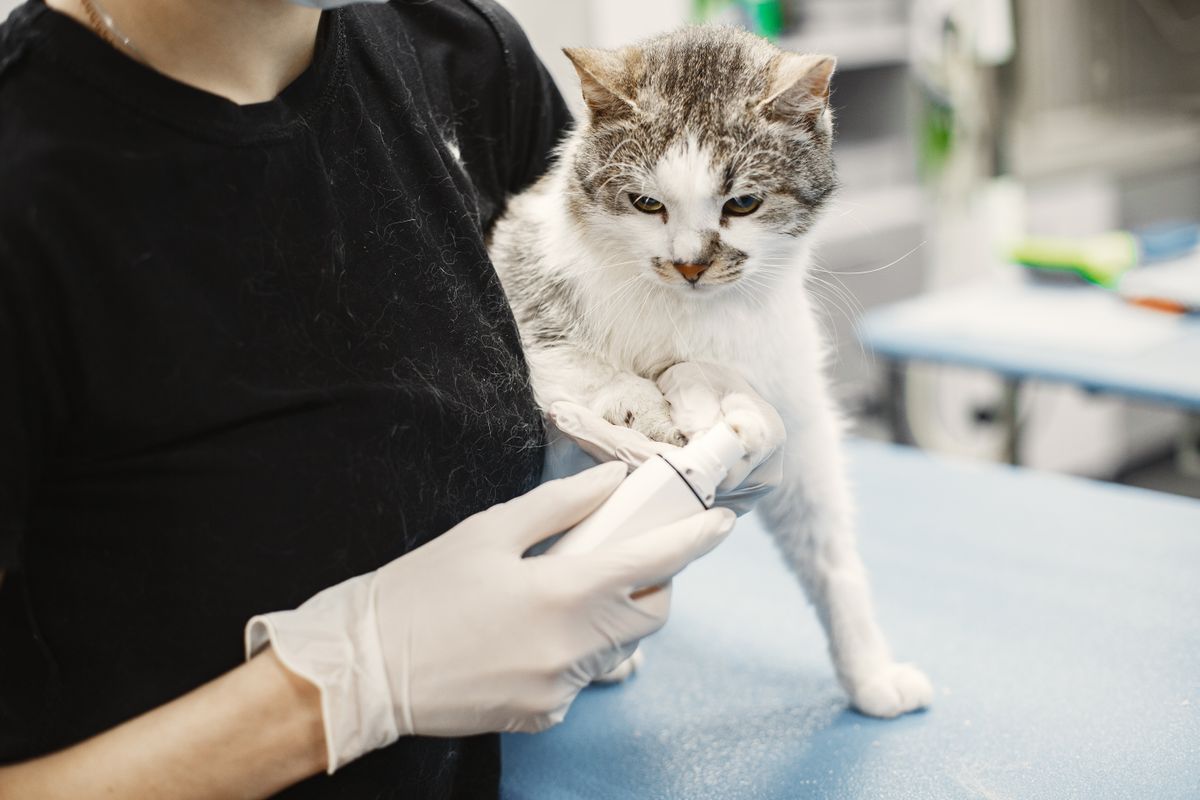
Vaccinating vs. Titer Testing: What's the Difference?
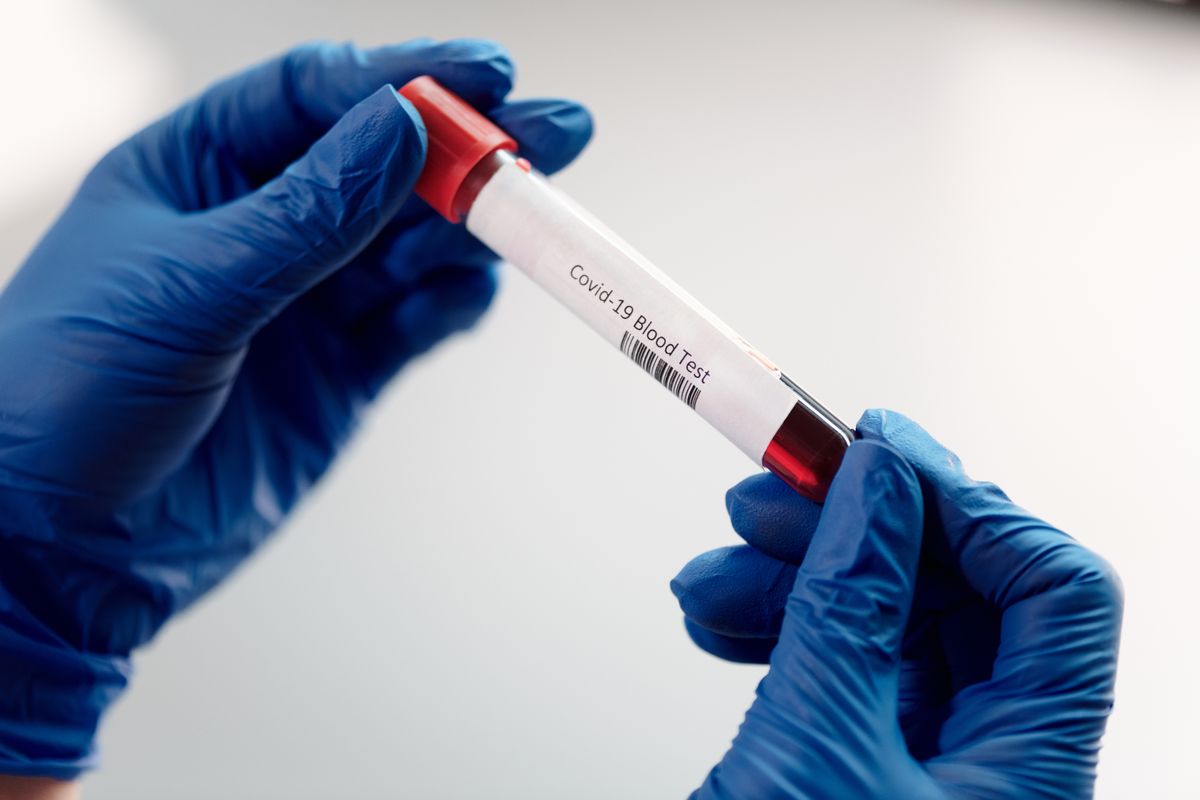
Titer testing measures the level of existing antibodies against a specific disease in your pet's bloodstream, offering an alternative approach to automatic scheduled revaccination for certain vaccines by checking whether adequate immunity already exists before deciding whether a booster is actually needed.
Titer testing is most commonly discussed for core vaccines like distemper and parvovirus in dogs, where research has shown immunity can last considerably longer than the traditional annual revaccination schedule for many pets, making a titer check a way to potentially avoid an unnecessary booster if adequate antibody levels are already present.
Rabies vaccination is generally not adjustable based on titer testing in most jurisdictions, since legal requirements for rabies vaccination typically specify vaccination on a defined schedule regardless of titer results — a high rabies titer doesn't exempt a pet from the legal vaccination requirement in most areas, making this a case where titer testing informs understanding but doesn't change the practical legal obligation.
Titer testing has its own cost, and depending on your vet and lab, this can be comparable to or sometimes more expensive than simply administering the vaccine itself, meaning it's not automatically a cost-saving alternative despite avoiding a potentially unnecessary vaccine.
A positive titer result confirms existing immunity, but a low or negative result doesn't necessarily mean the vaccine won't provide protection — interpretation of titer results and their practical implications is a genuine area of ongoing veterinary discussion, making this a conversation worth having directly with your vet rather than assuming titer testing gives a simple, unambiguous yes/no answer.
This approach is more relevant for adult pets with an established vaccination history than for puppies/kittens still building initial immunity, where the standard vaccination series remains the appropriate approach regardless of titer testing availability.
What to do: Discuss titer testing with your vet as a potential alternative to automatic revaccination for applicable core vaccines in adult pets, understanding it doesn't apply to legally required rabies vaccination and carries its own cost and interpretation nuances.
For the standard vaccination schedule this alternative approach relates to, here's the complete guide.
Still have questions?
Don't rely on Google if your pet is showing symptoms. Get a professional opinion in minutes.
Talk to a Vet Now