Virtual Vet Visits: How Pet Telemedicine Works
Prepared by the Waggle editorial team. This article is educational, not a diagnosis or an individual veterinary review.

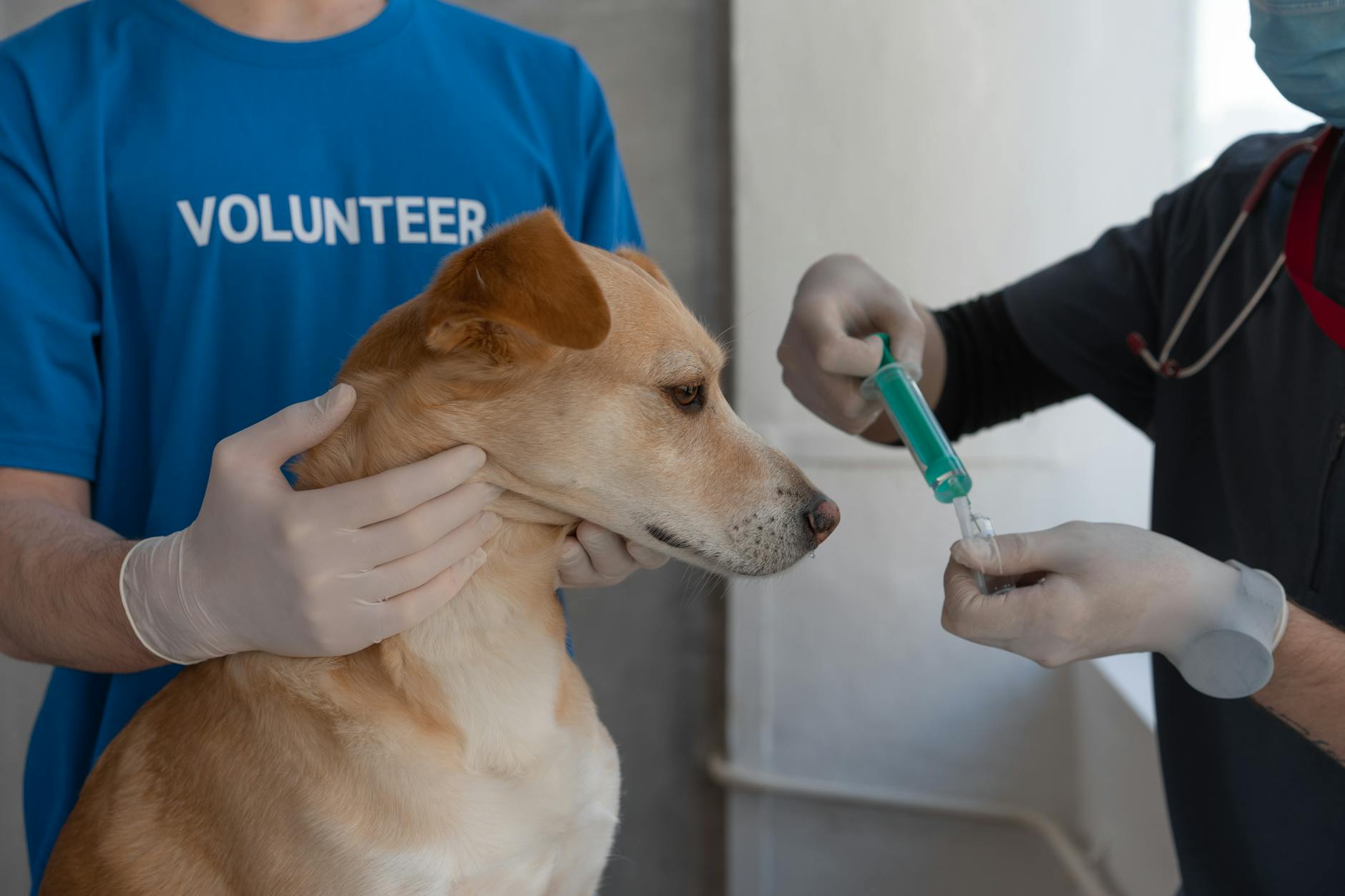
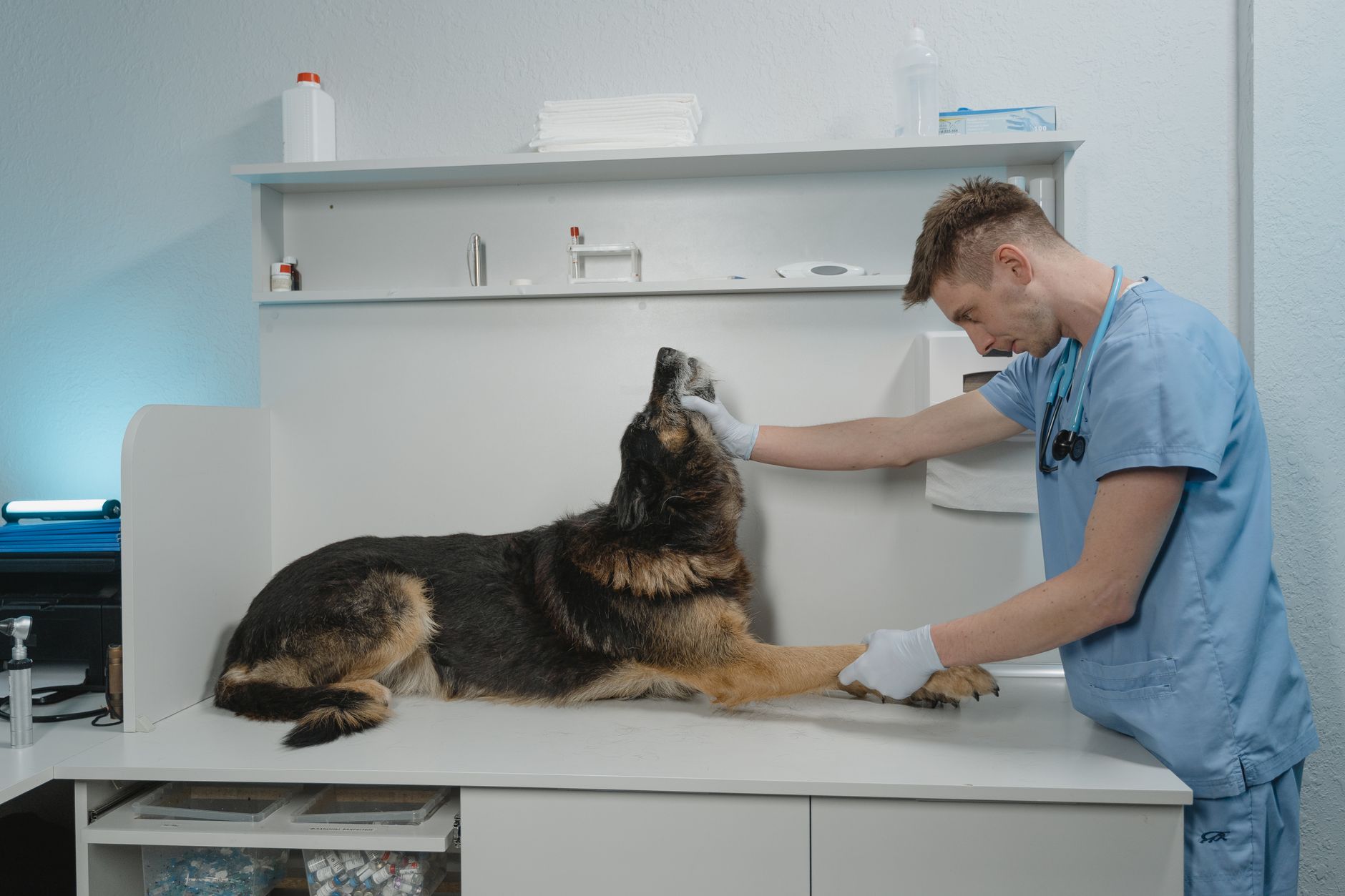
Photo by Helena Lopes on Pexels. Illustrative photo; not a patient or clinical diagnosis.
A virtual vet visit takes place over chat, phone or video. Pet telemedicine has grown quickly because it saves time and gives owners answers when they need them. Here is how it works behind the scenes.
Terms you will see
- Telehealth: the broad term for delivering veterinary advice and services remotely
- Telemedicine: remote care that may include diagnosing and treating, typically within a valid vet-client-patient relationship, and subject to state rules
- Teletriage: assessing how urgent a problem is and recommending next steps
Different services focus on different parts. Ask a provider what it offers.
What happens during a virtual vet visit
- Connect. You start a chat with a licensed vet
- Share information. You describe symptoms and send photos or video
- Questions. The vet asks about history, diet, behavior and what changed
- Assessment. The vet explains what could be going on, within the limits of a remote visit
- Plan. You get advice on home care, monitoring, medications where appropriate and whether an in-person visit is needed
- Summary. Notes are saved so you can refer back to them
Chat vs. video
- Chat: good for quick questions and for sending photos
- Video: helpful for movement, breathing, behavior and anything you want the vet to see live
- Phone: useful when you do not have a good connection
What technology you need
A smartphone, tablet or computer with a camera and a stable internet connection. Good lighting makes photos and video more useful.
What virtual visits can and cannot do
They can help with questions, triage, behavior, diet and many everyday concerns. They cannot replace the hands-on exam, tests and procedures that some problems require. For those, find a vet near me. For emergencies, go straight to a clinic.
Privacy and records
Choose a service that explains how it stores and protects your information. Visit summaries are saved in the Waggle Vet app. Do not assume hardware readings are automatically available to the vet; provide relevant details yourself.
Tips for a smoother visit
- Prepare a short timeline
- Get clear photos and video ahead of time
- Keep medication names handy
- Ask what to watch for and when to follow up
FAQs
Is a virtual vet visit as good as an in-person visit?
They serve different needs. Virtual visits are great for guidance and triage, and in-person visits are needed for exams and tests.
Can a virtual vet see exotic pets?
It depends on the service. Waggle Vet covers dogs and cats; confirm support for other species.
How long does a virtual visit take?
It varies, but you can often request a chat; response times depend on availability.
Check current Waggle Vet access and eligibility terms. Try a virtual vet visit.
Service limits and further guidance
Waggle Vet currently provides live chat guidance, not a promised live video or phone consultation. Access, response times and species support depend on current availability and eligibility. Do not assume medication can be prescribed: state licensure, a valid VCPR, veterinary judgment and federal requirements apply. An in-person examination may be needed.
AVMA: telehealth and the veterinarian-client-patient relationship
Sources checked October 14, 2026. These references do not constitute veterinary review or endorsement of this article.
Related reading
- Emergency Vet Near Me: What to Do When Your Local Clinic Is Closed
- Online Vet: How Virtual Vet Visits Work & When They're Right for Your Pet
- 24 Hour Vet: How to Reach a Licensed Vet Any Time, Day or Night
Waggle resources
Find nearby veterinary clinics; call to confirm availability
Still have questions?
For non-emergency questions, explore Waggle Vet. Trouble breathing, collapse, suspected poisoning or other severe signs need immediate in-person emergency care—do not wait for an online chat.
Explore Waggle Vet